FIFTY SHADES OF WHITE: Why I’m Breaking Up With Resale-Obsessed Design
Because “timeless neutrals” are just code for “I gave up.”
Resale-obsessed design — the epidemic of white, beige, greige and "stone" neutrals applied to every surface of every home — isn't safe design, it's design sedation. The myth that personality reduces resale value is largely unsupported; what actually reduces resale value is poor layout, bad lighting and cheap finishes. Choosing colour, texture and genuine character for your home doesn't make it harder to sell — it makes it memorable. Forgettable homes sell for forgettable prices. Homes with personality and quality sell to buyers who recognise both.
The Interior Design World Has a Problem
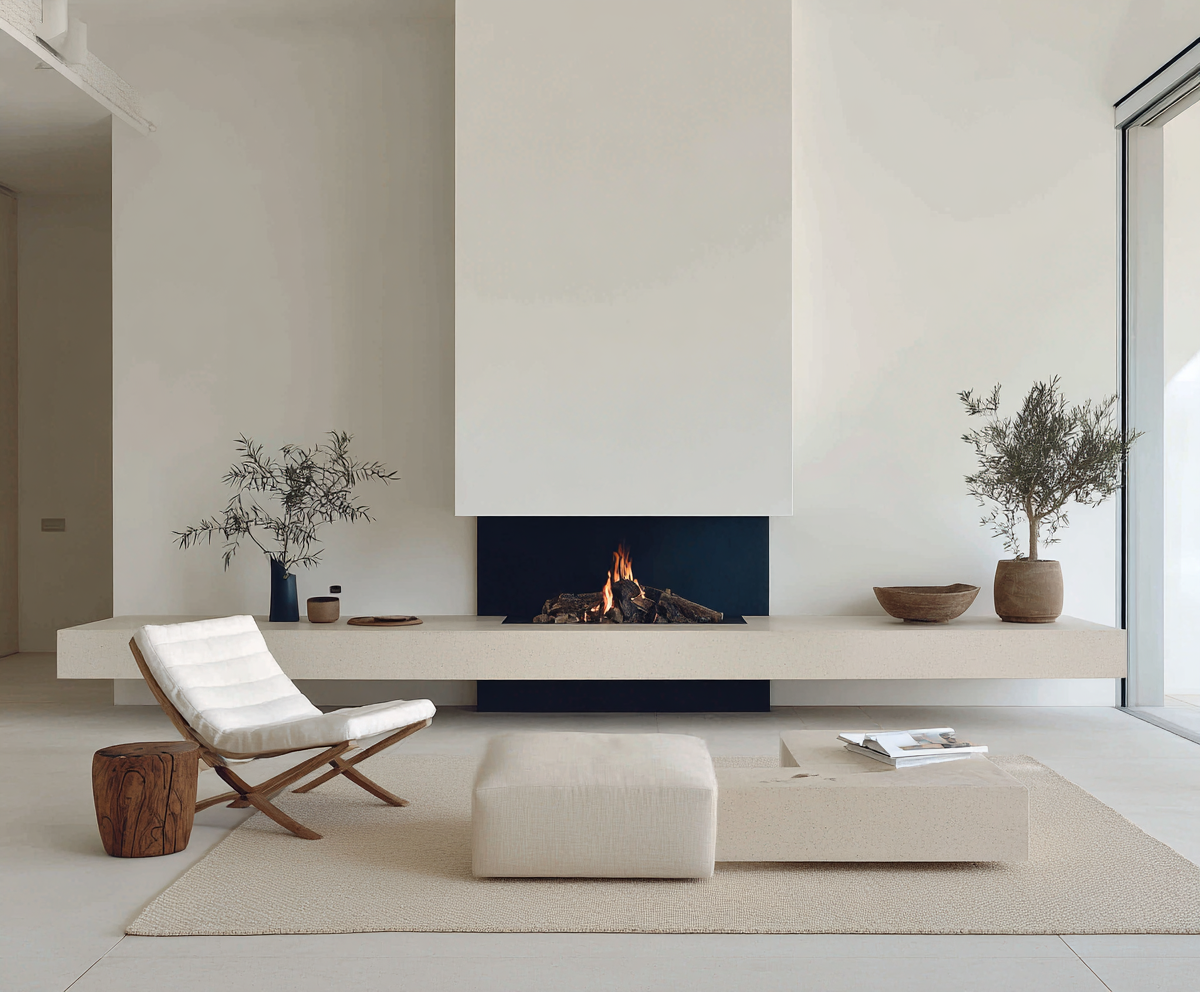
And no, it isn’t your unapologetically bold rug or slightly extra lamp. It’s the global epidemic of homes smothered in fifty near-identical shades of white, beige, greige and “stone” — all looking like undercooked porridge in different lighting.
This isn’t calm. It’s design sedation. Somewhere between “quiet luxury” and “minimalist chic”, a dangerous myth crept in: if your home has personality, you’re doing it wrong. Spoiler — that’s utter rubbish.


The Cult of the Colourless Home
We’ve been brainwashed into thinking “tasteful” means “invisible”. Homeowners scrub away colour, art, and drama, and end up with a perfectly symmetrical snooze-fest. It’s clean, sure — but it’s also soulless. Colourful home interiors should fill you with joy not walking on beige egg-shells because you might “sell the house sometime in the future”.
Kismet moment: The day you realise your “timeless neutral palette” isn’t timeless at all. It just looks like a rental no one bothered to style.

Why Stripping Personality Pleases Real Estate Agents (Not You)
Real estate agents worship blank, beige boxes because they photograph like a dream. The less personality, the fewer objections. That works for them. But it does nothing for your daily joy.
When you declutter your entire personality for “broad appeal”, you don’t sell a dream — you sell a checklist. Bedrooms? Tick. Stone benchtop? Tick. Soul? Missing in action.
Renovating For a Stranger You Haven’t Met
Here’s where it gets truly unhinged: people renovate for resale years before they plan to sell. They pick the safest white benchtop, the most neutral tile — then live inside that fear-based decision every day, for a decade.
Trends evolve, buyers change, and your "resale-friendly" neutral home decor could scream “last season” by the time you’re genuinely ready to move. In the meantime? You’ve lived in a space designed for a complete stranger who may never even show up. Renovate for yourself with an Adelaide interior designer who will support and guide your choices. Renovate for yourself and love where you live NOW!


Why Bland Doesn’t Actually Sell Better
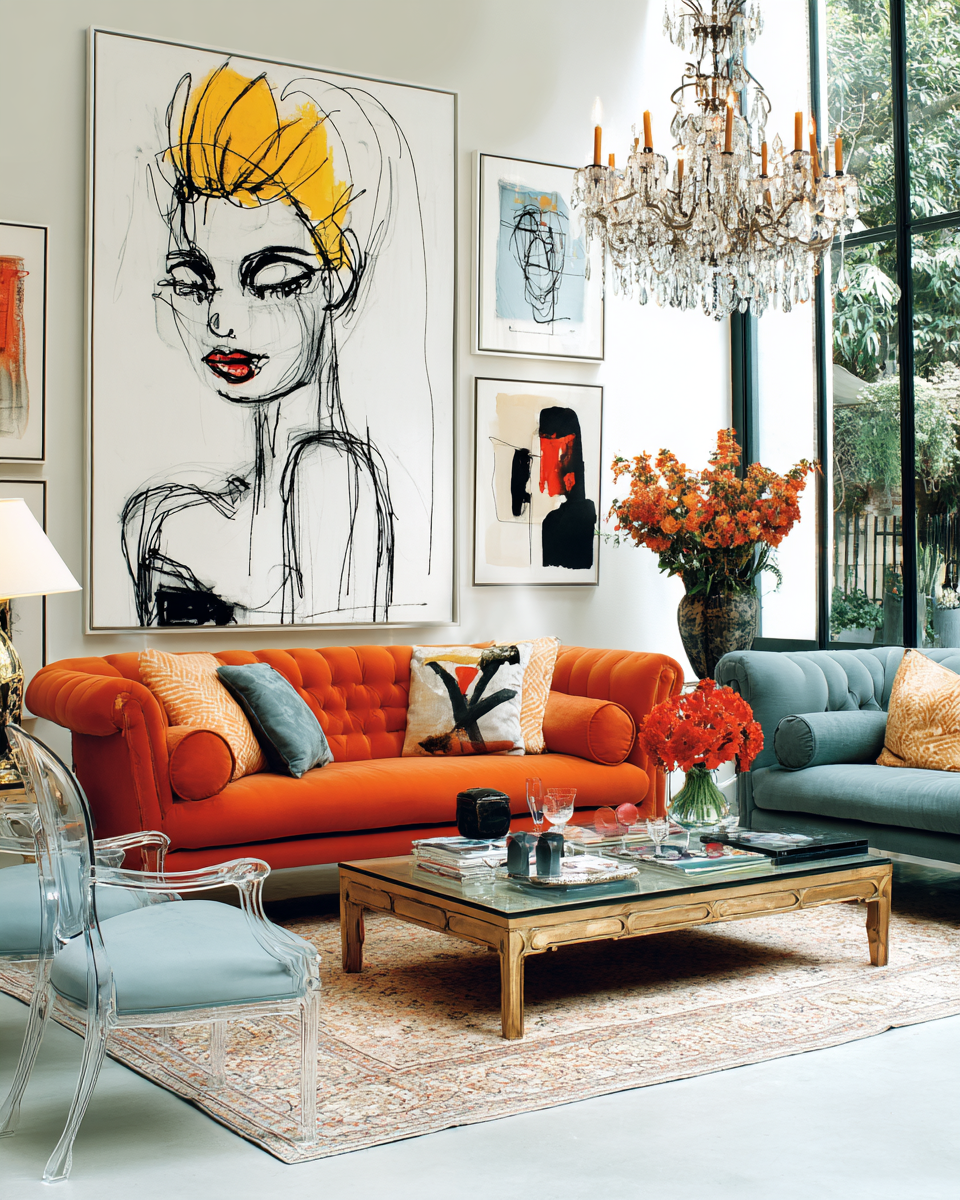
Let’s bust a myth: neutral doesn’t equal profitable. People fall in love with emotion — how sunlight plays across a moody wall, how an artwork tells a story, how layers of texture whisper “this is home.”
Safe design sells “fine.” Emotional design sells fast.
Because no one loses their mind over a house they’ll forget halfway down the street.
My No-Vanilla Stance (And Yes, It’s Personal)
Design should greet you like a fabulous host — not a GP receptionist with a clipboard. Your home should say, “Welcome to my deliciously intentional life,” not “We erased everything remotely exciting in case you might sell one day.”
Impossible Scenario: You walk into a space I’ve designed and say, “Nice, very safe.” If that happens? Check the address — you’re probably in a display village, not a Plush Design interior.
What To Do Instead of Playing Beige Tetris
If you’re not selling soon, decorate for the main character — you. Design for the life you live, not the hypothetical buyer you’ve invented. Sure, care about layout, quality materials and functionality — but infuse them with colour, art, and quirks that make your home yours.
Ask one question at every stage: Does this feel like me, or like an apology to an imaginary critic? If it’s the latter, it’s a flat “no.”

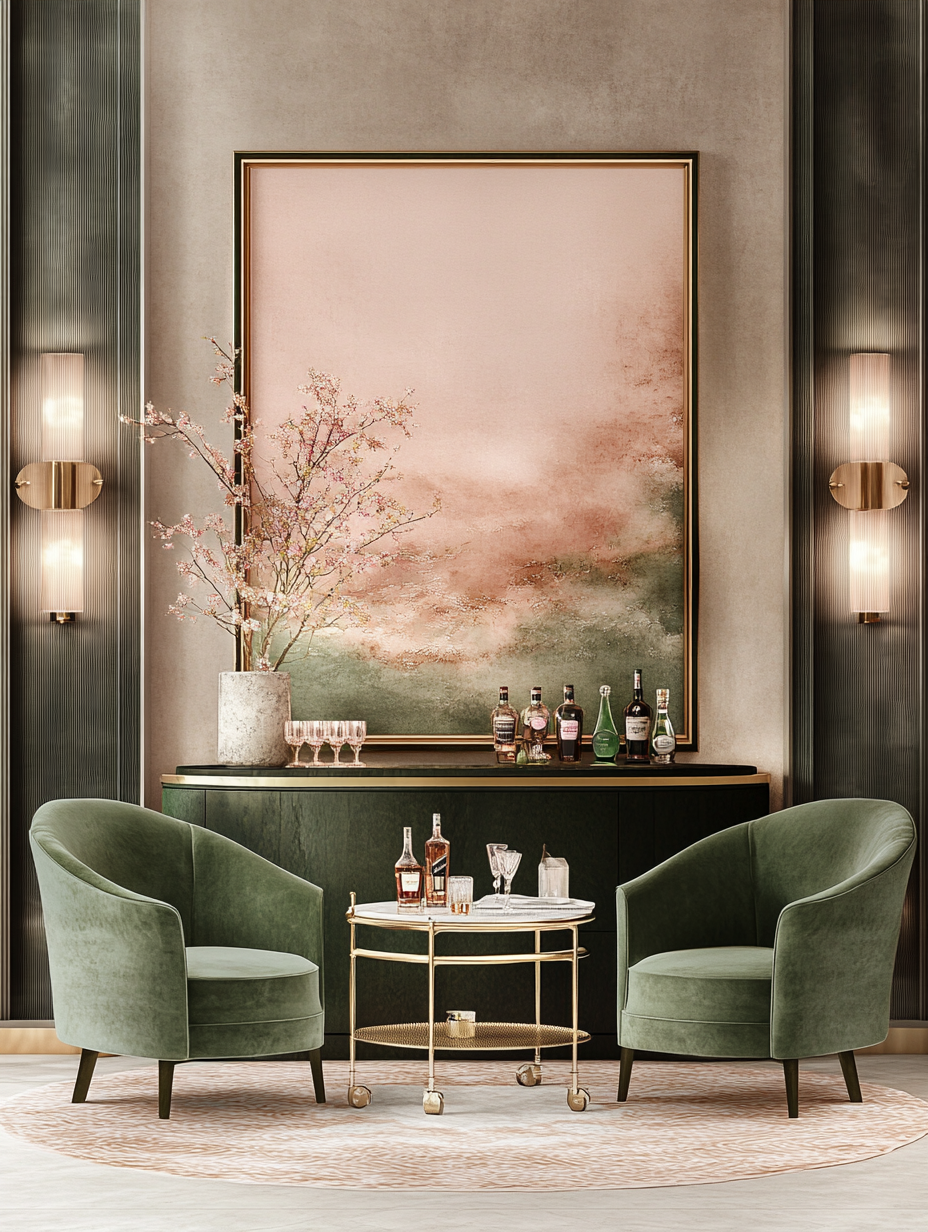
Your Official Permission to Misbehave
You don’t owe beige to anyone. You’re not required to neutralise your taste for mass appeal. Your job is to create a home with a pulse. Let real estate agents worry about selling it when the time comes — that’s literally their job.
So grab your metaphorical paintbrush, rebel against the beige industrial complex, and bring your home back to life.
Because your house isn’t a listing photo. It’s your stage — make it unforgettable.
If this hit you like a caffeine jolt, good. You deserve a home that hums with you.
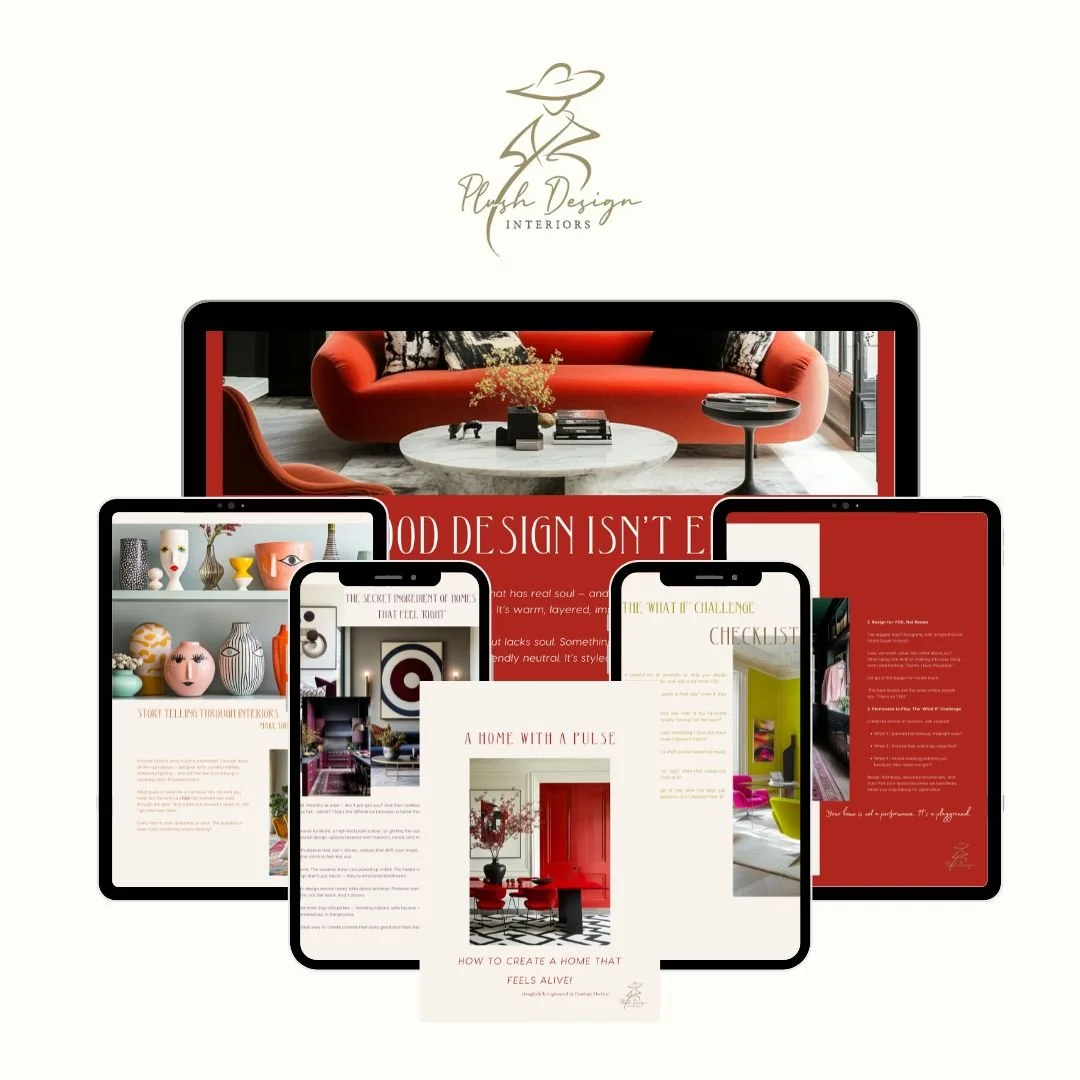
Download my e-book A Home With A Pulse — your guide to dragging your interiors out of beige purgatory and into bold, intentional design joy.
Book your Design Power Session — let’s turn your “almost there” space into a signature statement that buyers, guests, and you will fall in love with every day.
Love, Penelope xx Interior Designer + Anti-Blah Campaigner

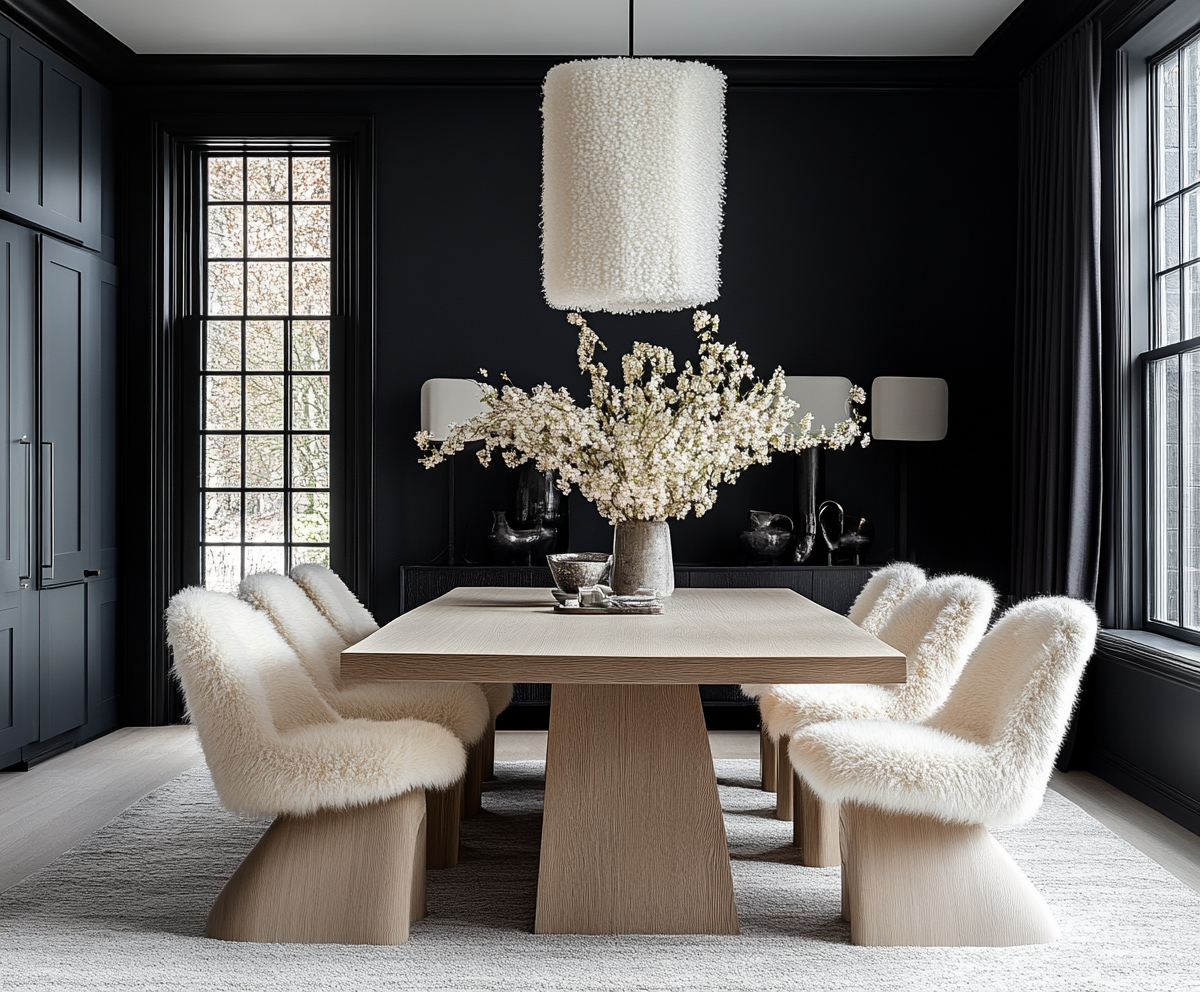
Plush Design Interiors uses AI‑generated imagery to help illustrate design concepts and possibilities in a fast, flexible and cost‑effective way. These images are inspirational visualisations only and may not represent final selections, exact colours, finishes or products available in Australia. All real‑world Plush Design Interiors work, including all design, specifications, selections and purchases, are curated by a human interior designer and are confirmed with clients using accurate samples, supplier information and detailed documentation before any work proceeds.
FAQs – “Fifty Shades of White”
1. Why are neutral colour palettes so popular in interior design?
Neutral colour palettes are popular because they feel safe, easy to coordinate, and are often marketed as “timeless” or “resale-friendly.” Many homeowners are told that white walls and beige furniture will appeal to the widest range of buyers and never date, so they lean into neutrals to avoid making a “mistake.”
In reality, an all-neutral home can quickly slide into flat and forgettable if it isn’t layered with texture, contrast, and personality. A more successful approach is to treat neutrals as a foundation, then build in colour, art, and character so the space feels considered and emotionally engaging rather than bland.
2. Does using bold colour in my home hurt resale value?
Bold colour does not automatically hurt resale value; poorly executed design does. When colour is used thoughtfully — with attention to proportion, light, and balance — it can actually help a home stand out in a crowded market and create a memorable emotional connection for buyers.
Most people don’t fall in love with a property because it looks like every other listing; they remember spaces that feel warm, inviting, and distinctive. If you are worried about resale, keep permanent elements (like flooring and major tiling) more restrained, and use paint, furniture, and styling for your bolder moves. Those layers are easier to adjust later if needed.
3. How do I add personality to a neutral home without making it look chaotic?
To add personality without chaos, focus on controlled contrast and repetition. Start with one or two key accent colours and repeat them in different elements — cushions, art, lamps, a rug, or a feature chair.
Layer in varied textures such as linen, velvet, timber, stone, and metal to create depth without relying on busy patterns everywhere. Keep your larger pieces more grounded, and use smaller items for playful moments, so the room still feels cohesive.
The goal is not maximum colour, but deliberate, lived-in character that feels curated rather than cluttered.
4. What does it mean to “renovate for yourself” instead of renovating for resale?
Renovating for yourself means prioritising how you live, feel, and function in the space right now rather than making every decision for a hypothetical future buyer. It involves choosing layouts, storage solutions, and aesthetics that support your daily routines and reflect your personality.
This could mean a moody dining room because you love evening dinners, a coloured kitchen island because it makes you happy, or bolder tiles in a powder room where you want drama. You can still keep an eye on long-term value, but you’re no longer sacrificing your present quality of life for an abstract idea of “broad appeal.”
5. How can I balance my personal style with future resale considerations?
A smart strategy is to separate your “bones” from your “jewellery.” Think of structural or high-cost items — like flooring, windows, permanent joinery, and bathroom fixtures — as the bones of your home. These can be more enduring and adaptable. Then treat paint, lighting, furniture, and decor as the jewellery where you fully express your style.
This approach lets you live in a home that feels uniquely yours now, while still giving you flexibility to dial things back or tweak details later if you decide to sell. Buyers often respond more positively to homes that feel intentional and well-designed than to spaces that were obviously designed by committee.
6. What is a “no-vanilla” design philosophy?
A “no-vanilla” design philosophy is a rejection of bland, one-size-fits-all interiors and a commitment to spaces that have character, pulse, and personality. It doesn’t mean every room must be loud or maximalist; instead, it means every room should feel specific to the people who live there.
This approach embraces colour, contrast, humour, and storytelling through interiors. It also challenges the idea that “quiet” or “neutral” is always better, encouraging homeowners to trust their preferences and create rooms that make them feel something, not just fit in with what everyone else is doing.
7. I’m scared of committing to colour. Where should I start?
If colour feels intimidating, start small and strategic. Choose one room where you feel comfortable experimenting — a powder room, guest bedroom, or office — and decide on a single mood you want the space to convey, such as calm, cosy, or dramatic.
From there, select one hero element (a wall colour, a rug, or a headboard) and build around it. You can also begin with deeper neutrals like charcoal, olive, or ink blue, which are more forgiving than very bright hues.
As your confidence grows, you can introduce bolder tones in artwork, textiles, or feature walls in more prominent areas of the home.
8. How can a design consultation or power session help me avoid bland design?
A focused design session helps you cut through confusion, second-guessing, and Pinterest overwhelm. Instead of defaulting to safe neutrals out of fear, you get a clear strategy for how to use colour, layout, furniture, and lighting to express your style while still making practical, long-term decisions.
A designer can quickly identify where your home feels flat, where it needs tension or contrast, and which investments will have the biggest impact. The result is a roadmap that gives you the confidence to move beyond “builder basic” and create a home that feels intentional, inviting, and unmistakably yours.
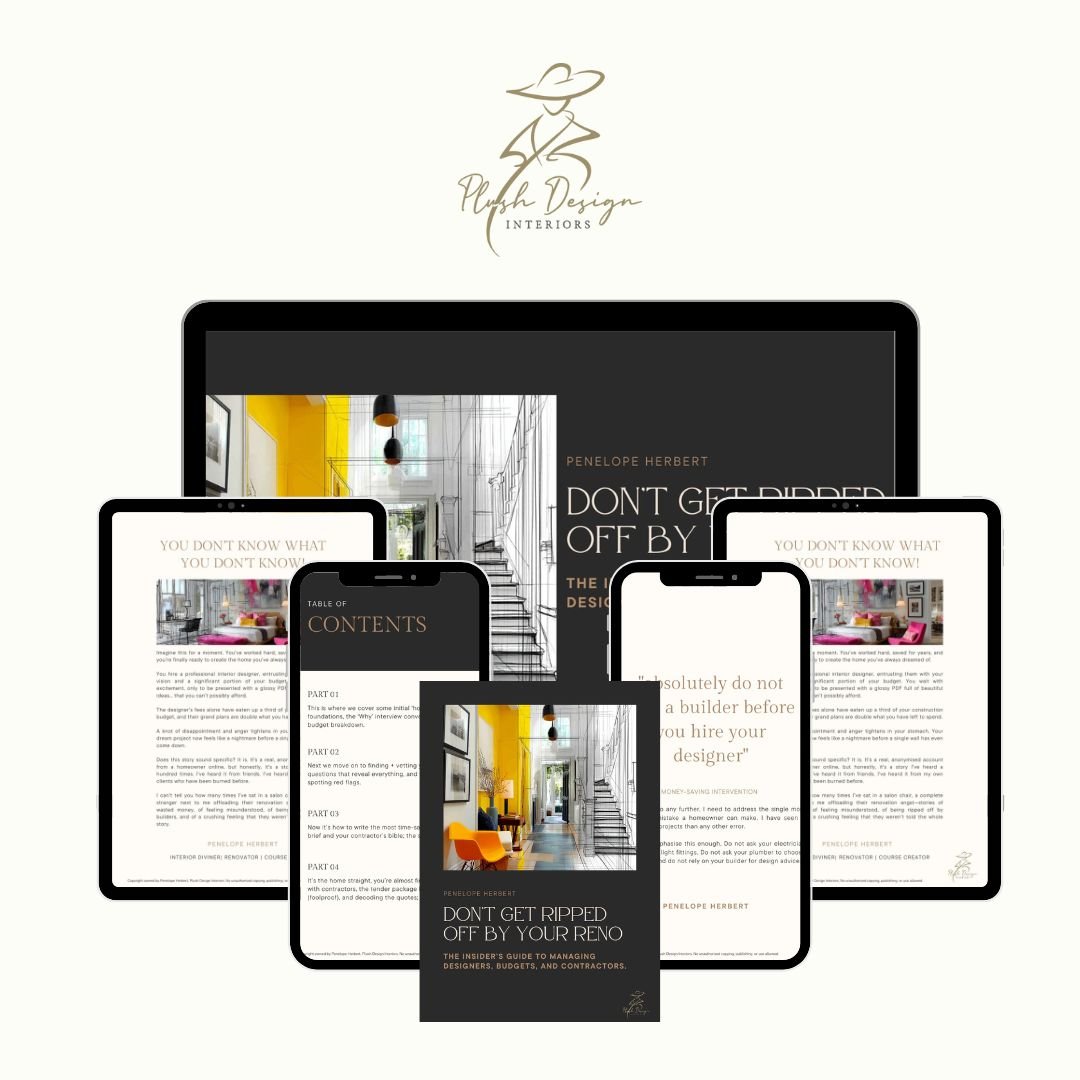
Interior Designer + Author of ‘Don’t Get Ripped Off By Your Reno’ and ‘A Home With A Pulse’. Both available on my e-book interior design and renovation resources page on my website.