Wood Veneer Without The 90’s Sauna Vibe: Bold Ways To Use Timber Indoors and Out
From ceilings and kitchen islands to cladding and wallcoverings, here’s how to use real and wood-look finishes without going beige or basic.
Wood veneer looks contemporary rather than dated when you follow three principles: choose species with interesting grain and natural variation (American oak, blackbutt, spotted gum) rather than generic pine or MDF-look laminates; use timber on unexpected surfaces like ceiling baffles, joinery fronts and wall panels rather than defaulting to floors alone; and contrast timber warmth against harder, cooler materials — stone, plaster, steel or glass — so the wood reads as a deliberate design choice rather than a builder's default. The 90s sauna look comes from timber everywhere with no contrast and no intention. Bold timber with restraint and contrast is timeless.
If you still think “timber feature” means one sad pine wall and a matching TV unit, I’m staging an intervention. Wood has grown up, put on its architectural blazer and is now wrapping ceilings, islands, facades and entire rooms in seriously good grain.
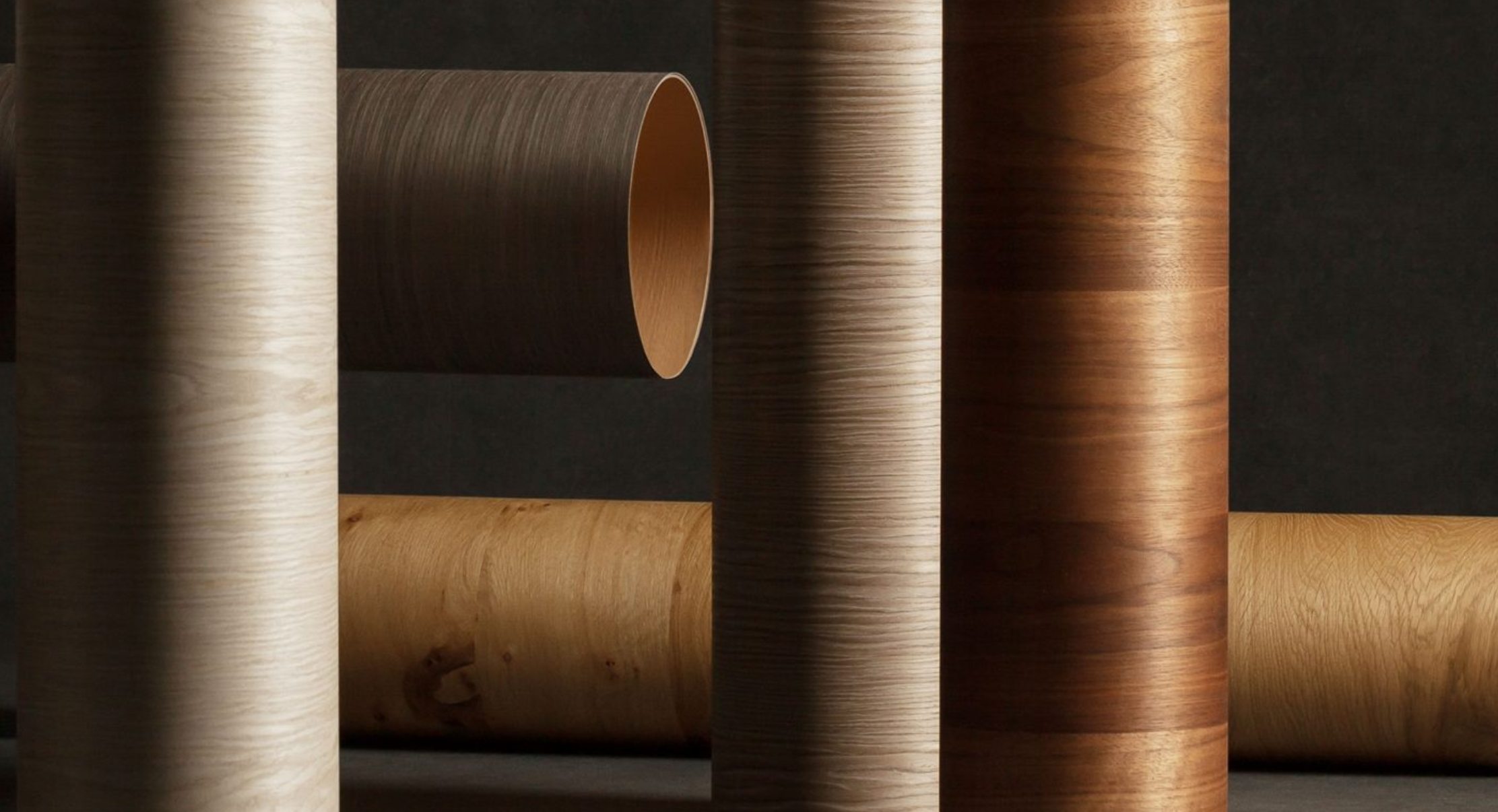
Eveener Woodwall - Group 1 Fire rated - available in Australia
This final chapter of your finishes series (Tiles, Wallpaper, Natural Stone, Metal) is all about using natural timber and high-quality wood-look veneers in bold, architectural ways across floors, walls, ceilings, and facades.
When you use real timber and high-quality wood-look the right way, your home stops whispering “display village” and starts announcing “designed, on purpose, by someone who knows what they’re doing” – ahem, that’s you now
Why Wood is Having a No-Vanilla Comeback
Wood is the finish that instantly adds warmth, depth and “I’ve thought this through” energy, but only if you treat it like couture, not a default laminate. High-quality veneers and engineered panels mean you can now wrap walls, ceilings and joinery in real timber without blowing the budget or the build program.
Timber brings biophilic calm, but strong grain, tone and profile choices keep it from feeling like a generic display home.
Modern systems let you use timber on facades, soffits and outdoor rooms as confidently as on interiors.
Did you know… the most sustainable move might be veneer, not solid – some engineered veneer systems get up to 300% more yield out of a single log while still reading as luxe timber.
Floors First: Grounding the Drama
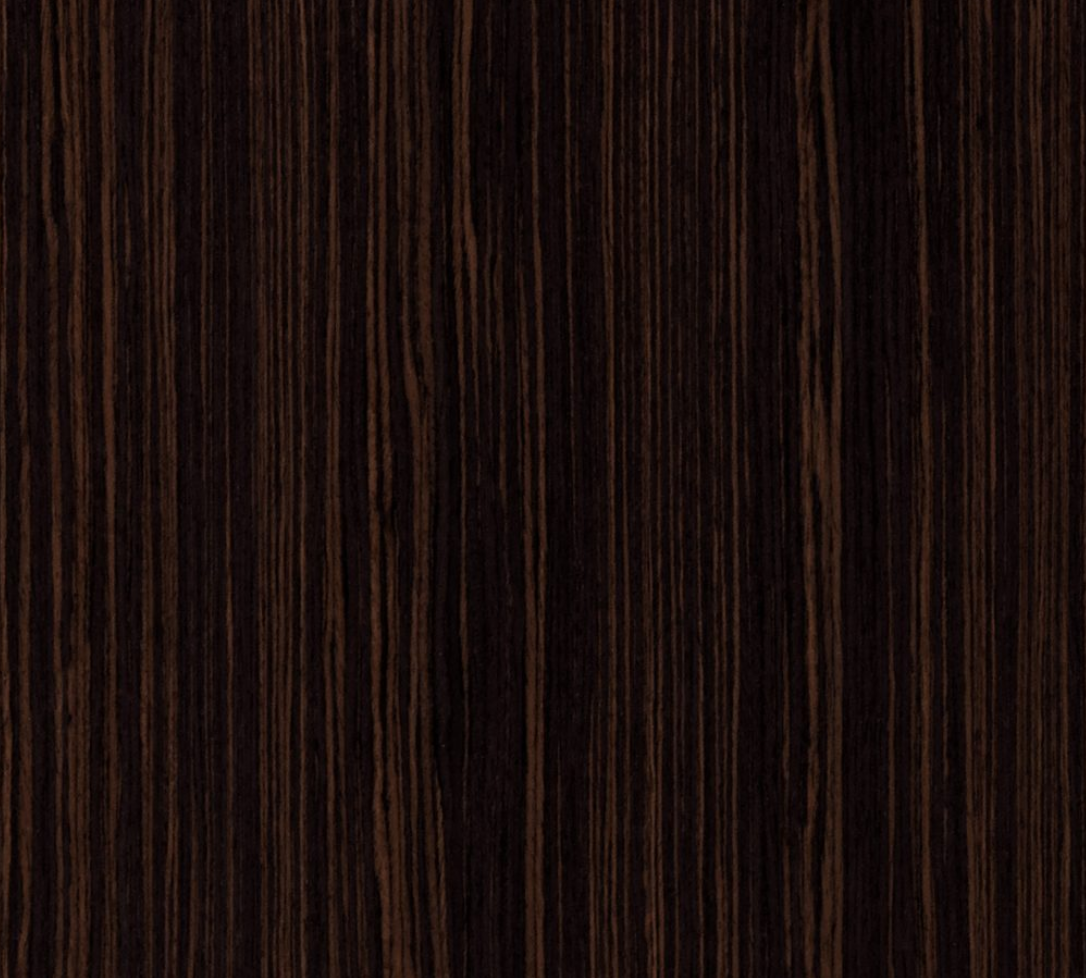
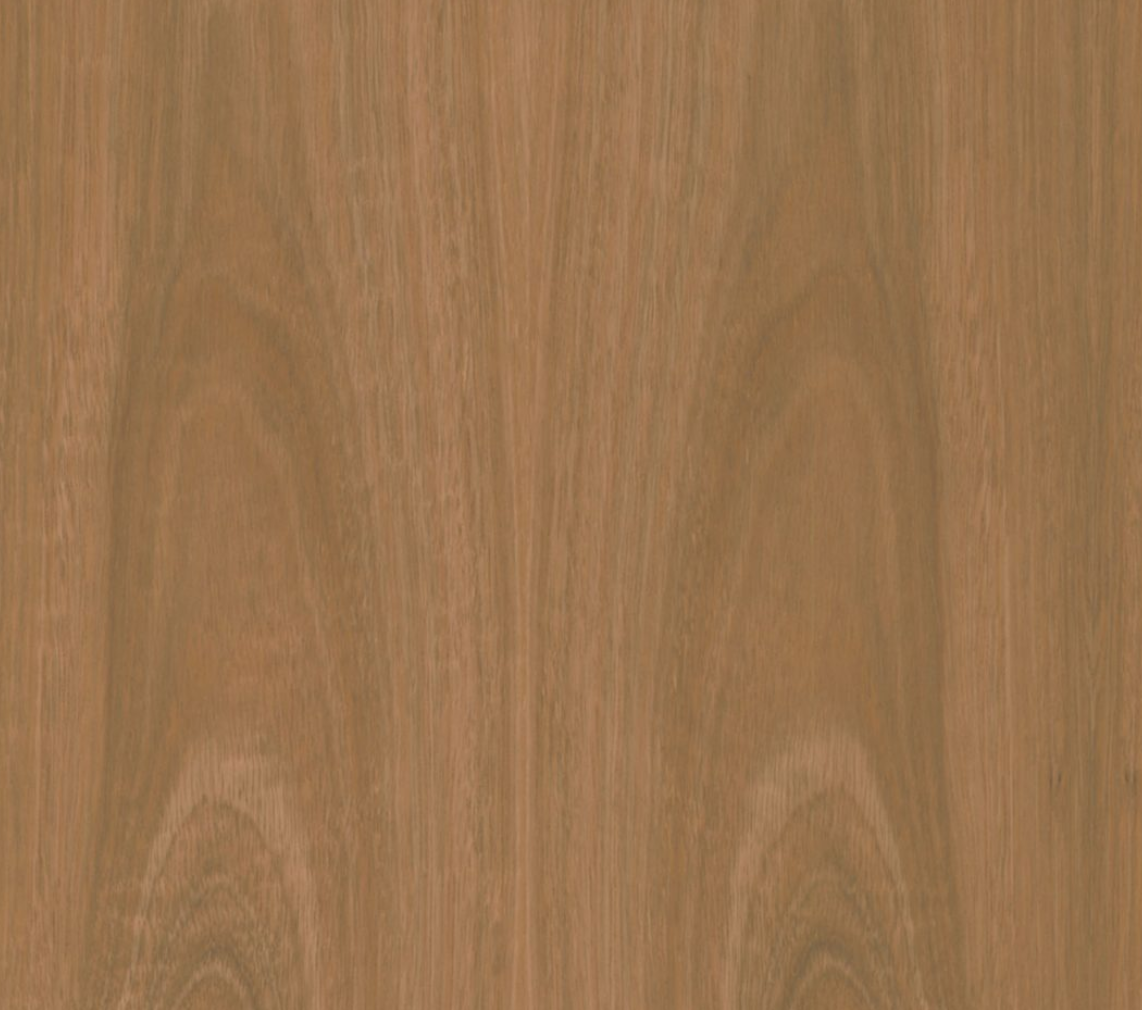
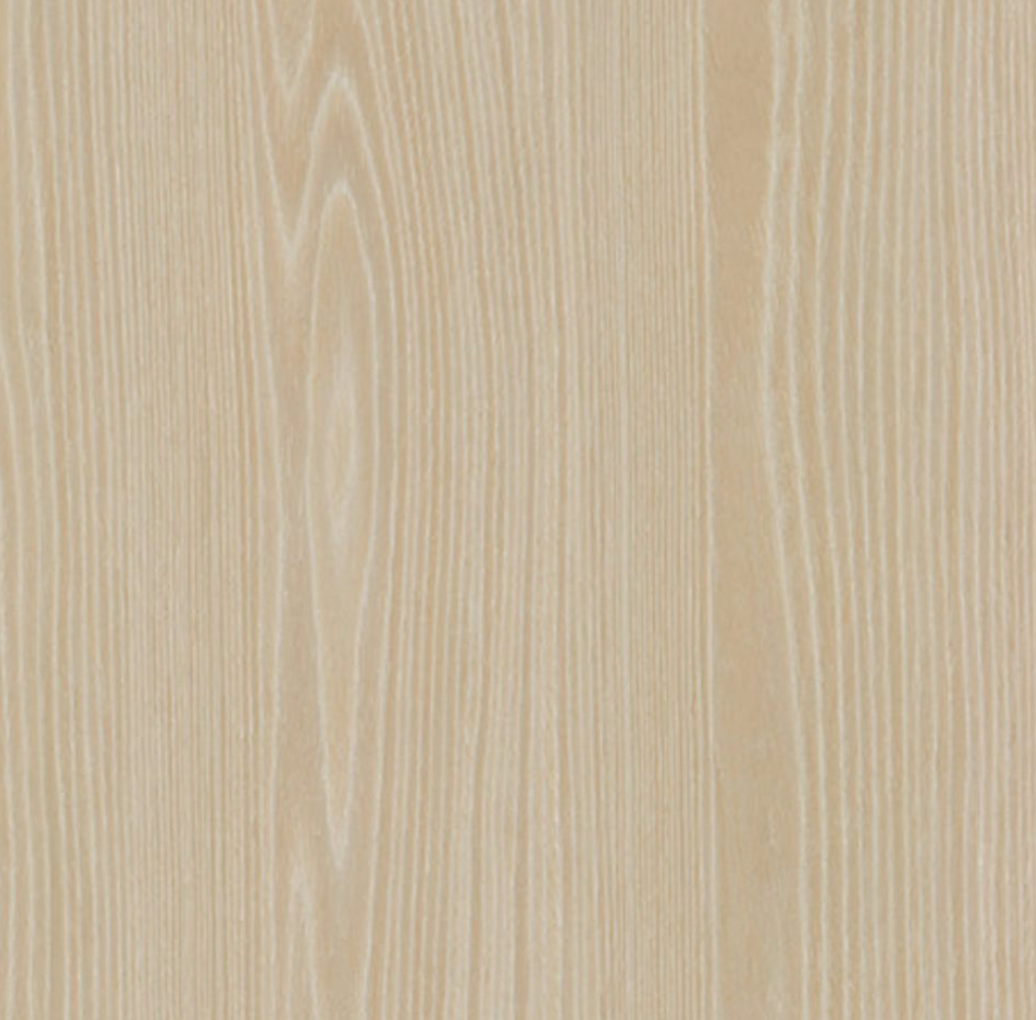
Floors are where you set the rhythm – everything else is choreography. Engineered boards and matched veneers let you echo a favourite timber species across the whole house.
Use a mid-tone oak or blackbutt floor, then repeat that species in stair treads, nib walls or custom joinery for a deliberate, layered look.
Pair timber floors with contrasting verticals – charred cladding, deep walnut battens, or pale veneer wall panels – to avoid the “log cabin” trap.
GASP! Don’t do this… imagine spending $800k on a renovation and the only “timber” anyone notices is the fake grain on your aluminium window frames. That is what happens when floors and walls never speak to each other.
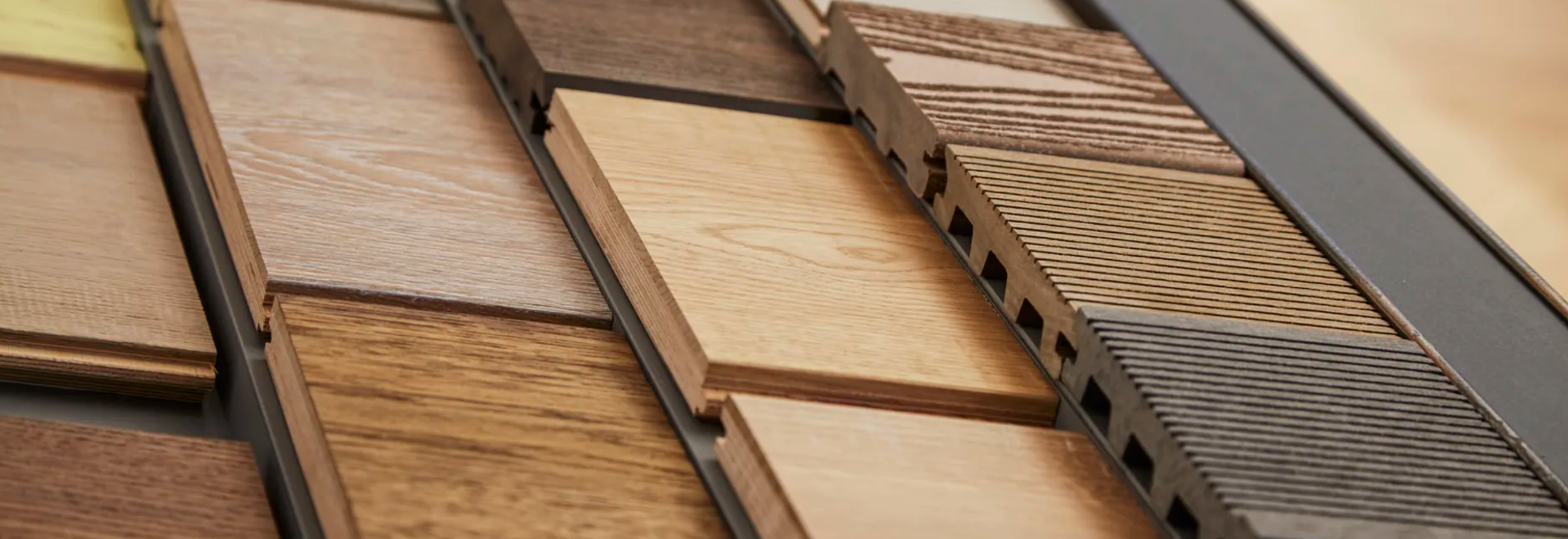
Havwoods has a wide range of flooring and cladding options
Walls, Panelling & Wood “Wallpaper”
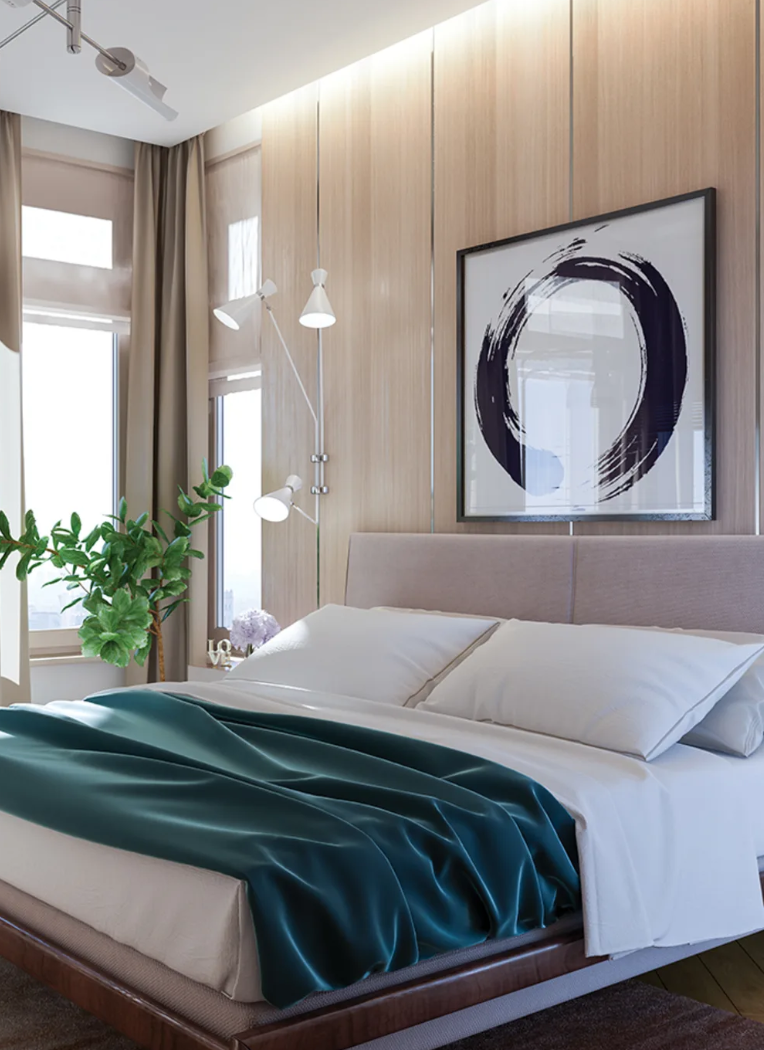
This is where wood stops being background and becomes your main character. Pre-finished veneer wallcoverings behave like wallpaper but read like bespoke joinery.
Elton Group’s Eveneer WoodWall is a real timber wallcovering that you install like wallpaper, including over curves and columns, in Group 1 fire-rated glory.
Think full-height panels in smoked eucalyptus, quartered oak or walnut, wrapped around a room rather than the sad “feature wall” behind the TV.
For an easy DIY hit, flexible slat panels with real oak veneer can bend around corners and even a 90-degree turn, perfect for wrapping island ends or curved nib walls.
Use them behind a bed, on a hallway wall, or to soften structural columns that currently scream “developer spec”.
Mix battens with smooth veneered panels so the play is about shadow and profile, not twelve competing stains.

Ceilings, Battens & The Fifth Wall
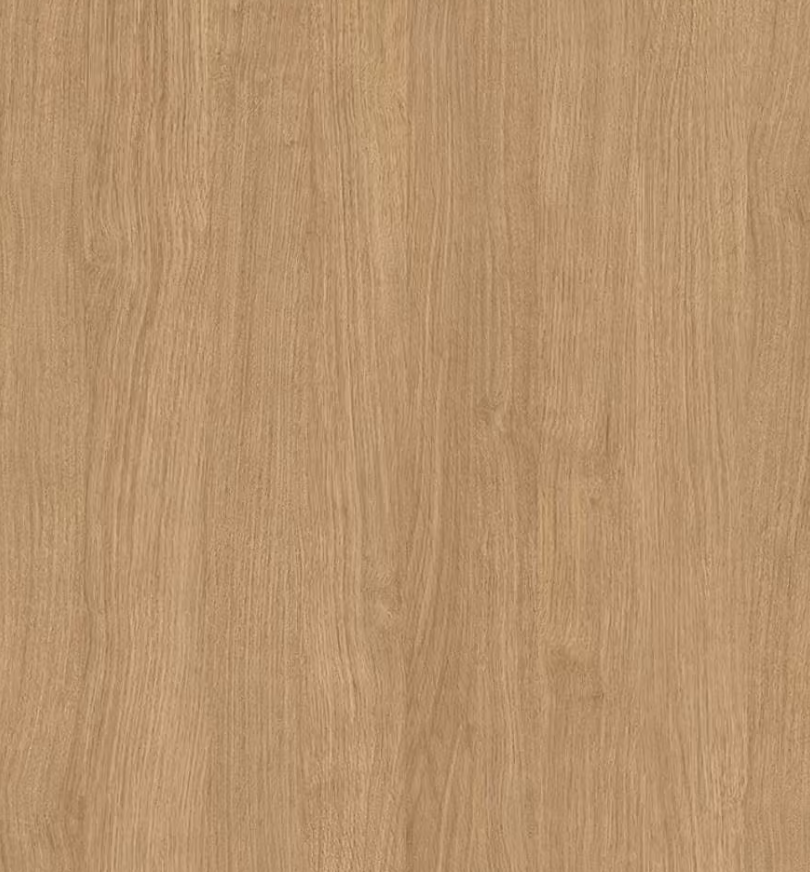
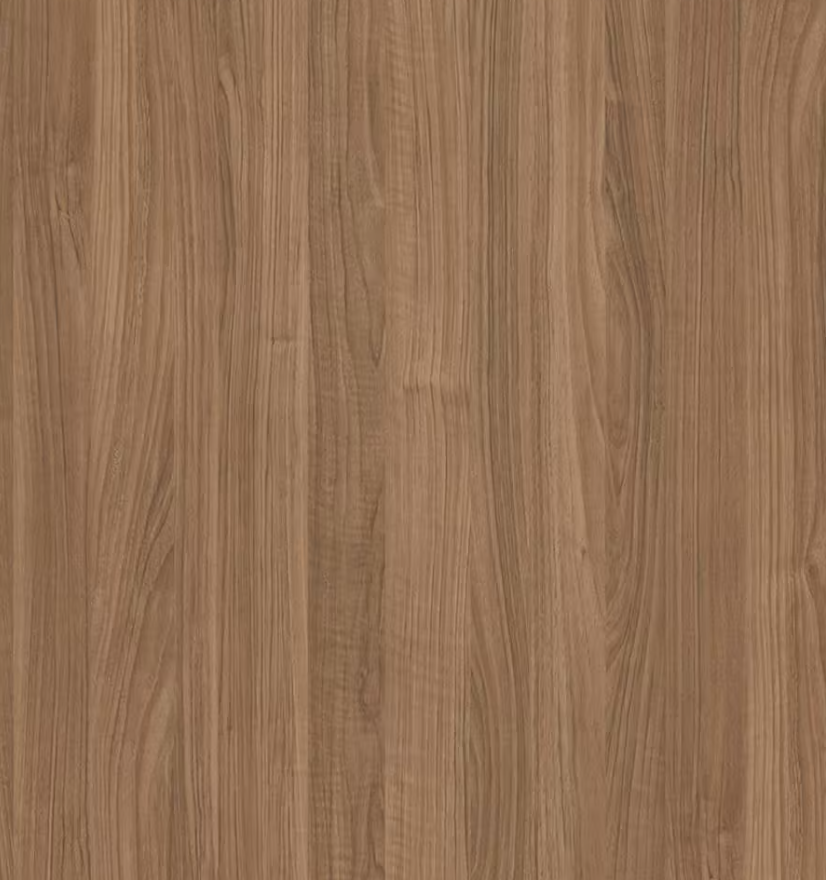
If your ceilings are still flat white plaster, that is not minimalism, that is missed opportunity. Timber ceilings and batten systems instantly shift a space into boutique-hotel mode.
Mortlock’s Proplank batten system is designed to click into straight or curved walls and ceilings, indoor or outdoor, so you can run battens from entry bulkhead through to alfresco in one continuous language.
Trendplank and Satinplank give you concealed-fix cladding for walls and ceilings, with profiles that feel intentional rather than “builder standard lining boards”.
Use battens to:
Visually lower a too-tall void and make it intimate instead of airport atrium.
Zone an open-plan living–dining space without a single nib wall.
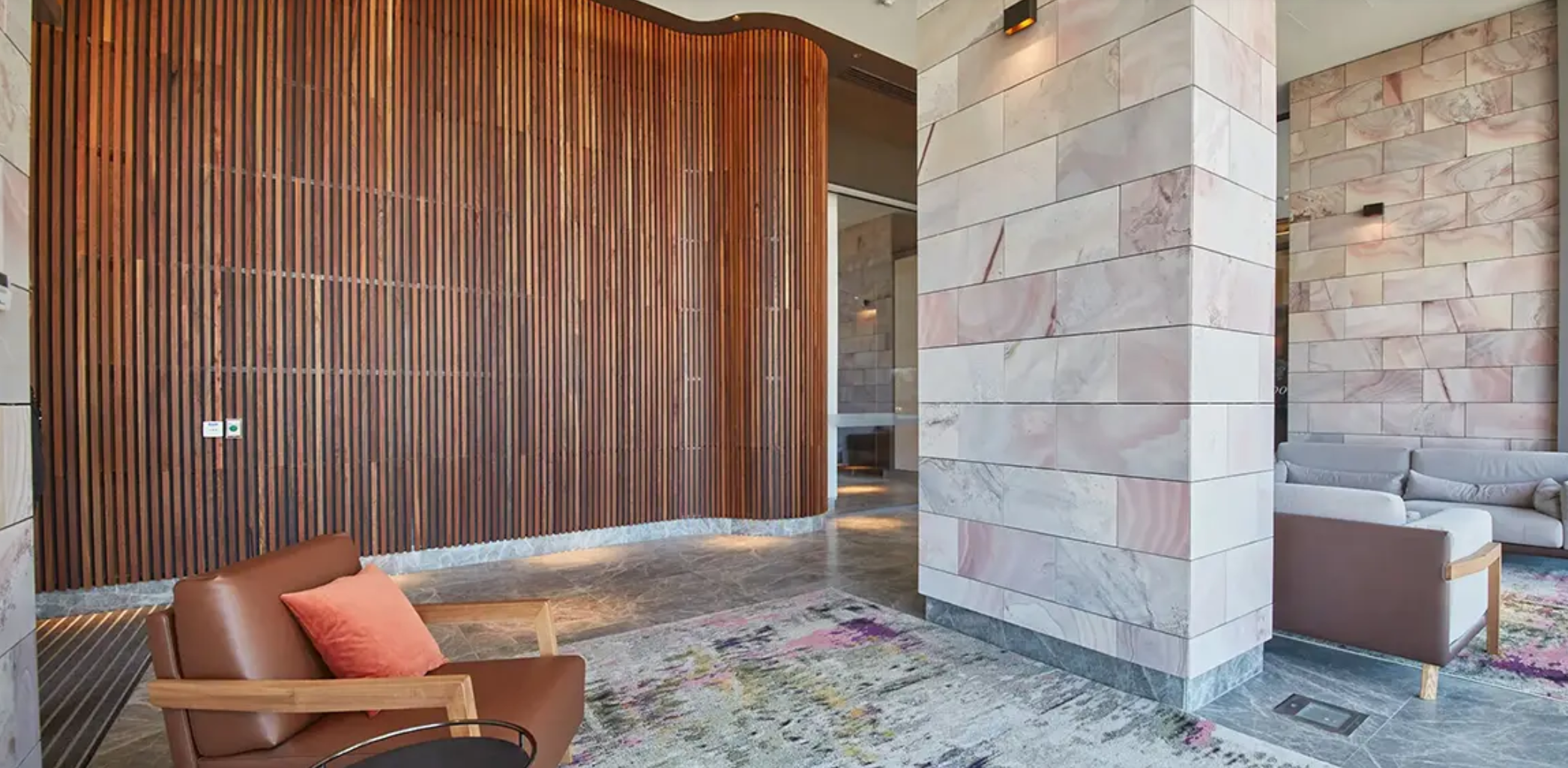
Curved wall in timber battens Proplank from Mortlock Timber
Kitchens, Islands & Joinery Skins
Your kitchen island is not a bench; it is a piece of furniture sitting in the middle of your living space. Treat it accordingly.
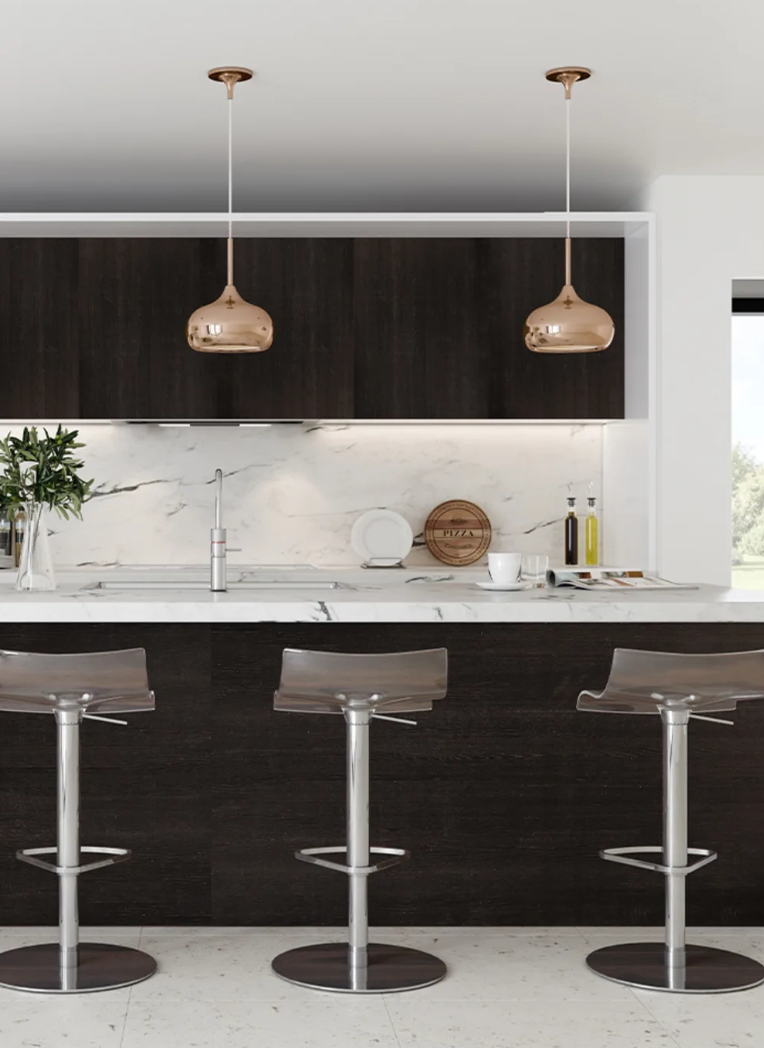
Wrap island fronts in vertical timber battens or sculptural profiles to hide bar stools and add texture without heavy colour.
Use pre-finished veneer panels (think Havwoods PurePanel or similar) that echo your flooring species for integrated joinery, doors and wall panelling.
For high-traffic zones, look for:
Pre-finished, low-sheen polyurethane veneers that arrive ready to install, saving finishing time on site.
Moisture-resistant cores and consistent grain runs so long banks of joinery feel calm, not patchwork.
Outdoor Drama: Cladding, Soffits & Decks
Australians love an alfresco, then finish it in grey tiles and one sad downlight. Exterior timber cladding is how you make an elevation – and your outdoor room – actually memorable.
Modinex and Mortlock both offer exterior timber cladding systems designed for full exposure, soffits, entries and covered walkways, with species like Western Red Cedar and Australian hardwoods.
Charred timber options such as Shou Sugi Ban create a deep, carbon-black facade or soffit that pairs beautifully with natural stone and glass.
Look for:
Fire-rating and compliance information, particularly for upper-level cladding and boundary walls.
Factory-applied coatings or weathering systems (such as silvery-grey patinas) so your facade ages gracefully rather than patchy.
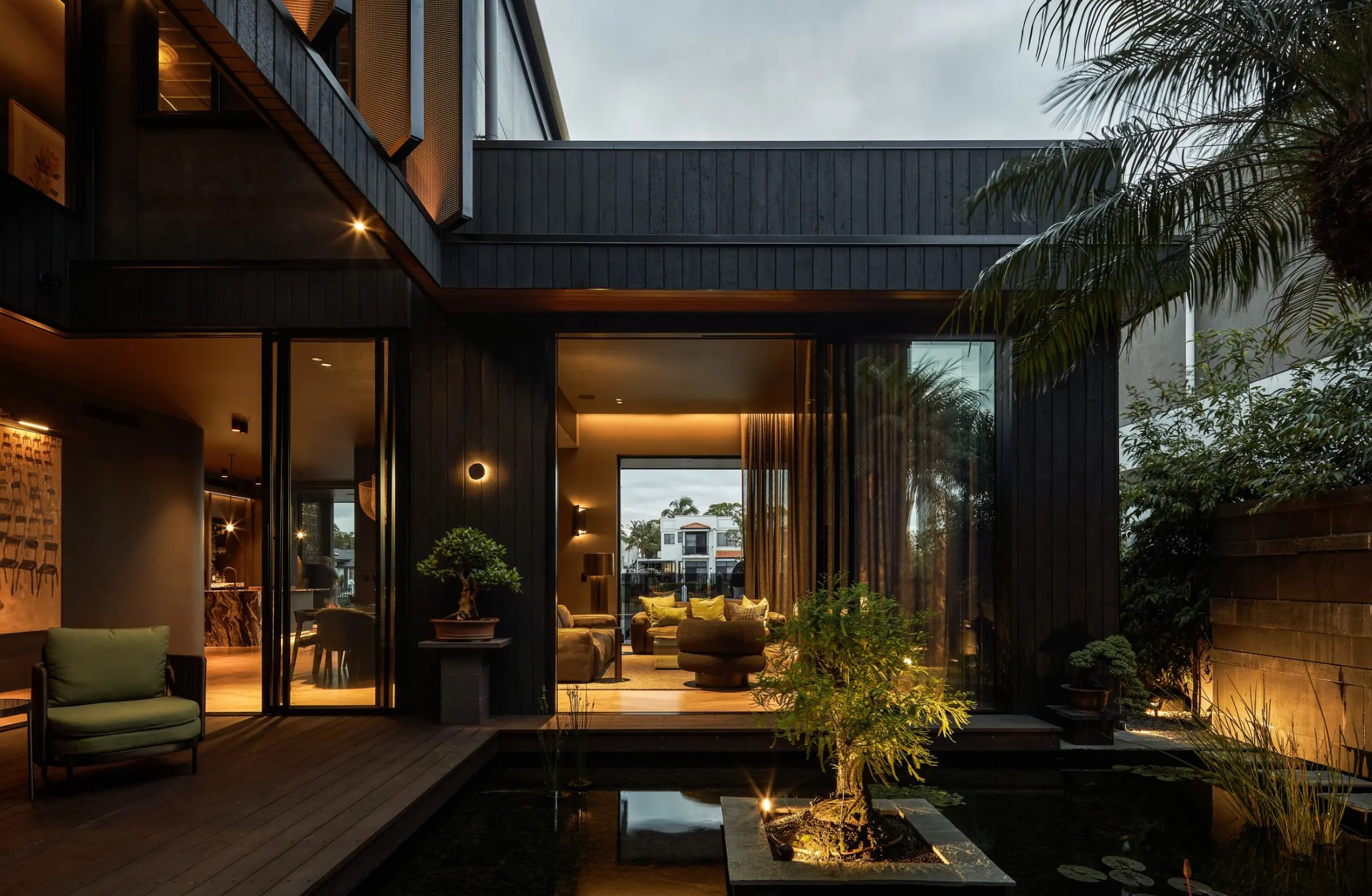
Shou Sugi Ban from Mortlock Timber
Wood Pulp Wallcoverings & Faux With Standards
There is a huge difference between cheap faux-timber film and considered, high-performance wood-look finishes for wood veneer interiors and timber feature wall ideas. As an Adelaide interior designer, we love to specify beautiful products including Eveneer WoodWall, Mortlock timber walls, and Modinex exterior cladding.
Architectural wallcoverings and laminates from commercial suppliers like Baresque offer durable, wood-inspired patterns and real wood wallcovering for areas where real timber is impractical but you still want that warm, textural read.
Aluminium cladding with timber-look finishes can deliver the illusion of wood with minimal maintenance on harsh, sun-battered facades.
The rule: if it is faux, it must either be incredibly convincing up close or clearly, deliberately graphic – never “almost real”.
If you’ve made it this far, you’re officially not the “timber-look vinyl and hope for the best” type – and I adore that for you. Now it’s time to get specific: which wall, ceiling, island or facade is going to wear the wood first?
Screenshot your favourite ideas from this post, stalk the suppliers I’ve linked, then design one unapologetically bold timber moment in your home. When you’re ready to go from mood board to actual build, book a design power session with me via Plush Design Interiors and let’s make sure your timber choices look high-end, not hardware aisle.
Love, Penelope xx - Interior Architect and Interior Designer Adelaide Hills
Interior Designer + Author of ‘Don’t Get Ripped Off By Your Reno’ and ‘A Home With A Pulse’. Both available on my e-book interior design and renovation resources page on my website.

Plush Design Interiors uses AI‑generated imagery to help illustrate design concepts and possibilities in a fast, flexible and cost‑effective way. These images are inspirational visualisations only and may not represent final selections, exact colours, finishes or products available in Australia. All real‑world Plush Design Interiors work, including all design, specifications, selections and purchases, are curated by a human interior designer and are confirmed with clients using accurate samples, supplier information and detailed documentation before any work proceeds.
FAQs for Wood Veneer and Real Wood Surfaces
Is wood veneer durable enough for busy family homes?
Yes, high-quality veneers on stable substrates are designed for impact and movement, especially when pre-finished with commercial-grade coatings.
Can I use timber on bathroom walls or ceilings?
Yes, but choose species and systems suited to humidity, ensure proper ventilation, and follow supplier guidelines on sealers and maintenance.
What is the difference between solid timber and veneer?
Solid timber is one species through the thickness; veneer is a thin slice of real timber on a stable core, offering the same visual warmth with far better yield and stability.
Can timber cladding be used on exterior facades in Australia?
Yes, exterior-rated systems from suppliers like Modinex and Mortlock are engineered for Australian conditions, with species, coatings and fixings designed for weather and UV exposure.
Are timber-look products worth considering or should I only use real wood?
Timber-look products are ideal where maintenance, fire rating or budget rule out real wood, but they must be high quality and used deliberately, not as a cheap imitation.
How do I stop wood-heavy interiors feeling dark or dated?
Balance richer timbers with light walls, stone and textiles, vary the profiles (battens vs flat panels), and keep the palette edited rather than mixing too many stains and grains.