
Why Design Comes Before Build
Why Design Comes Before Build (And Why Skipping It Will Cost You More Than Your Marble Benchtop)
The unapologetic truth about renovation planning, builder quotes, and why “we’ll figure it out on site” is a financial horror story
Design must come before build because builders price what they're given — not what you meant. Without resolved floor plans, joinery drawings, lighting layouts and a finishes schedule, builders fill the gaps with assumptions, allowances and "we'll confirm later" — which translates directly into variations, budget blowouts and on-site decisions made under pressure. Good design documentation eliminates guesswork, enables accurate quotes, reduces costly changes mid-construction, and is the single most effective way to protect your renovation budget before anyone picks up a hammer.
The Day Reddit Tried to Cancel Interior Designers
I was deep in a scroll spiral on Reddit when I saw it:
“Don’t hire an interior designer. Hire a designer.”
Darling… what do you think I’ve been doing all this time? Practising interpretive dance with scatter cushions?
Now, I’ll be generous. Maybe they meant “decorator.” Maybe. But what they said is exactly how homeowners end up skipping the most critical stage of a renovation: Design!
And that, my love, is where things go from dream home to “why is my oven opening into a walkway?”

Yes, we use Ai and other tools, like AutoCad, to quickly show clients a design direction or idea. It doesn’t replace our design expertise or complete documentation… just so you know.
What Happens When You Hire A Builder FIRST?
You hire a builder first.
They ask for plans. You don’t have them.
So you describe your vision using phrases like:
“open but cosy”
“modern but timeless”
“like that thing I saw on Instagram”
The builder does their best. Truly.
But they are now designing your home in real time… while also trying to build it.
Cue:
Budget blowouts
Endless variations
Decisions made under pressure
A finished home that feels… almost right
That’s not a renovation. That’s a very expensive guessing game.
The Plot Twist …
Here’s the twist most people don’t see coming:
Design is not a luxury layer—it’s the control centre of your entire renovation.
Skip it, and everything else becomes reactive.
Do it properly, and everything else becomes efficient, intentional, and—dare I say—pleasurable.
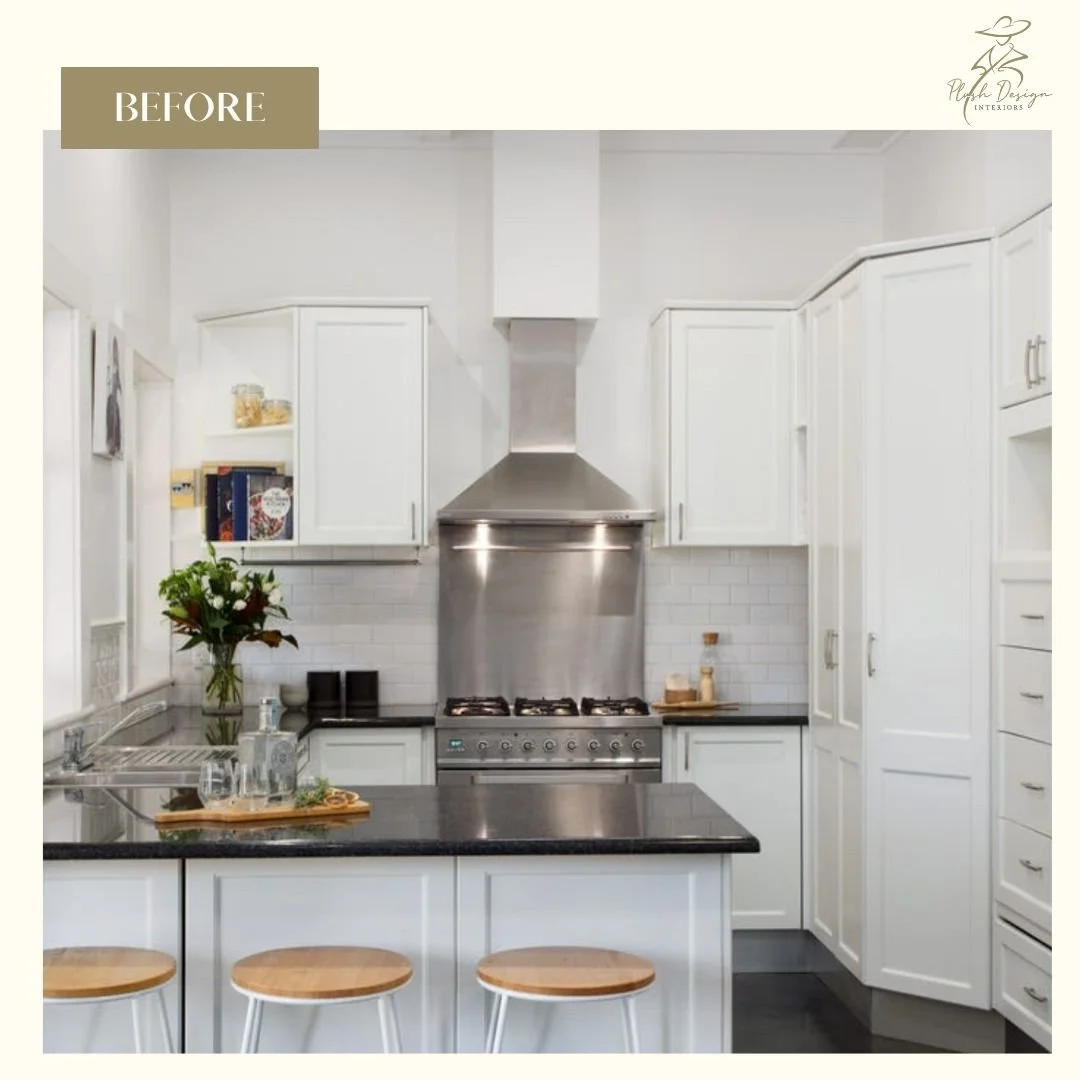
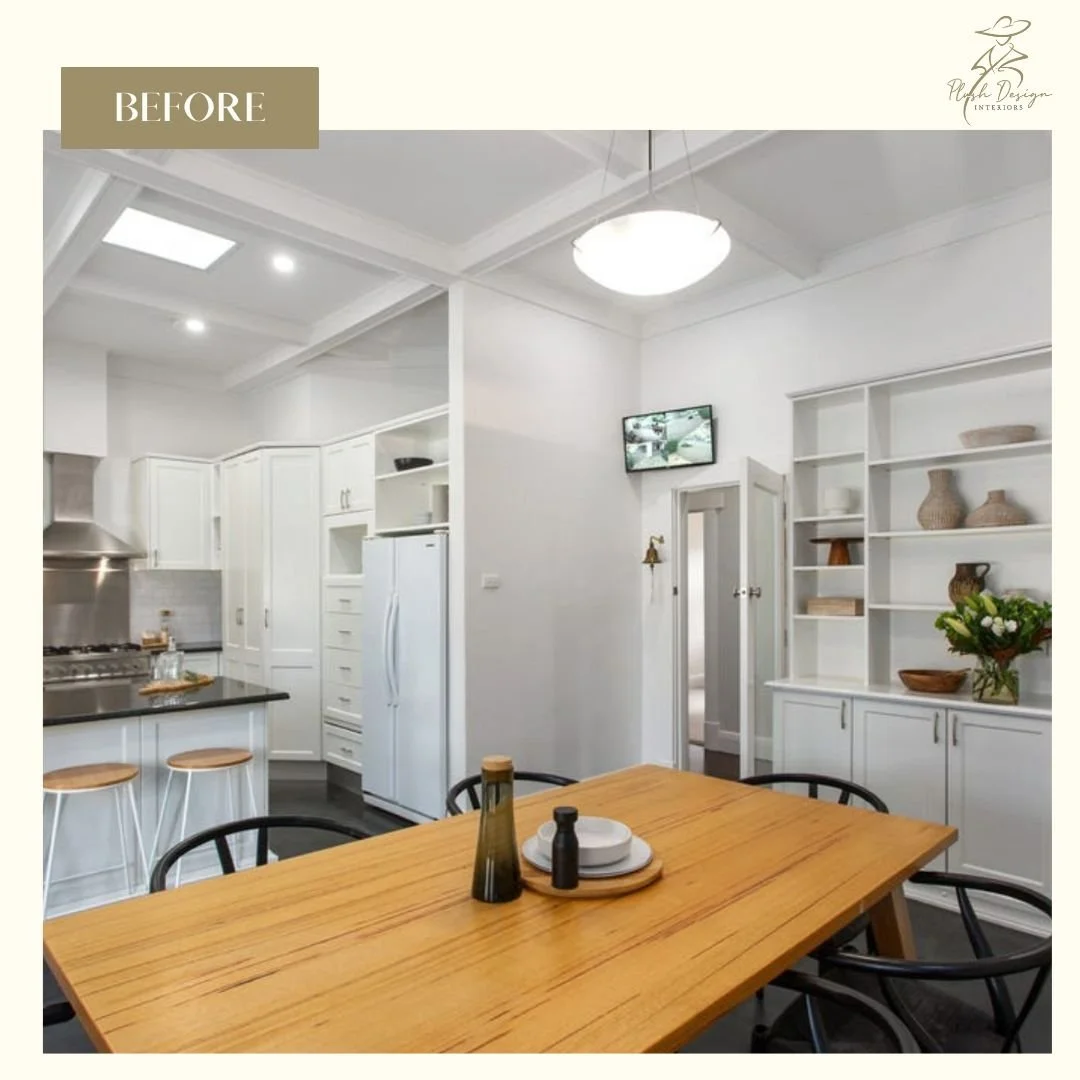
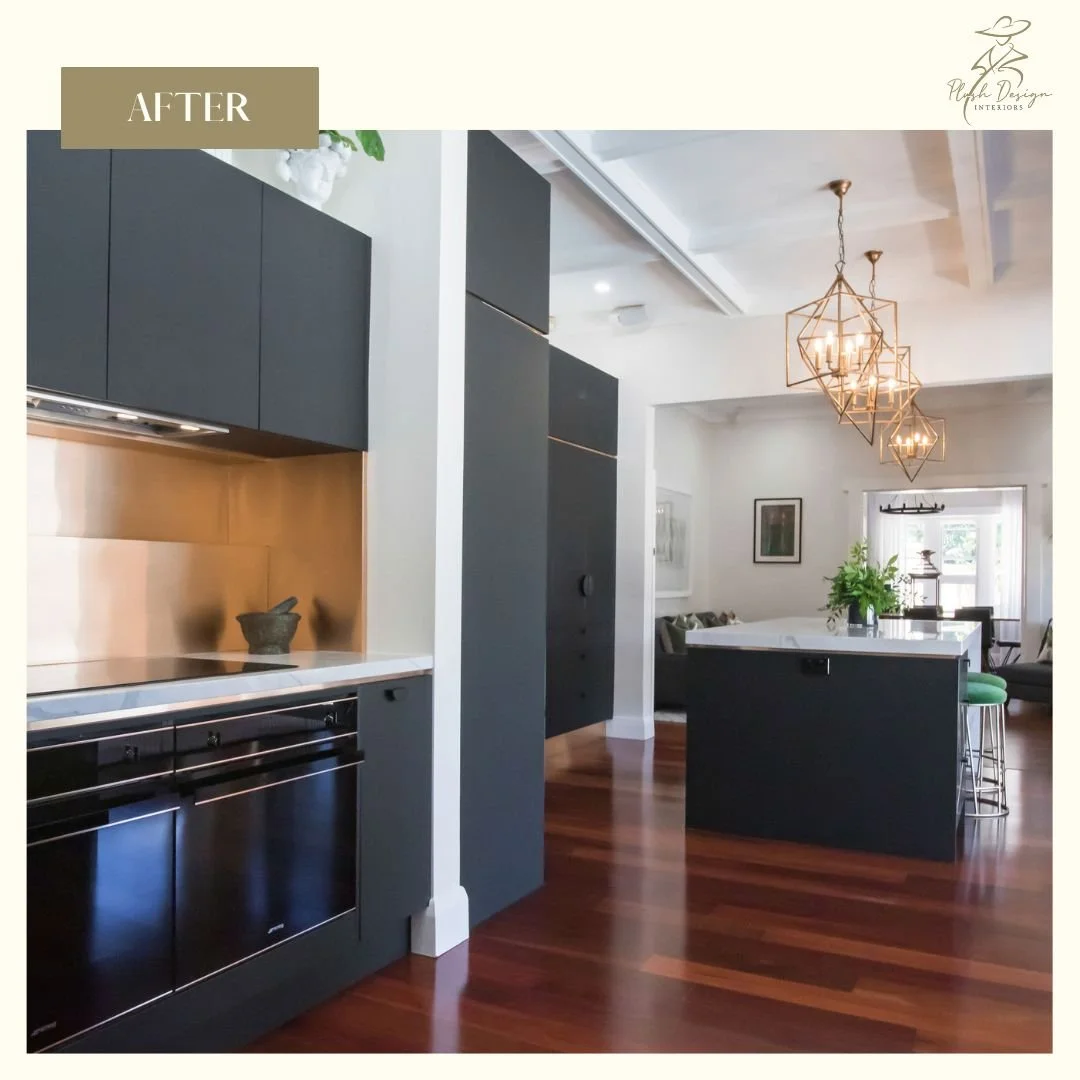
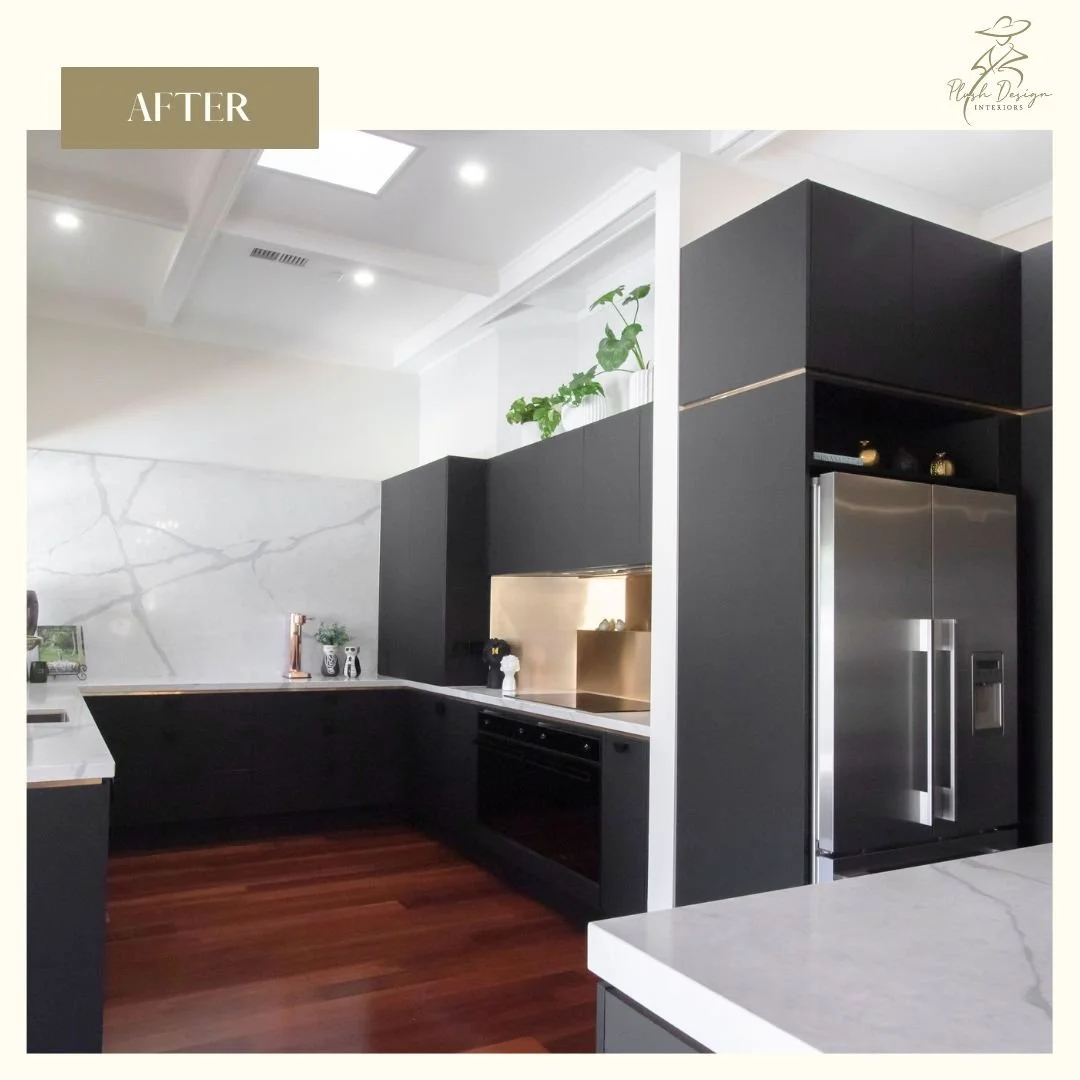
Our Toorak Gardens project where we closed up a door, took out a wall, and re-designed this kitchen/dining into a three zone ‘Cook. Social. Relax.’ space.
Interior architecture, interior design, selections, and documentation by Plush Design Interiors. After images by Claudine Burgess Photography.
Why Design Must Come Before Build (No Exceptions, No Negotiations)
Let’s get clinical for a moment (but still fabulous).
1. Builders Price What They’re Given—Not What You Meant
Builders are not mind readers. They price based on documentation.
If you don’t provide:
Detailed floor plans
Joinery drawings
Lighting and electrical layouts
Finishes and fixtures
…they will fill in the blanks.
And blanks get filled with:
Assumptions
Allowances
“We’ll confirm later”
Which is code for: this will cost more later.
2. Decisions Made on Site Are the Most Expensive Decisions You’ll Ever Make
There is a direct correlation between urgency and poor decision-making.
On-site decisions happen:
Under time pressure
With limited options
Often without full context
That’s how you end up choosing tiles in five minutes that you’ll stare at for ten years.
Design allows you to:
Explore options properly
Test layouts
Refine details
Make confident renovation decisions before they cost you money to change
3. Layout Is Everything (And It’s Not Fixable With Styling)
You can change cushions. You can change paint.
You cannot easily change:
A poorly planned kitchen
Awkward circulation paths
Storage that doesn’t work
Power points in ridiculous places
Layout is the skeleton of your home. Design resolves it. Build locks it in.
Choose wisely.
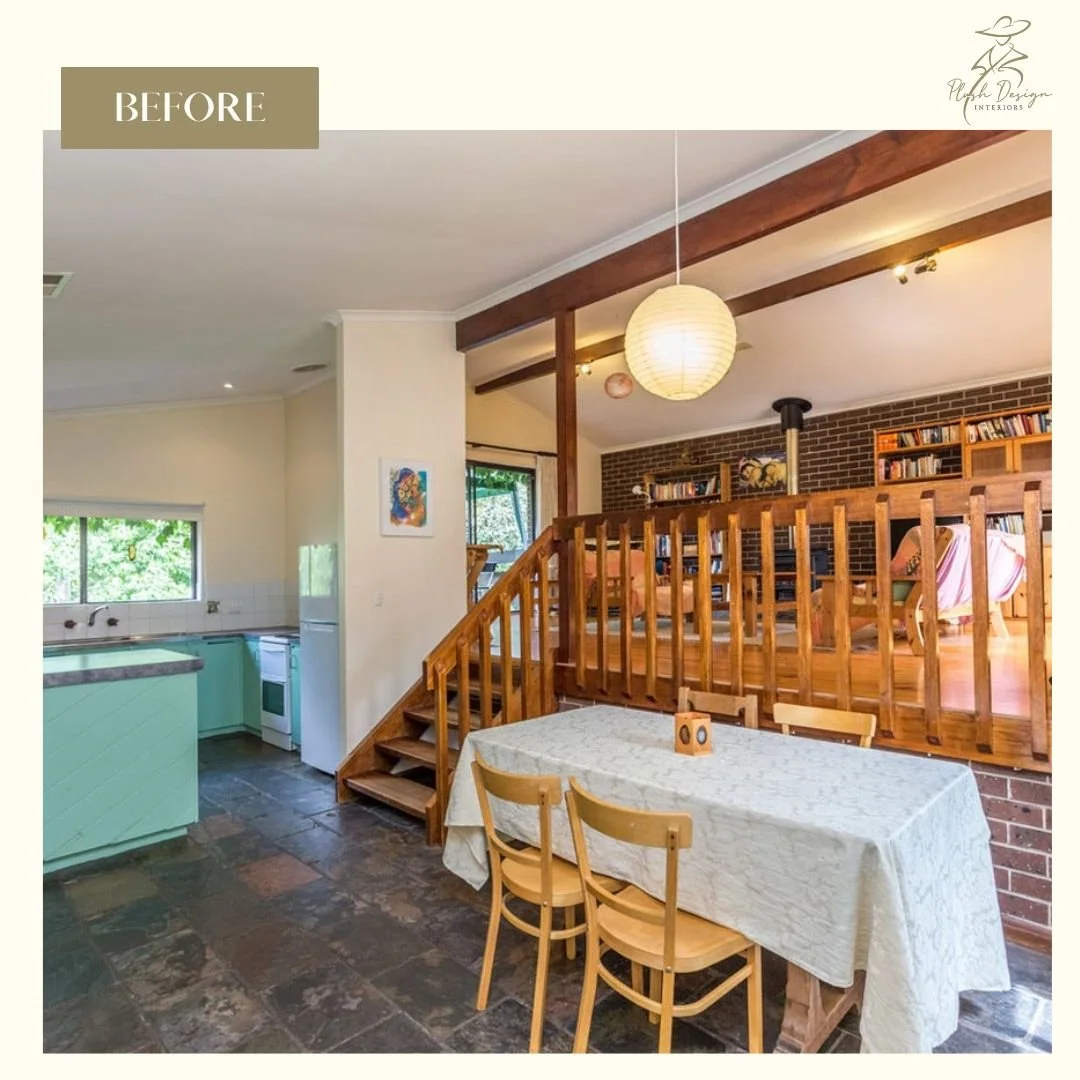
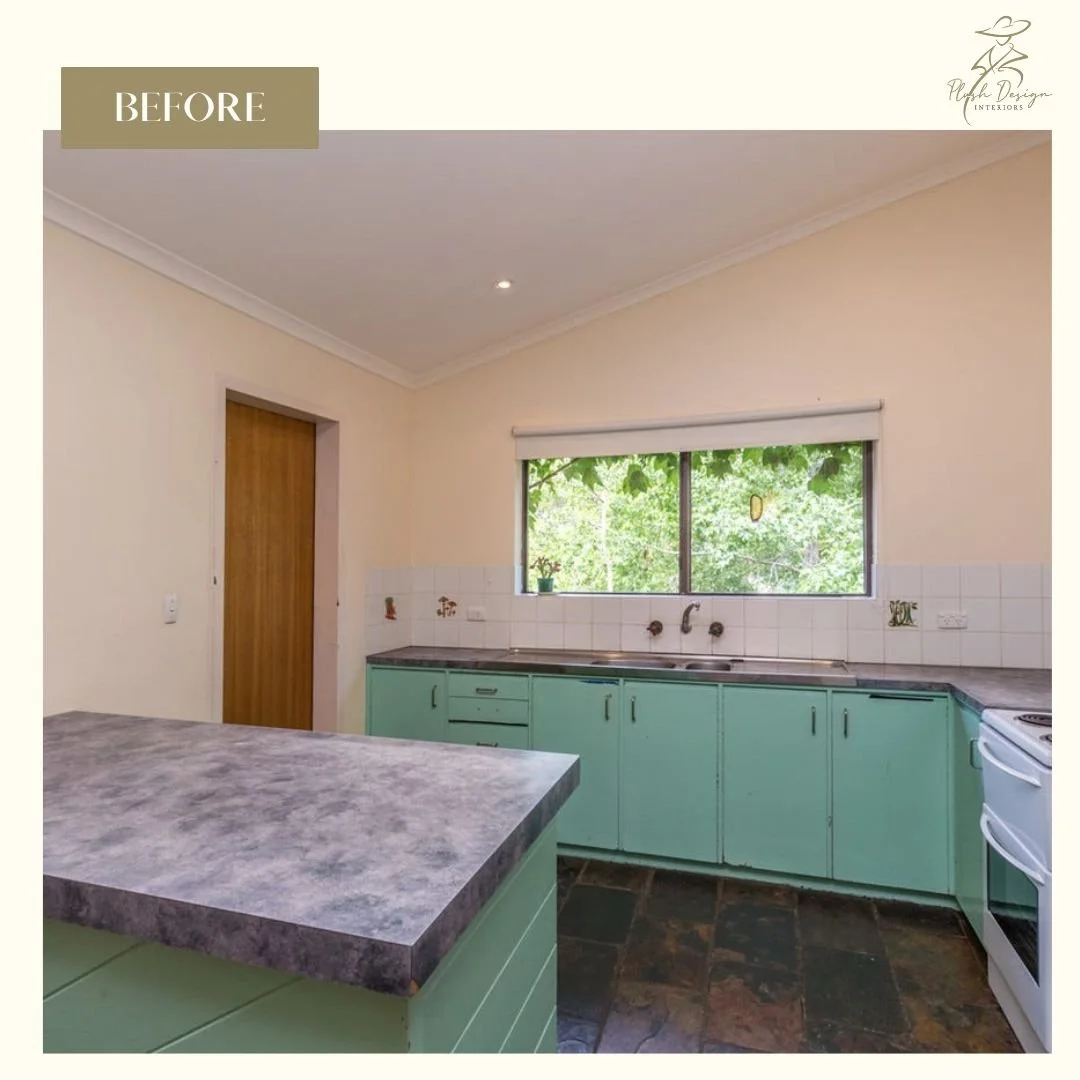
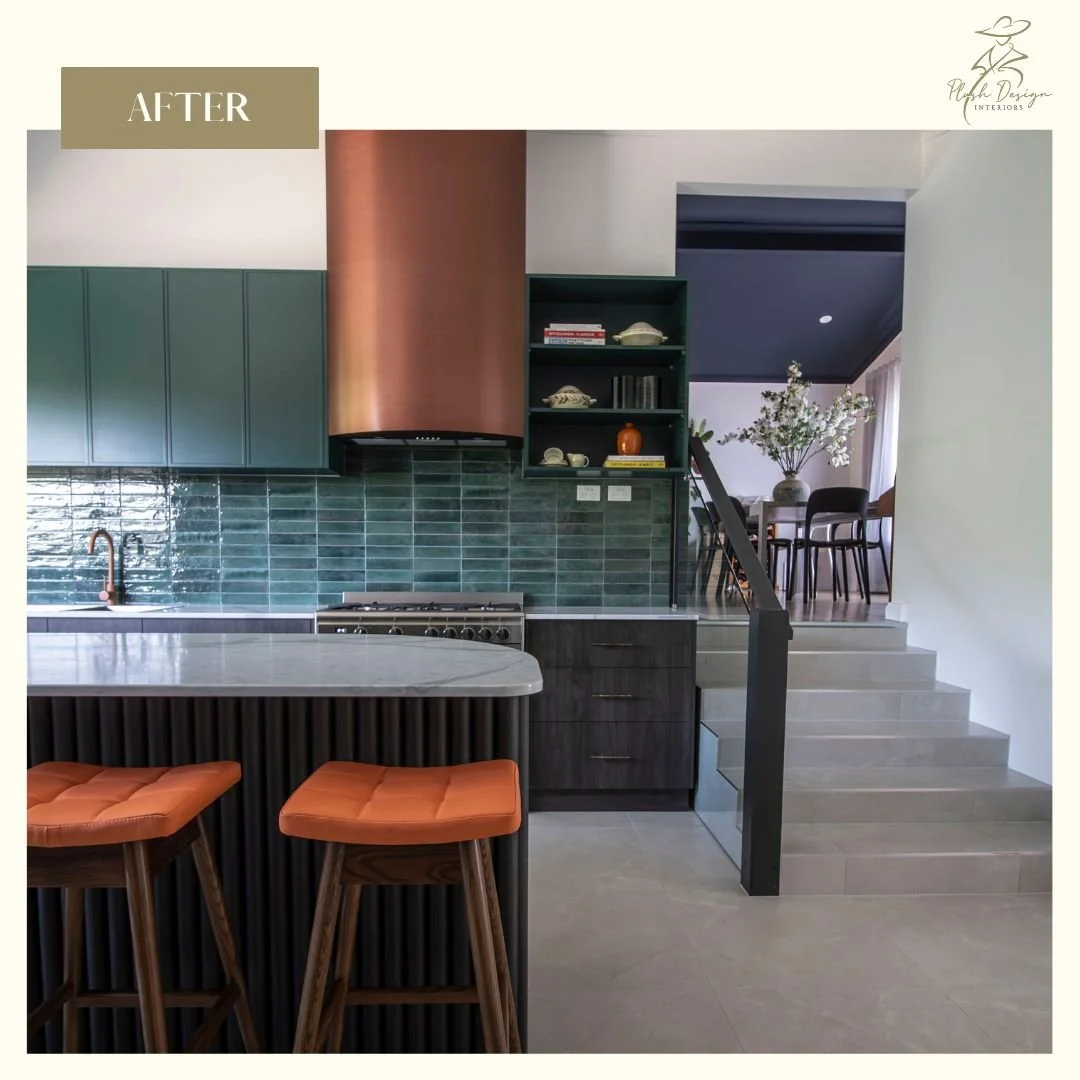
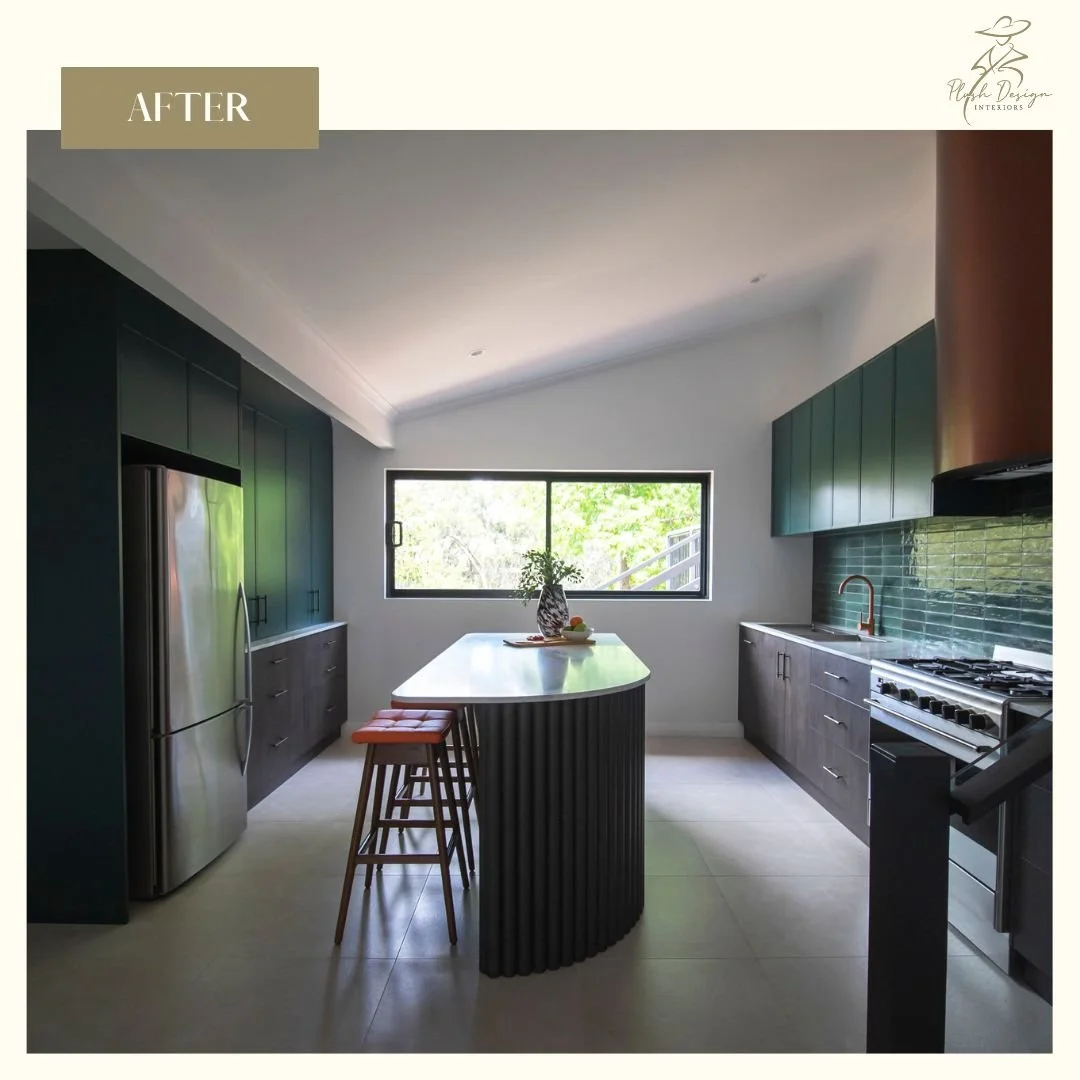
Our Bridgewater project where we created a space unrecognisable from the original kitchen in this Mid-Century Modern Adelaide Hills home.
Interior architecture, interior design, selections, and documentation by Plush Design Interiors. After images by Claudine Burgess Photography.
4. Documentation = Clarity = Cost Control
Let me introduce you to your new favourite phrase:
Design documentation.
This includes:
Dimensioned floor plans
Elevations and sections
Joinery drawings
Electrical and lighting plans
Finishes schedules
This is what allows:
Accurate builder quotes
Clear communication with trades
Consistent execution on site
Without it? You’re renovating via vibes. And Plush Design Interiors provides detailed design documentation for all renovations.
5. Variations Are Where Budgets Go to Die
When design isn’t resolved upfront, variations multiply.
A variation is:
“We didn’t plan this properly, so now it costs extra.”
Multiply that by:
Lighting changes
Joinery tweaks
Material upgrades
Layout adjustments
…and suddenly your “reasonable budget” is doing acrobatics.
Design reduces variations because decisions are made early, not mid-construction.
6. Builders Build. Designers Design. Magic Happens When They Collaborate.
This is not a turf war. It’s a partnership.
Builders bring construction expertise
Designers bring spatial, functional, and aesthetic expertise
Both need to be included in a good design and build proposal
When design comes first:
Builders can quote accurately
Trades can execute clearly
The project runs smoother
When design is skipped:
Builders are forced to design on the fly
Communication breaks down
The result is compromised
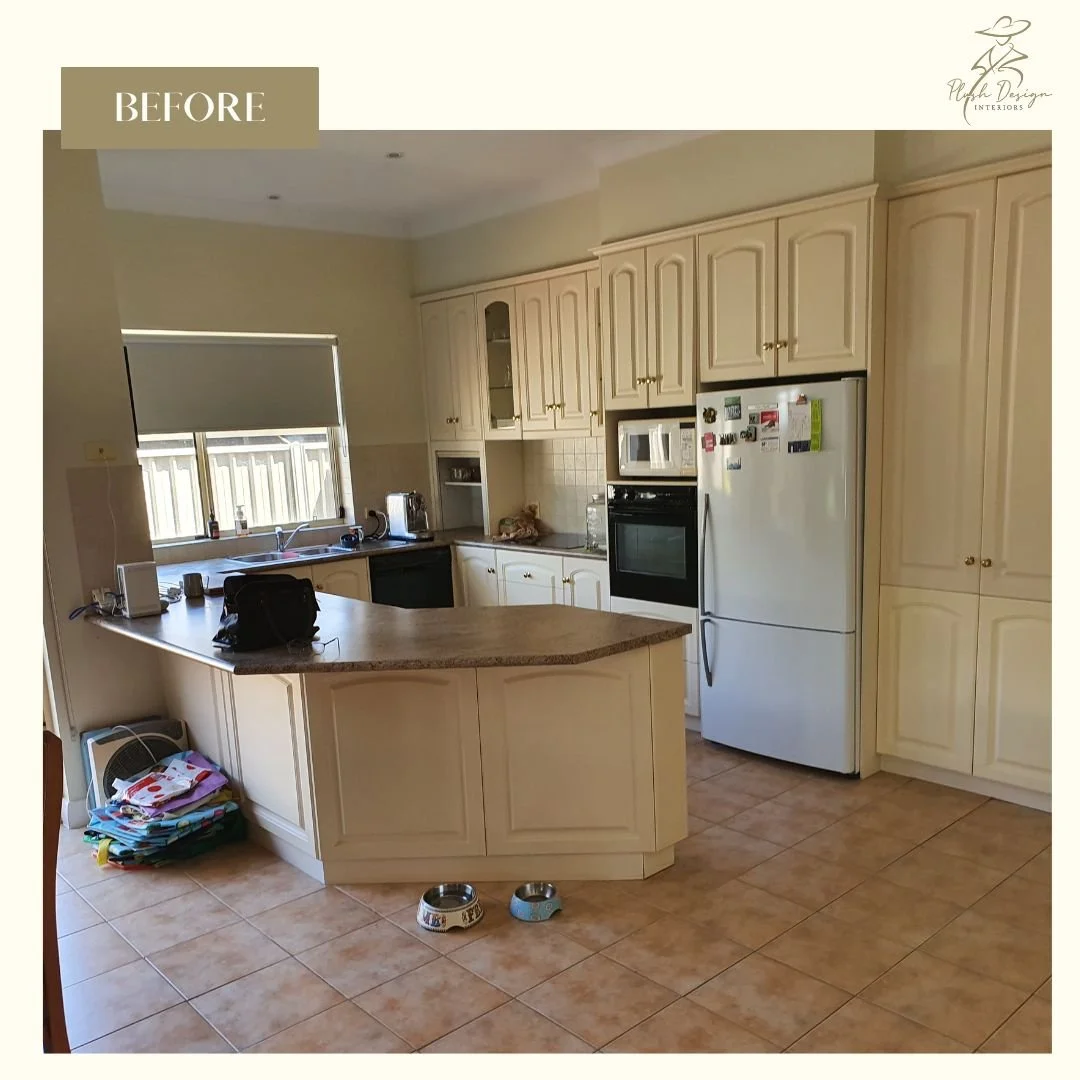
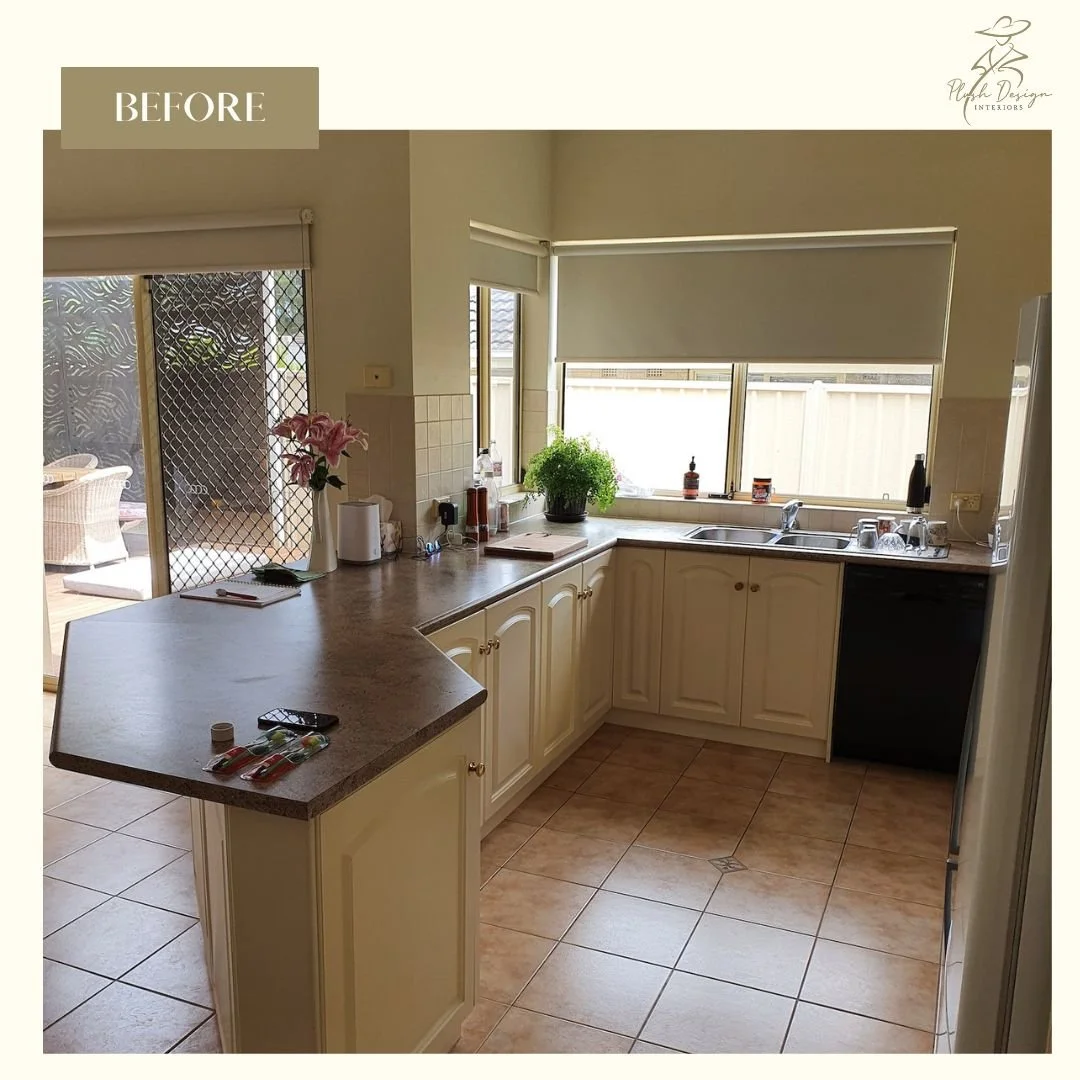
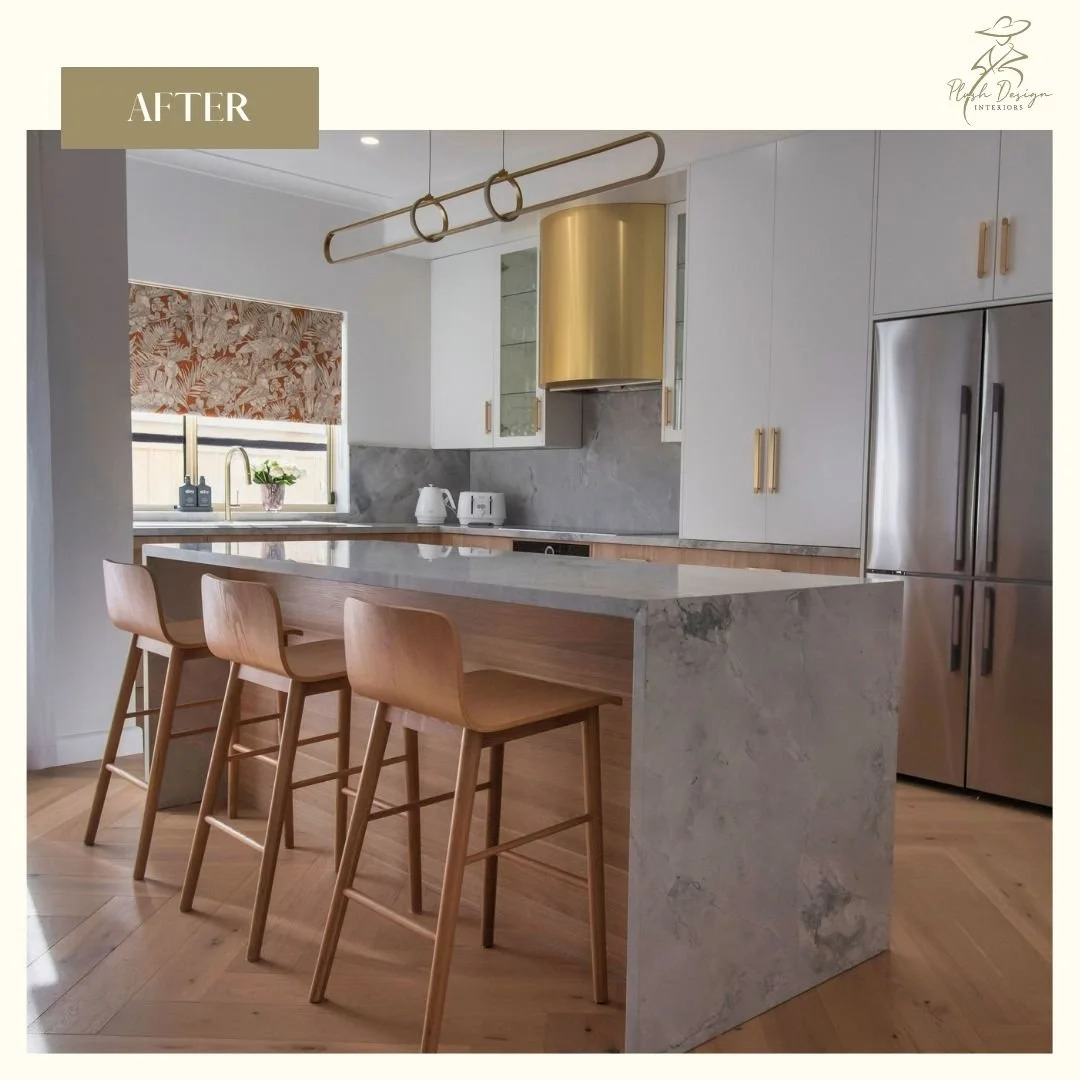
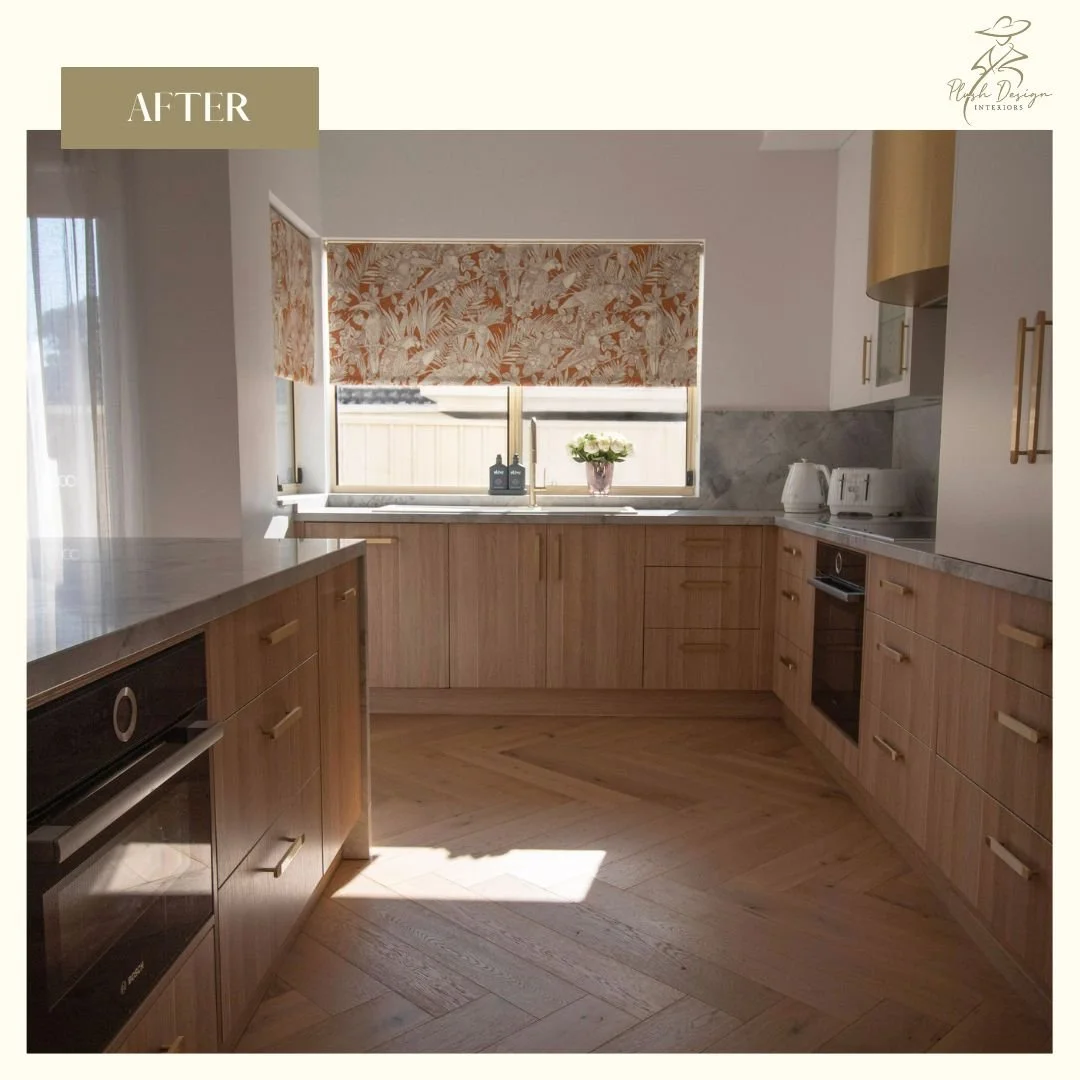
Our Hazelwood Park open plan kitchen + dining + living space renovation where we transformed the 20 year old kitchen in to a resort-style space.
Interior architecture, interior design, selections, and documentation by Plush Design Interiors. After images by Claudine Burgess Photography.
7. Architects, Designers, or Both? (The Plot Thickens)
Let’s clear this up with elegance.
Architects/building designers: structure, form, compliance, external vision
Interior designers: internal layout, joinery, lighting, finishes, functionality
Some firms do both. Many don’t.
The best results often come from: collaboration—or a full-service interior designer who carries the entire interior vision through.
8. The Emotional Cost No One Talks About
Let’s talk about the part spreadsheets don’t capture.
Renovating without a clear design leads to:
Decision fatigue
Stress
Second-guessing
Regret
Renovating with a resolved design feels like:
Confidence
Clarity
Control
Excitement
And frankly, if you’re spending this much money, you deserve the second option.
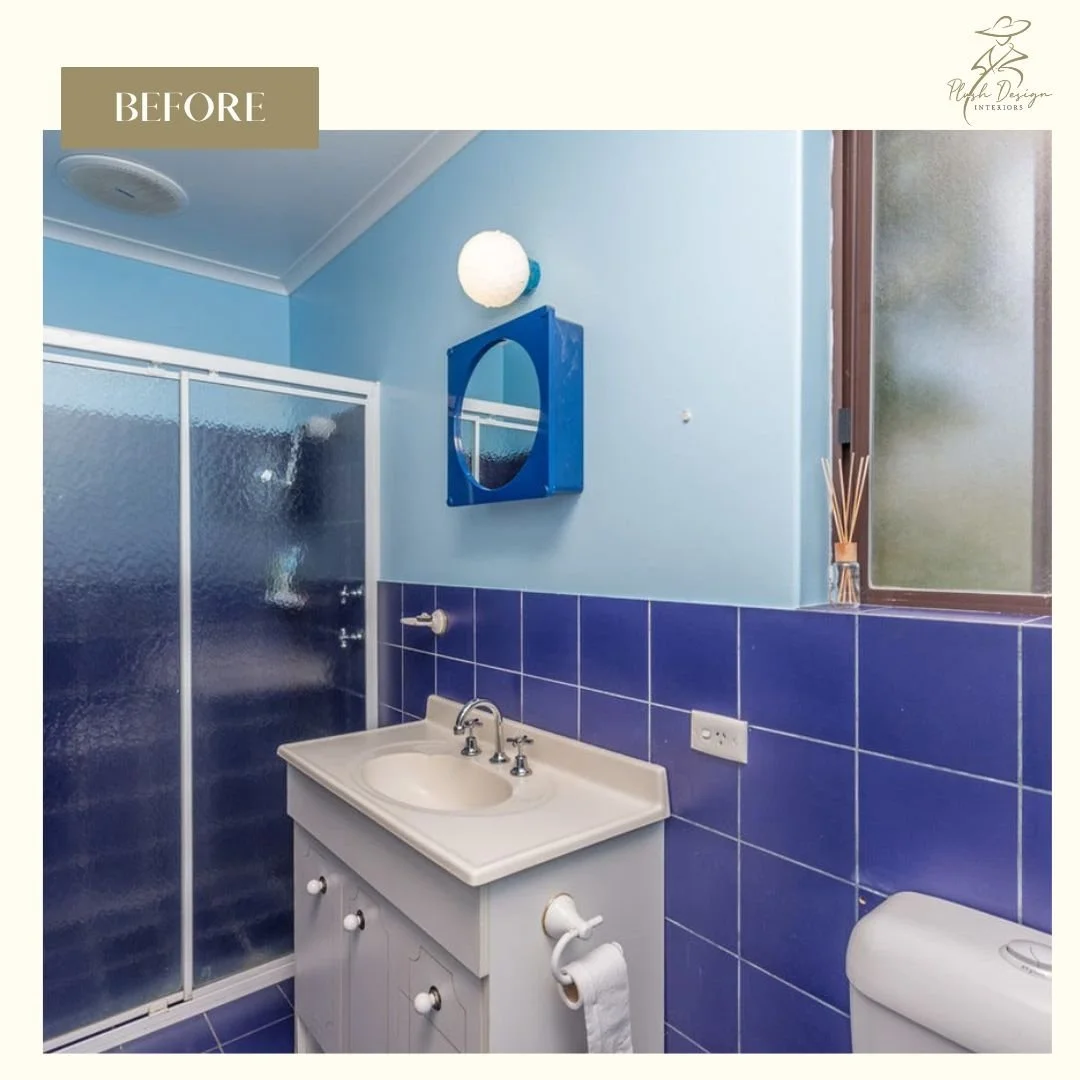
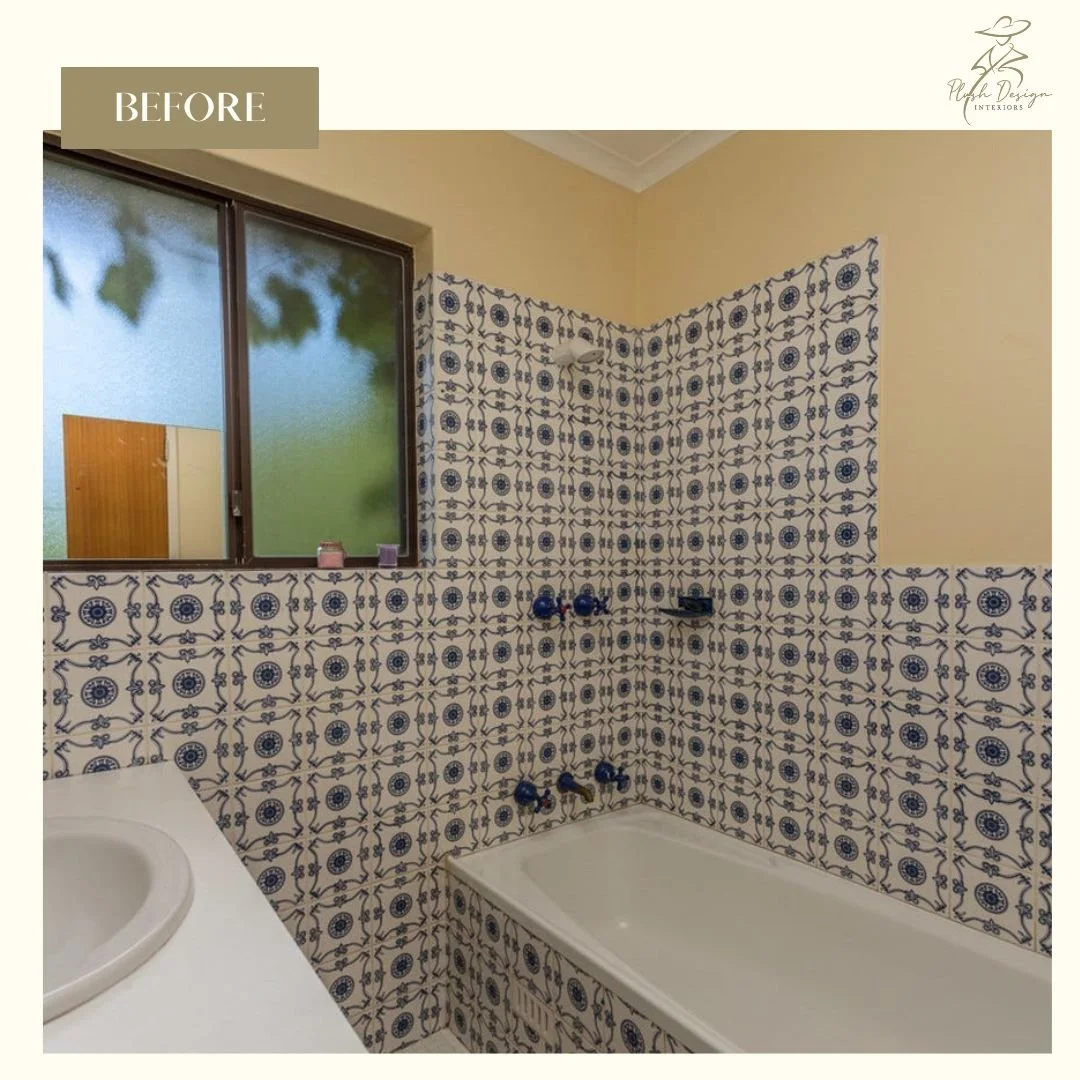
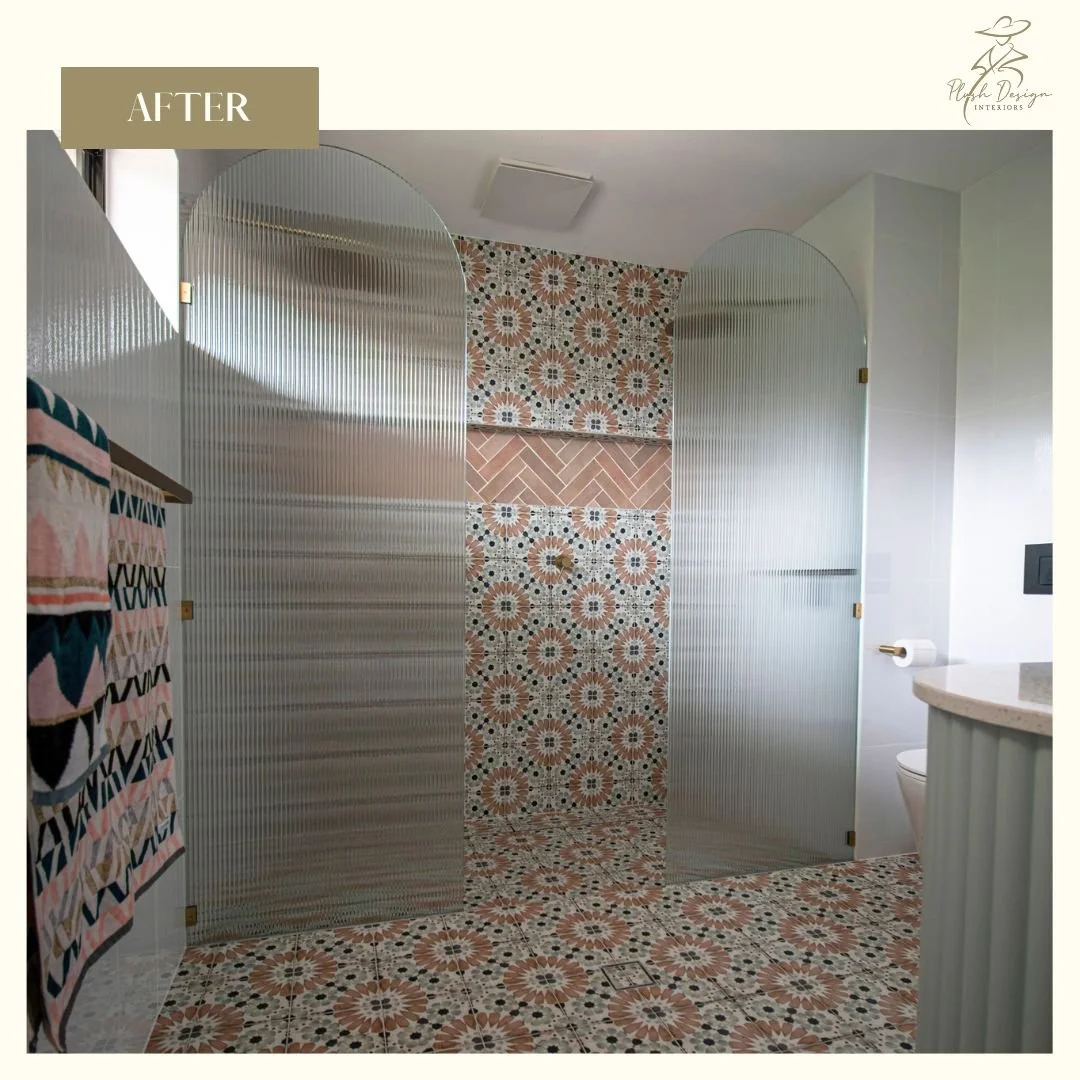
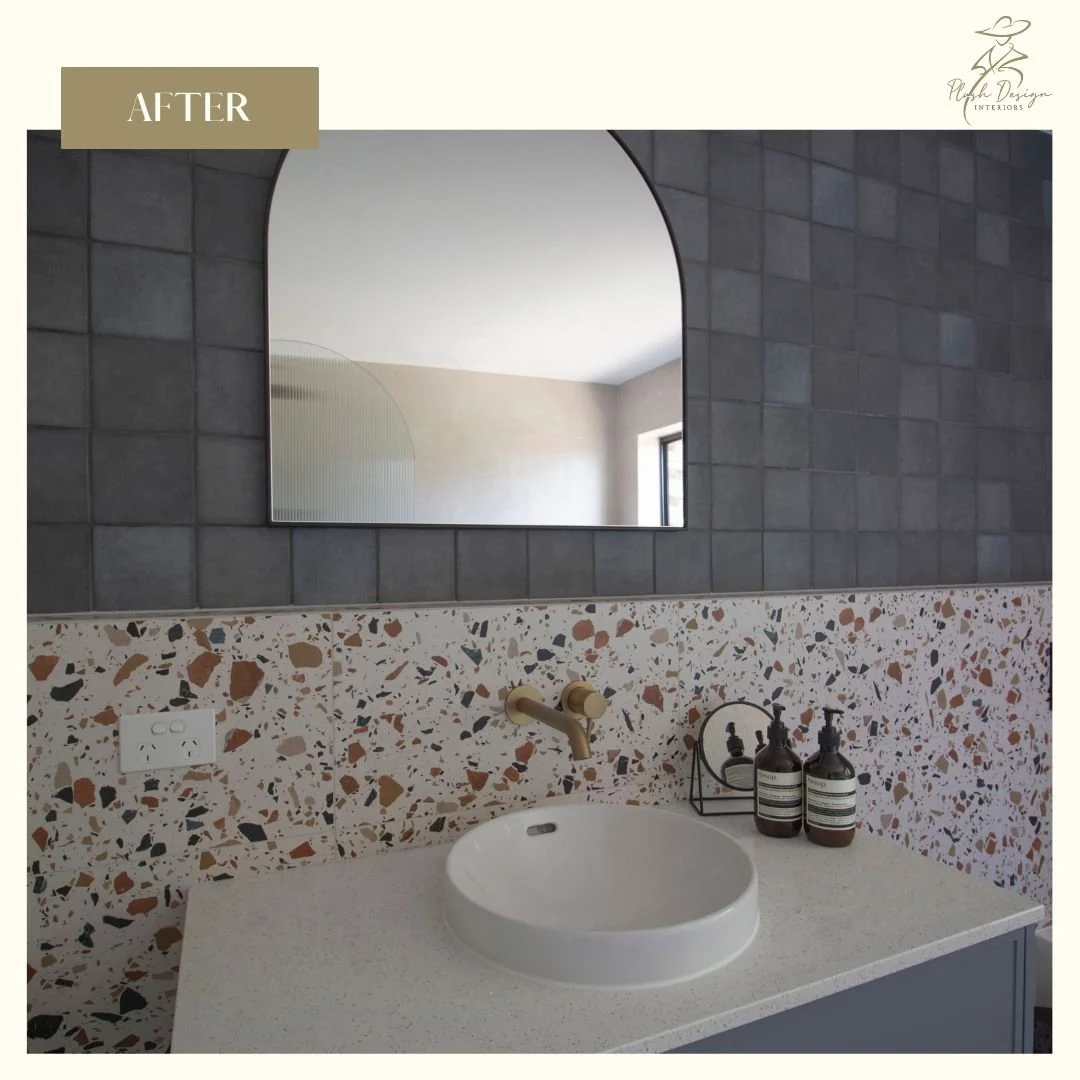
Our Bridgewater whole-of-home renovation project in a Mid-Century Modern home where our clients embraced colour and pattern.
Interior architecture, interior design, selections, and documentation by Plush Design Interiors. After images by Claudine Burgess Photography.
The Real Reason People Skip Design
Let’s be honest.
People skip design because they think:
It’s an optional extra
It’s just “making things pretty”
It will add cost
But what it actually does is:
Prevent expensive mistakes
Streamline the process
Deliver a better result
Skipping design doesn’t save money. It just hides the cost until it’s too late.

In Case You Scrolled Too Fast (I’ll forgive you)
Builders need documentation, not descriptions
Decisions made early are cheaper than decisions made on site
Layout mistakes are permanent (and painful)
Good design saves money, time, and sanity
Your Gentle (But Firm) Reality Check
If your renovation plan currently includes:
“We’ll figure it out as we go”
“The builder will help with that”
“It should be fine”
…it won’t be.
Not because your builder isn’t capable—but because the process is flawed.
I Want In
If you want a renovation that feels intentional, considered, and deeply you—not a collection of rushed decisions—
Book a Design Power Session with Plush Design Interiors (in person in Adelaide or via Zoom elsewhere)
Download our ‘Design Build Checklist’ for free
Purchase my e-book ‘Don’t Get Ripped Off By Your Reno’ (or receive a complimentary copy when you book a Design Power Session)
And let’s design your home properly before anyone picks up a hammer.
Love, Penelope xx - Adelaide Hills Interior Architect + Anti-Blah Campaigner
Plush Design Interiors uses AI‑generated imagery to help illustrate design concepts and possibilities in a fast, flexible and cost‑effective way. These images are inspirational visualisations only and may not represent final selections, exact colours, finishes or products available in Australia. All real‑world Plush Design Interiors work, including all design, specifications, selections and purchases, are curated by a human interior designer and are confirmed with clients using accurate samples, supplier information and detailed documentation before any work proceeds.
FAQ’s: The Stuff Everyone Googles at 11:47pm Mid-Reno Panic
Do I really need an interior designer for a renovation?
Short answer: if you want your home to work, yes.
Long answer: a qualified interior designer plans your layout, resolves functionality, documents every detail, and ensures your renovation isn’t just expensive—but actually successful. Without one, you’re relying on guesswork, trades filling in blanks, and your future self quietly seething at poorly placed power points.
Isn’t an interior designer just for decorating?
Absolutely not.
That’s like saying a chef just plates food.
Interior designers (the real ones) handle spatial planning, kitchen and bathroom design, joinery, lighting plans, finishes, and full documentation. Decorating is the final flourish—not the foundation.
What’s the difference between an interior designer and a decorator?
A decorator makes things look nice.
An interior designer makes things work beautifully and look incredible.
Designers deal with layouts, function, documentation, and construction collaboration. Decorators typically focus on furniture, colour, and styling. Both have their place—but they are not interchangeable.
Should I hire a builder first to get a quote?
No. And I say that with love.
If you ask a builder to quote without design documentation, you’ll get:
Vague pricing
Missing items
Budget surprises later
You need a fully resolved design first so builders can quote accurately. Otherwise, you’re comparing apples to… abstract concepts.
Why does design need to come before build?
Because decisions made on site are:
More expensive
More rushed
More likely to be wrong
Design is where you solve problems before they become costly mistakes. Build is where you execute those decisions—not invent them.
Can a builder design my renovation instead?
They can… but they shouldn’t be your primary designer.
Builders are experts in construction. Some have great instincts, but they’re not typically engaged to produce detailed layouts, joinery design, or cohesive interior schemes.
It’s like asking your pilot to also design the plane mid-flight.
What if I’m already working with an architect? Do I still need an interior designer?
Often, yes.
Many architects focus on structure, form, and external design. Some offer interiors—but many don’t go deep into:
Joinery design
Lighting layouts
Finishes and fixtures
Interior detailing
The dream team is architect + interior designer working together—or a full-service designer who can carry the whole vision through.
What is “design documentation” and why does everyone keep banging on about it?
Because it’s everything.
Design documentation includes:
Floor plans
Electrical and lighting plans
Joinery drawings
Finishes schedules
It’s what allows your builder to price and build accurately—and stops your renovation turning into a very expensive improvisation exercise.
Will hiring an interior designer blow my budget?
Counterintuitively… no.
A good designer helps you:
Avoid costly mistakes
Make decisions early (when they’re cheaper)
Allocate budget where it matters
Skipping design doesn’t save money—it just relocates the cost to later, where it’s bigger and more painful.
When should I bring a designer into my renovation?
At the very beginning.
Before:
Builder quotes
Demolition
Pinterest spirals
The earlier a designer is involved, the better the outcome—and the smoother the entire process.
What does “end-to-end interior design” actually include?
Think of it as the full renovation journey, handled with intention:
Concept and layout design
Kitchen, bathroom, and joinery design
Lighting and electrical planning
Finishes and fixtures selection
Documentation for builders
Collaboration during construction
Styling and final touches
From “what if we did this…” to “here are your keys.”
What’s the biggest mistake homeowners make when renovating?
Starting without a plan.
Followed closely by:
Making decisions on site
Underestimating lighting
Trusting that “it’ll work itself out”
It won’t. It never does.
Can I DIY my renovation design?
You can.
But the real question is: do you want to risk it?
If you’re confident in spatial planning, documentation, technical detailing, and selections—go for it.
If not, even partial design support can save you from very expensive learning curves.
Final Reality Check
If you’re about to spend serious money on your home…
Would you rather:
Hope it turns out well
orKnow it will?
Exactly.