
Pre-Renovation Advice: 10 Essential Factors Every Homeowner Must Consider

Planning an Adelaide home renovation can be an exciting yet daunting task. The prospect of transforming your living space into your dream home is thrilling, but the process requires expert pre-renovation advice and meticulous planning.
The 10 essential pre-renovation factors every Adelaide homeowner must consider are: establishing a realistic budget with a 20% contingency, understanding council and heritage approval requirements for your property, clarifying your brief before approaching any designer or builder, assessing your home's structural condition before planning cosmetic changes, understanding the difference between a designer and a decorator and which you need, knowing what a Scope of Works is and why you need one before going to tender, researching builder credentials and references, understanding contract basics before signing anything, planning for disruption to daily life during the build, and knowing your timeline realities — which are almost always longer than you hope.
You don't know what you don't know about renovating. That's not an insult — it's the single most important thing to understand before you begin. Every renovation disaster I've seen, every budget blowout, every "but nobody told me" moment has one common root: a homeowner who didn't ask the right questions before signing anything. This post is the right questions.
Our comprehensive guide will outline the 10 essential factors critical to the pre-renovation planning phase. However, you may be wondering what an Adelaide interior designer knows about renovating. Actually, quite a lot. Please see more in our Plush Design Interiors Portfolio.
At Plush Design Interiors, we design, plan and document home renovations so we know the pitfalls and we understand what’s required. Our pre-renovation advice will help you to maximise the hidden potential in your home.

1. Define Your Goals and Priorities
Before you start tearing down walls or picking out paint colours, it's essential to have a clear vision of what you want to achieve with your home renovation. Ask yourself:
What are my primary reasons for renovating my home? (e.g., increasing space, improving functionality, updating aesthetics)
What specific changes do I want to make?
Which areas of my home need the most attention?
How will this renovation improve the functionality of my home?
Prioritise your goals to ensure that the most critical aspects of your Adelaide renovation are addressed first. This will help you stay focused and avoid getting sidetracked by less important details. Keep referring back to your list of goals if you feel you’re running off track.
2. Set a Realistic Budget
Creating a budget is one of the most crucial steps in the pre-renovation planning process. Your budget will dictate the scope of your project and influence many decisions along the way. Consider the following:
Cost Estimates: Research the costs associated with your renovation plans. This includes materials, labor, permits, and any additional expenses that may arise.
Contingency Fund: Allocate a portion of your budget for unexpected costs. A good rule of thumb is to set aside 10-20% of your total budget for contingencies.
Financing Options: Determine how you will finance your renovation. Options include savings, home equity loans, personal loans, or financing through a building contractor.
Be realistic about what you can afford and avoid the temptation to overspend. A well-planned budget will help you make informed decisions and keep your renovation on track.

3. Research and Hire the Right Professionals
The success of your Adelaide renovation largely depends on the professionals you hire. Whether you need an architect, interior designer, building contractor, and probably a combination of these, it's crucial to choose experienced and reputable professionals. Here are some tips:
Referrals and Reviews: Ask for recommendations from friends, family, or neighbours who have completed similar projects. Read online reviews and check the website of a potential professional to view past projects and see any testimonials they may have.
Interviews and Quotes: Interview multiple professionals to compare their experience, approach, and pricing. Obtain detailed quotes from each to understand what is included and any potential additional costs. Know which questions to ask your interior architect or interior designer and don’t hire your builder first.
Credentials and Licensing: Verify that the professionals you hire are licensed, insured, and have the necessary credentials to perform the work.
Working with the right professionals will ensure that your renovation is completed to a high standard and within your budget.
4. Obtain Necessary Permits and Approvals
Many Adelaide renovation projects require permits and approvals from local authorities. Failing to obtain the necessary permits can lead to fines, delays, and even the need to undo completed work. Common projects that typically require permits include:
Structural changes (e.g., removing or adding walls, generally support walls that require an engineering report)
Electrical and plumbing work in new additions
Adding or modifying external-facing windows and doors
Major exterior changes (e.g., roofing, cladding)
Consult with your Adelaide interior designer, building contractor or local council planning department to determine which permits are needed for your project. Ensure that all required permits are obtained before starting any work.
At Plush Design Interiors, we help Adelaide homeowners with pre-renovation advice and council approvals, which may surprise you.


5. Plan for Temporary Living Arrangements
Depending on the scope of your renovation, you may need to make temporary living arrangements. If your renovation affects essential areas such as the kitchen or bathrooms, or if it involves significant structural changes, it may be inconvenient or unsafe to stay in your home. Consider the following options:
Staying with Family or Friends: This can be a cost-effective solution if you have accommodating family or friends nearby.
Rental Accommodations: Renting an apartment or house for the duration of your renovation can provide a comfortable and convenient living space.
Staying On-Site: If your renovation allows, you might choose to stay in a part of your home that is not affected by the work. This option requires careful planning to ensure safety and minimal disruption.
Discuss the options with your building contractor to determine the best solution for your situation.
6. Establish a Clear Timeline
Setting a realistic timeline for your Adelaide renovation is essential to managing expectations and ensuring that the project stays on track. Work with your interior designer and builder (yes, designers and builders must work TOGETHER not independently) to develop a detailed schedule that includes:
Start and End Dates: Establish when the renovation will begin and when you expect it to be completed.
Milestones: Identify key milestones and deadlines for each phase of the project (e.g., demolition, framing, electrical work, finishing).
Potential Delays: Anticipate potential delays and plan for contingencies. Common causes of delays include weather, material shortages, and unforeseen structural issues.
Regularly communicate with your interior designer and builder to monitor progress and address any issues that may arise.
7. Consider the Impact on Your Daily Life
Renovations can be very disruptive, so it's important to consider how the project will impact your daily life. Think about:
Noise and Dust: Renovations often generate significant noise and dust, which will be disruptive to your routine. Plan for ways to minimise these disruptions, such as using dust barriers and scheduling noisy work during times when you are not at home.
Access to Facilities: Ensure that you have access to essential facilities like bathrooms and kitchens during the renovation. Temporary solutions, such as setting up a mini kitchen in another room or an outdoor BBQ, can help.
Safety: Ensure that the work area is safe, especially if you have children or pets. Keep them away from construction zones and hazardous materials.
By anticipating these challenges, you can take steps to minimise their impact on your daily life.
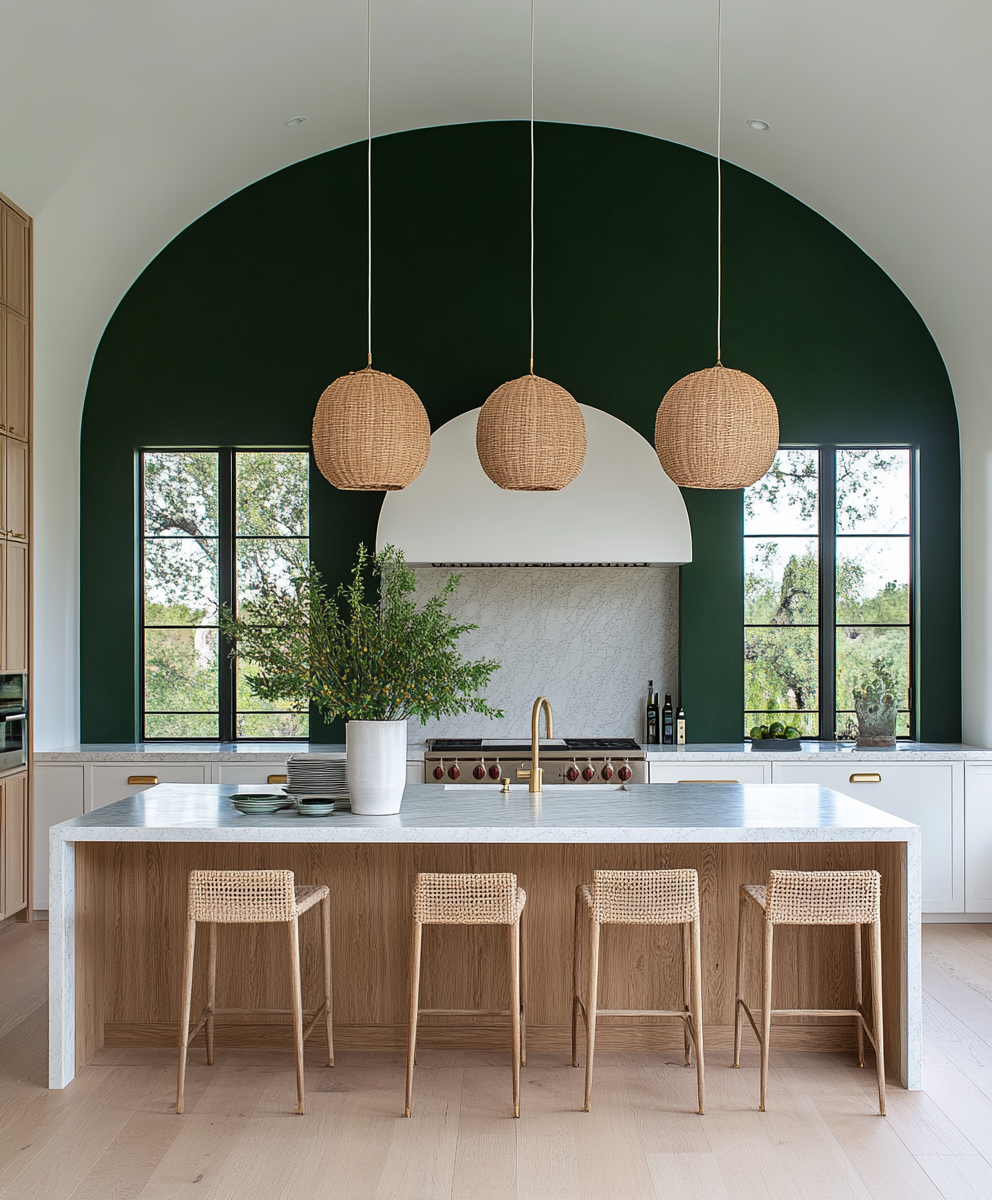
8. Source Materials and Finishes
Selecting materials and finishes is a crucial part of the renovation process. The choices you make will significantly impact the look, feel, and functionality of your space. Consider the following:
Quality: Invest in high-quality materials that will stand the test of time. This is especially important for high-traffic areas like kitchens and bathrooms.
Aesthetics: Choose materials and finishes that align with your design vision and complement the existing style of your home.
Sustainability: Consider eco-friendly options that are sustainable and energy-efficient. This can include materials like reclaimed wood, low-VOC paints, and energy-efficient appliances.
Availability: Ensure that the materials you choose are readily available and can be delivered within your project timeline.
Work closely with your designer to select the best materials for your renovation.


9. Prepare for the Unexpected
No matter how well you plan, unexpected issues can arise during a renovation. Being prepared for the unexpected can help you navigate these challenges with minimal stress. Common unexpected issues include:
Structural Problems: Hidden issues such as rot, mould, or outdated wiring can be discovered during demolition.
Cost Overruns: Additional costs can arise from changes in scope, unforeseen repairs, or price increases in materials.
Delays: Weather, material shortages, and scheduling conflicts can lead to delays.
Having a contingency fund and a flexible mindset will help you manage these challenges effectively.
10. Plan for Post-Renovation Clean-Up and Settling In
Once the renovation is complete, there will still be work to do before you can fully enjoy your new space. Consider the following:
Clean-Up: Plan for a thorough clean-up of the renovation area. This may involve professional cleaning services to remove dust and debris.
Inspections: Conduct a final inspection with your interior designer and builder to ensure that all work has been completed to your satisfaction and that there are no outstanding issues. At Plush Design Interiors, we also offer a service for final walk-through and defects management.
Furnishing and Decorating: If your renovation included major changes, you may need to purchase new furniture and decor to complement your updated space.
Maintenance: Establish a maintenance plan to keep your newly renovated space in top condition. This may include regular cleaning, servicing of new appliances, and routine inspections.
Taking these steps will help you transition smoothly from the renovation phase to enjoying your newly transformed home.

Loving Your New Home Because You Took Pre-Renovation Advice
Planning an Adelaide home renovation requires careful consideration of many factors to ensure a successful outcome. By defining your goals, setting a realistic budget, hiring the right professionals, obtaining necessary permits, and planning for temporary living arrangements, you can set the stage for a smooth renovation process.
Additionally, establishing a clear timeline, considering the impact on your daily life, sourcing materials and finishes, preparing for the unexpected, and planning for post-renovation clean-up will help you navigate the challenges and enjoy the rewards of your newly renovated home.
Remember, thorough pre-renovation advice and correctly navigating the renovation process is the key to transforming your space into the home of your dreams. With careful preparation and attention to detail, your renovation project can be a rewarding and fulfilling experience.
Love, Penelope xx - Adelaide Hills Interior Architect and Interior Designer and Anti-Blah Campaigner
Beige is Banned. Luxury is Law. Apply Within.


FAQs About Pre-Renovation Planning in Adelaide
When should I hire an interior designer for a renovation?
Before you hire a builder. Ideally before you finalise your brief, set your budget or go to any kind of tender. A designer brought in at the beginning shapes the entire project — the layout, the brief, the material selections, the Scope of Works, the builder selection process. A designer brought in after a builder has started is a paramedic, not a co-creator. The earlier you engage, the more value you receive and the more expensive mistakes you avoid.
How much should I budget for a home renovation in Adelaide?
A meaningful whole-home renovation in Adelaide in 2026 typically starts at $150,000 for a modest single-floor refresh and can reach $800,000–$1.5M for full structural renovations with high-end finishes in the Hills region. Kitchen renovations alone range from $35,000 for a cosmetic update to $150,000+ for a full reconfiguration with custom joinery. Bathroom renovations typically run $25,000–$80,000 depending on size and whether plumbing moves. Whatever your budget, add 20% as a non-negotiable contingency before you begin.
Do I need council approval for a renovation in Adelaide?
It depends on the nature and scope of the work. Structural changes — removing or adding walls, altering rooflines, changing floor plans — typically require Development Approval through your council. Heritage-listed properties and properties in heritage zones have additional requirements. Cosmetic work (painting, flooring, fixtures) generally does not require approval. Your designer or a building certifier can advise on your specific property and project scope.
What is a Scope of Works and why do I need one before renovation?
A Scope of Works is a detailed written document that defines every element of a renovation before construction begins — what's being built, how it's being built, what materials are being used and who is responsible for what. It's the most important document in any renovation because it eliminates assumptions, enables accurate builder quotes and prevents costly variations mid-construction. Every reputable renovation should have a Scope of Works before a builder quotes.
How do I choose a builder for my Adelaide renovation?
Get a minimum of three quotes from builders working from the same Scope of Works document — so you're comparing like for like. Check Consumer and Business Services licensing in your State. Request references from recent projects of similar scope and actually call them. Be wary of the lowest quote — understand why it's lower before choosing it. Ensure the builder has current insurance. And never pay more than a 10% deposit before work begins.
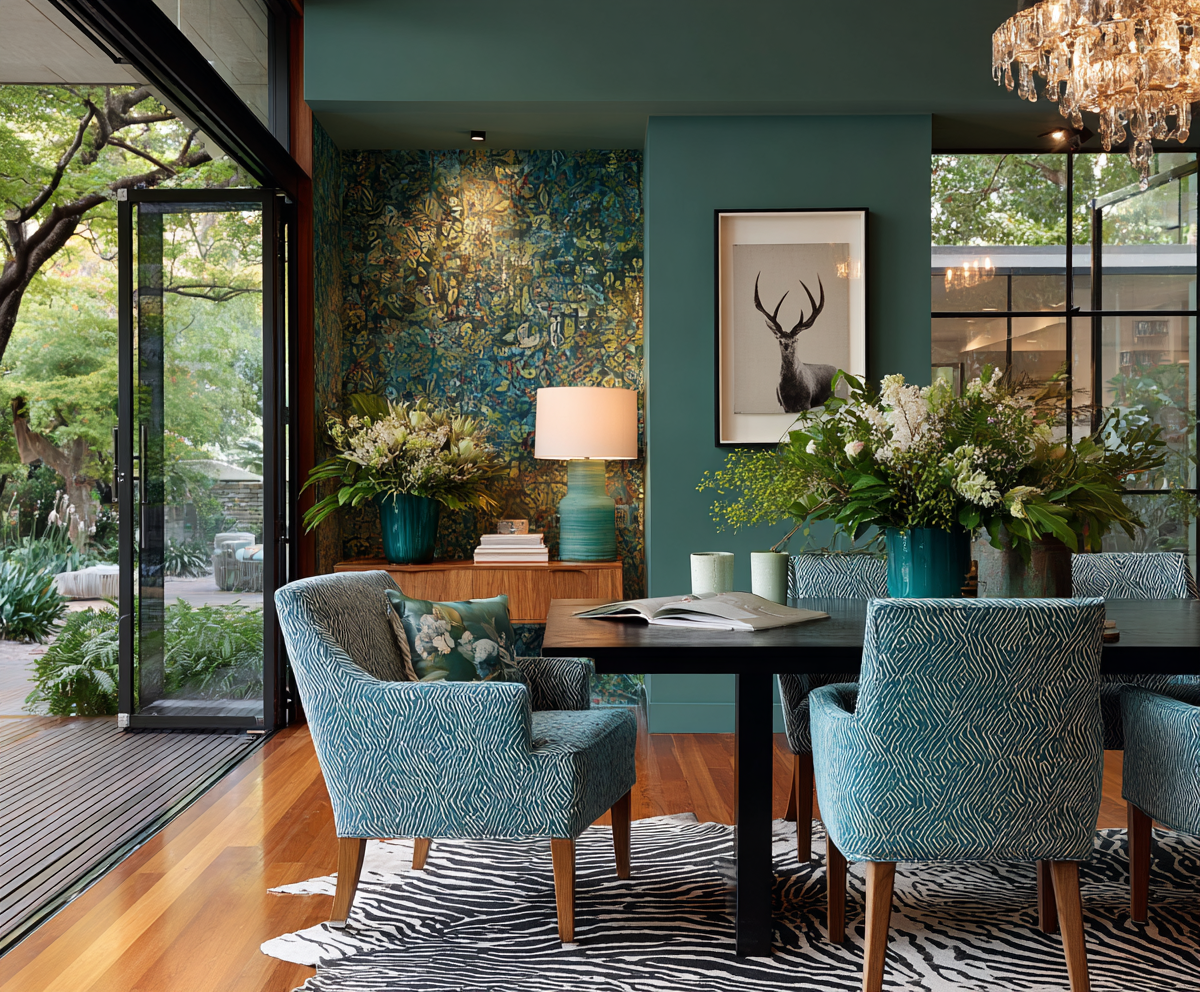
Plush Design Interiors uses AI‑generated imagery to help illustrate design concepts and possibilities in a fast, flexible and cost‑effective way. These images are inspirational visualisations only and may not represent final selections, exact colours, finishes or products available in Australia. All real‑world Plush Design Interiors work, including all design, specifications, selections and purchases, are curated by a human interior designer and are confirmed with clients using accurate samples, supplier information and detailed documentation before any work proceeds.
Design Power Session Now Available
Looking to elevate your home's interior design or renovate? You can be your own designer with expert guidance! Our professional two-hour DESIGN POWER SESSION is perfect for anyone wanting to greatly improve their home’s look, feel, functionality… and value!
In these personalised consultations, we cover everything you need for your home interior design, renovation, or styling project. Discuss topics like space planning, furniture selection, colour schemes, lighting, materials, and more. Our expert advice will help you make informed decisions and avoid costly mistakes.
Book your two consultation today and start turning your design dreams into reality. With the right plan and professional insights, you can create a beautiful and functional home that reflects your unique style.
Ready to get started? Contact us now to schedule your Design Power Session and unlock the potential of your home! Please also see our Services page.
FAQ’s on Pre-Renovation Advice
-
Before you start getting quotes or pulling up tiles, define your renovation goals and priorities so you know exactly what problems you are solving and why.
Clarifying your must-haves versus nice-to-haves keeps you focused and stops the project (and budget) from spiralling into “while we’re at it” chaos -
Start by researching ballpark costs for materials, labour, permits and professional fees, then add a 10–20% contingency for the “nasty surprises behind the walls”.
Be brutally honest about what you can afford and align the scope with your budget instead of hoping the builder’s quote will magically shrink. -
Yes, an interior designer can plan, design and document your renovation so you approach builders with a clear brief instead of a vague wish list.
This pre-renovation design work helps you avoid expensive changes on site, reduces misunderstandings and ensures the finished home actually functions the way you live. -
Many renovations require council approvals for structural changes, window and door alterations, major exterior updates and services like plumbing or electrical work.
Getting permits sorted before demolition protects you from fines, delays and the horror of having to rip out completed work. -
If your renovation affects key spaces like the kitchen or bathrooms, or involves serious structural work, temporary accommodation is usually the safest and sanest option.
Some homeowners can live on-site in an unaffected zone, but it requires careful planning for dust, access, safety and your own tolerance for chaos -
Go in expecting noise, dust and delays, then plan workarounds such as a mini temporary kitchen, clear circulation paths and strict no-go zones for kids and pets.
Regular communication with your designer and builder, plus a flexible mindset and contingency fund, turns “renovation nightmare” into “controlled disruption”. -
Lock in your key materials, finishes and fixtures during the pre-renovation planning phase so lead times and availability are accounted for in the build schedule.
Selecting quality, durable and aesthetically cohesive finishes up front avoids rushed decisions, backorders and compromises once trades are already on site. -
After practical completion, allow time for a detailed defects walk-through, final fixes, deep cleaning and then furnishing and decorating your new spaces properly.
A simple maintenance plan for surfaces, appliances and fixtures helps protect your investment and keeps your freshly renovated home looking sharp for years