
How To Navigate the Renovation Process: From Architectural Elements to Landscaping
After thorough pre-renovation planning, it's time to embark on the exciting journey of transforming your Adelaide home. The renovation process is where your vision begins to take shape, but it requires careful management and attention to detail to ensure success.
What does the renovation process actually involve, once planning is done?
Once pre-renovation planning is finished, the renovation process moves through five interlinked stages: resolving architectural elements (structural changes, heritage considerations, space planning), designing around how you actually live day to day, layering natural and artificial lighting, extending the plan outdoors through landscaping, and managing clear, documented communication with your contractor. Running these five stages in parallel — rather than dealing with each only as it comes up — is what keeps a renovation on schedule and inside budget. Most cost blowouts happen when one of these areas is left undecided until the builder is already on site.
This comprehensive guide will cover key aspects of the renovation process in Adelaide, including architectural elements, lifestyle considerations, lighting, landscaping, communication with contractors, and strategies for staying on track and within budget.
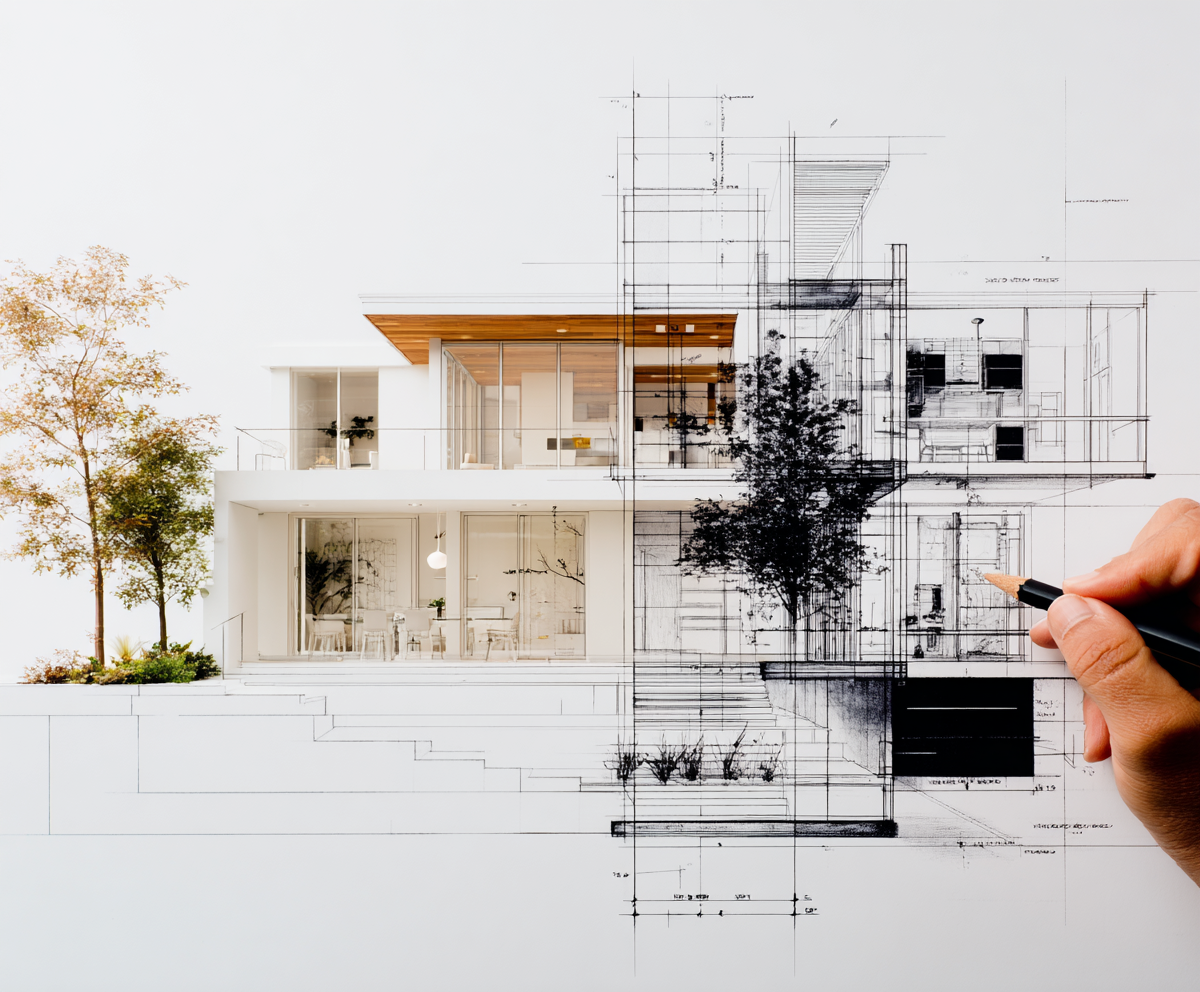

Navigate the Renovation Process In Adelaide (Without Getting Ripped Off )
After thorough pre-renovation planning, it is time to move from ideas on paper to real walls, wiring, joinery and landscape. This is the stage where design decisions, builder communication and budget management either work together beautifully or start quietly unravelling your renovation.
This renovation process guide walks you through architectural elements, lifestyle-led planning, lighting design, landscaping, and communicating with contractors so you can keep your project on track, protect your budget and end up with a home that feels intentional rather than accidental.
1. Understanding Architectural Elements
Step‑by‑step renovation guidance from a no‑vanilla Adelaide interior designer so you can plan, brief and manage your reno like a pro – before the builder touches a brick.
a. Structural Changes and Integrity
Architectural elements are the backbone of your renovation and the part where mistakes become seriously expensive to fix. Structural changes, such as removing or adding walls, need to be handled with precision. Ensure that:
Load-Bearing Walls: Consult with an architect or structural engineer before removing any walls to determine if they are load-bearing. Removing a load-bearing wall without proper support can compromise the integrity of your home. When you engage an interior designer early, important elements including space planning, glazing, joinery, and fixtures are considered as an integral part of the design, not a bolt-on later.
Foundation and Support: Any changes that affect the foundation, such as adding new rooms or levels, require careful planning and professional assessment to ensure stability and compliance with building codes.


b. Historical and Aesthetic Considerations
If your home has historical significance, preserving its architectural integrity while updating its functionality can be a delicate balance. Consider:
Original Features: Retain original features such as moldings, fireplaces, and windows where possible. These elements add character and value to your home.
Compatible Additions: Ensure that new additions or changes are in harmony with the existing architectural style. This might involve using similar materials or design elements.
c. Space Planning and Flow
Effective space planning is crucial for a functional and aesthetically pleasing home. Think about:
Open Floor Plans: Removing walls to create an open floor plan can enhance the flow and make your space feel larger and more connected.
Room Layout: Consider how you will use each room and arrange furniture accordingly. Functional zoning can help define areas within an open space.
Thinking Differently: An interior designer who thinks differently is a great asset because they can visualise concepts and solutions you may not have considered.
2. Lifestyle Considerations
Your lifestyle should inform your renovation decisions to ensure that the updated space meets your needs. Consider the following:
a. Daily Routines and Habits
Think about how your family uses each space on a daily basis:
Kitchen: If you love to cook, prioritise a spacious, well-equipped kitchen with ample storage and counter space.
Living Areas: Design living areas that accommodate your family's activities, whether it's watching TV, playing games, or entertaining guests.
b. Future Needs
Plan for future needs to make your renovation a long-term investment:
Growing Family: If you plan to expand your family, consider adding extra bedrooms or play areas.
Aging in Place: If you intend to stay in your home as you age, incorporate features like wider doorways, grab bars, and a first-floor bedroom and bathroom.
c. Personal Style
Your home should reflect your personal style and taste:
Design Consistency: Choose a design theme and stick to it throughout your renovation. Consistency in colour schemes, materials, and finishes creates a cohesive look.
Personal Touches: Incorporate elements that reflect your personality, such as unique lighting fixtures, custom cabinetry, or artistic wall treatments.


3. Lighting: Enhancing Ambience and Functionality
Lighting plays a critical role in the overall ambiance and functionality of your home. A well-thought-out lighting plan can transform your space:
a. Natural Light
Maximise natural light to create a bright and inviting atmosphere:
Windows and Skylights: Add or enlarge windows and consider installing skylights to increase natural light.
Light-Reflective Surfaces: Use light-coloured walls, mirrors, and glossy surfaces to reflect natural light and enhance brightness.
b. Artificial Lighting
Layered lighting ensures that your home is well-lit and functional:
Ambient Lighting: General lighting that provides overall illumination. This can include ceiling fixtures, chandeliers, or recessed lighting.
Task Lighting: Focused lighting for specific tasks such as cooking, reading, or working. Examples include under-cabinet lighting in the kitchen and desk lamps in a home office.
Accent (or Decorative) Lighting: Highlight architectural features, artwork, or decor with accent lighting like wall sconces, track lighting, or spotlights.
c. Smart Lighting Solutions
Incorporate smart lighting technology for convenience and energy efficiency:
Automated Controls: Use smart switches or systems to control lighting remotely and set schedules.
Energy Efficiency: Choose LED bulbs and fixtures for long-lasting, energy-efficient lighting.


4. Landscaping: Extending Your Renovation Outdoors
A comprehensive renovation plan should include your outdoor space. Well-designed landscaping can enhance your home's curb appeal and create functional outdoor areas:
a. Hardscaping
Hardscaping elements define outdoor spaces and provide structure:
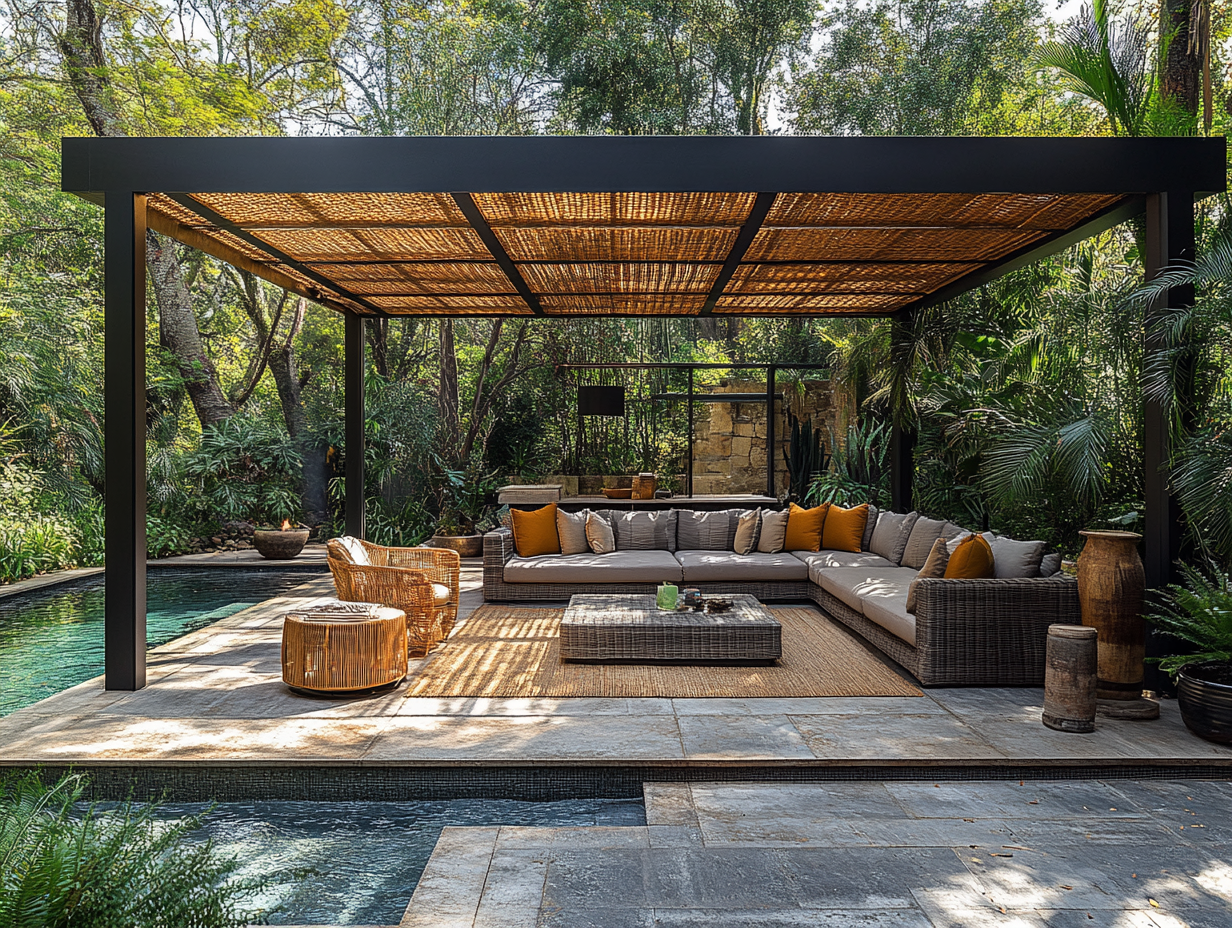
Patios and Decks: Create outdoor living areas with patios or decks. Consider materials like stone, wood, or composite decking.
Walkways and Driveways: Design pathways that guide visitors through your garden and provide easy access to your home.
b. Softscaping
Softscaping involves plants, trees, and lawns that add beauty and life to your outdoor space:
Garden Beds: Design garden beds with a mix of perennials, annuals, and shrubs for year-round interest.
Trees and Hedges: Plant trees for shade and privacy, and use hedges to define boundaries and create natural screens.
c. Outdoor Living
Create functional outdoor living areas to extend your living space:
Outdoor Kitchens: Install an outdoor kitchen with a grill, sink, and counter space for entertaining.
Fire Pits and Seating: Add a fire pit or outdoor fireplace and comfortable seating for cozy gatherings.
Lighting: Use outdoor lighting to illuminate pathways, highlight landscaping features, and create ambiance.

5. Communicating with Contractors
Effective communication with your designer AND contractor is essential for a successful renovation. Establish clear expectations and maintain open lines of communication throughout the project:
a. Initial Meetings and Contracts
Detailed Contracts: Ensure that your contract includes a detailed scope of work, timelines, payment schedules, and any warranties or guarantees.
Clear Expectations: Discuss your expectations, including quality standards, daily working hours, and site cleanliness.
b. Regular Updates and Meetings
Scheduled Meetings: Set up regular meetings with your designer and contractor to review progress, address any concerns, and make decisions.
Progress Reports: Request regular updates on the status of your project and any potential issues or delays.
c. Handling Issues and Changes
Problem Resolution: Address any issues or concerns promptly with your contractor. Effective communication can help resolve problems quickly.
Change Orders: Document any changes to the scope of work in writing and understand how they will affect the timeline and budget.

6. Keeping the Renovation on Track and on Budget
Staying on track and within budget requires careful planning and ongoing management. Here are some strategies to help you achieve this:
a. Renovation Planning Guide
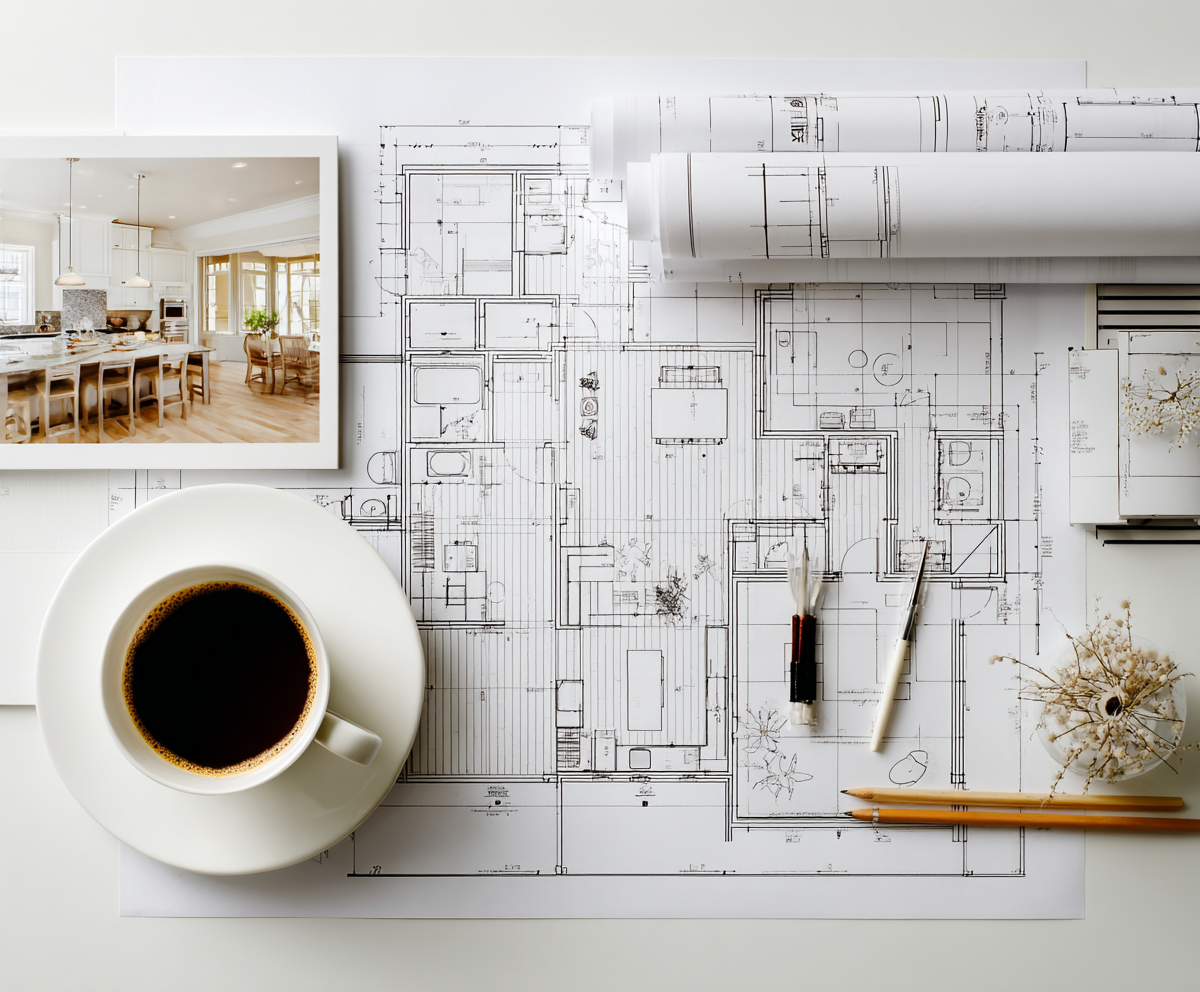
Comprehensive Plans: Develop detailed plans for each phase of the renovation, including materials, labor, and timelines.
Contingency Planning: Allocate a contingency fund for unexpected expenses and plan for potential delays.
b. Avoid Renovation Budget Blowouts
Track Expenses: Keep a detailed record of all expenses and compare them to your budget regularly.
Avoid Changes: Minimize changes to the scope of work once the project has started to avoid additional costs and delays.
c. Monitoring Progress
Site Visits: Visit the site regularly to monitor progress and ensure that work is being completed to your satisfaction.
Quality Control: Check that materials and workmanship meet the agreed-upon standards.
d. How To Manage Builders and Contractors
Documentation: Keep all contracts, receipts, permits, and other important documents organized and accessible.
Communication: Maintain clear and consistent communication with your contractor, designer, and any other professionals involved in the project.
Successfully Navigate The Renovation Process
The renovation process is an intricate journey that transforms your vision into reality. By understanding and addressing architectural elements, considering lifestyle needs, planning effective lighting, extending your renovation outdoors, maintaining clear communication with contractors, and implementing strategies to stay on track and within budget, you can navigate the complexities of renovation successfully.
Remember, a well-executed renovation not only enhances the functionality and aesthetics of your home but also adds value and creates a space that truly reflects your lifestyle and personality. Embrace the process with careful planning, attention to detail, and a flexible mindset, and you will achieve a beautifully renovated home that meets your needs and exceeds your expectations.
Good design isn’t luck. It’s decisions—made early and made well.
The best time to get professional input on your renovation was before you booked the builder. The second best time is right now.
If you’re planning a renovation or interior project, this is where it all clicks.
In your 2-hour Design Power Session, we’ll:
Refine your layout for function and flow
Review plans, selections, and ideas
Give you clear, expert direction moving forward
Available in Adelaide or via Zoom.
$528 incl. gst — often the difference between a good outcome and a great one.
No obligation. Just a smarter starting point.
Secure your session and move forward with confidence
Love, Penelope xx - Interior Architect and Interior Designer Adelaide Hills
Don’t Get Ripped Off By Your Reno
I have written a renovation planning guide to help you with pre-renovation advice and to avoid renovation budget blowouts.
Many people may not realise how important a qualified interior designer is to the renovation process. As an Adelaide home renovation designer, my new e-book ‘Don’t Get Ripped Off By Your Reno’ tells you step-by-step how to manage designers, builders, and budgets so you are in the driving seat of your own home renovation.
FAQ’s for Navigating The Renovation Process
-
The first step in a home renovation is not demolition – it’s a documented brief, budget and scope. A solid brief spells out how you live, what’s not working, and what “done” actually looks like, in writing. Your budget range then keeps every decision anchored in reality, while a defined scope (what’s in vs what’s out) stops random extras sneaking in later and blowing everything up.
-
To avoid getting ripped off, start with a clear written brief, then get comparative quotes based on the same information, not vague verbal chats. Insist on a fixed inclusions schedule (exact products, finishes and quantities) and make sure every change is a written variation with price and time impact signed off before anyone lifts a hammer.
-
An interior designer is the person who turns “vibes” into a documented, buildable plan, which is exactly what Plush Design Interiors does for renovations. That means space planning and layout, joinery and furniture placement, material and fixture selections, plus the documentation your builder and council actually need to approve and price the job properly. On site, a designer becomes your advocate – translating builder‑speak, flagging issues early and helping you make fast, aligned decisions so the project stays cohesive, beautiful and far less stressful.
-
For a quality renovation, expect roughly $3,000–$5,000 per square metre, more if you’re going full custom glam or moving walls and services. The real danger zone is not knowing your finish level and scope, which is where costs (and tears) explode
-
Yes, but it’s not exactly spa‑day chic: you’ll need a dust‑free sanctuary zone, temporary kitchen/bath set‑ups and realistic expectations about noise and mess. For major renos, short‑term relocation during demolition and wet‑area works can save your sanity and your relationship
-
Lock down a detailed brief, drawings and selections before you get quotes, then insist on a fixed‑price contract with written variations only. Add a 15–20% contingency and resist mid‑reno “while you’re here” changes if you want your budget to survive.