
The Display Home Trap: Why Your $720,000 Adelaide New Build Already Looks Like Every Other House on the Street
You fell in love with a display home. You’re not getting that house. Let’s talk about what you’re actually getting — and the six decision windows nobody told you about.
Display homes are fully upgraded sales tools — almost nothing you loved in the display comes standard in your contract. The stone benchtop, pendant lighting, floor-to-ceiling tiles and engineered timber floors are all upgrades with separate price tags. New build buyers have six key decision windows where an interior designer can add genuine value: during tender, at the upgrade appointment, when selecting electrical and lighting, when specifying joinery, when choosing flooring, and before signing off on the colour selection. Miss these windows and you'll spend the next decade in a home that looks identical to your neighbours'.
The Moment You Fell in Love
You walked into the display village on a sunny Saturday. You touched the stone benchtop. You ran your hand along the engineered timber floors. You stood in the master suite with its pendant lighting and floor-to-ceiling tiling and thought, this is it — this is my home.
Eighteen months later, you’re standing in your hallway — the one with the flimsy security door, the builder-grade laminate flooring, and the grid of downlights on a single circuit — and you’re wondering why your $720,000 home looks exactly like your neighbour’s. And the one three doors down. And the one around the corner.
Here’s the uncomfortable truth: you were never buying that display home. You were buying the idea of it. The display home is a fully upgraded sales tool — designed to make you fall in love, sign on the dotted line, and then slowly discover that almost everything you loved was an extra.

The Grant Funnel
In South Australia, the numbers make the decision for you. The $15,000 First Home Owner Grant applies to new builds only. Stamp duty has been completely abolished for eligible first home buyers purchasing new homes — a saving of $26,000 or more on a $600,000 purchase (SA Revenue Office).
With Adelaide’s entry-level house price now sitting at $720,000 — up 20% in a single year (NAB Adelaide Property Market Update, Feb 2026) — first home buyers are almost exclusively funnelled into new builds. That means display villages. That means volume builders. And that means you’re stepping into a system designed to move you through a pipeline, not to design you a home.
What the Display Home Actually Is
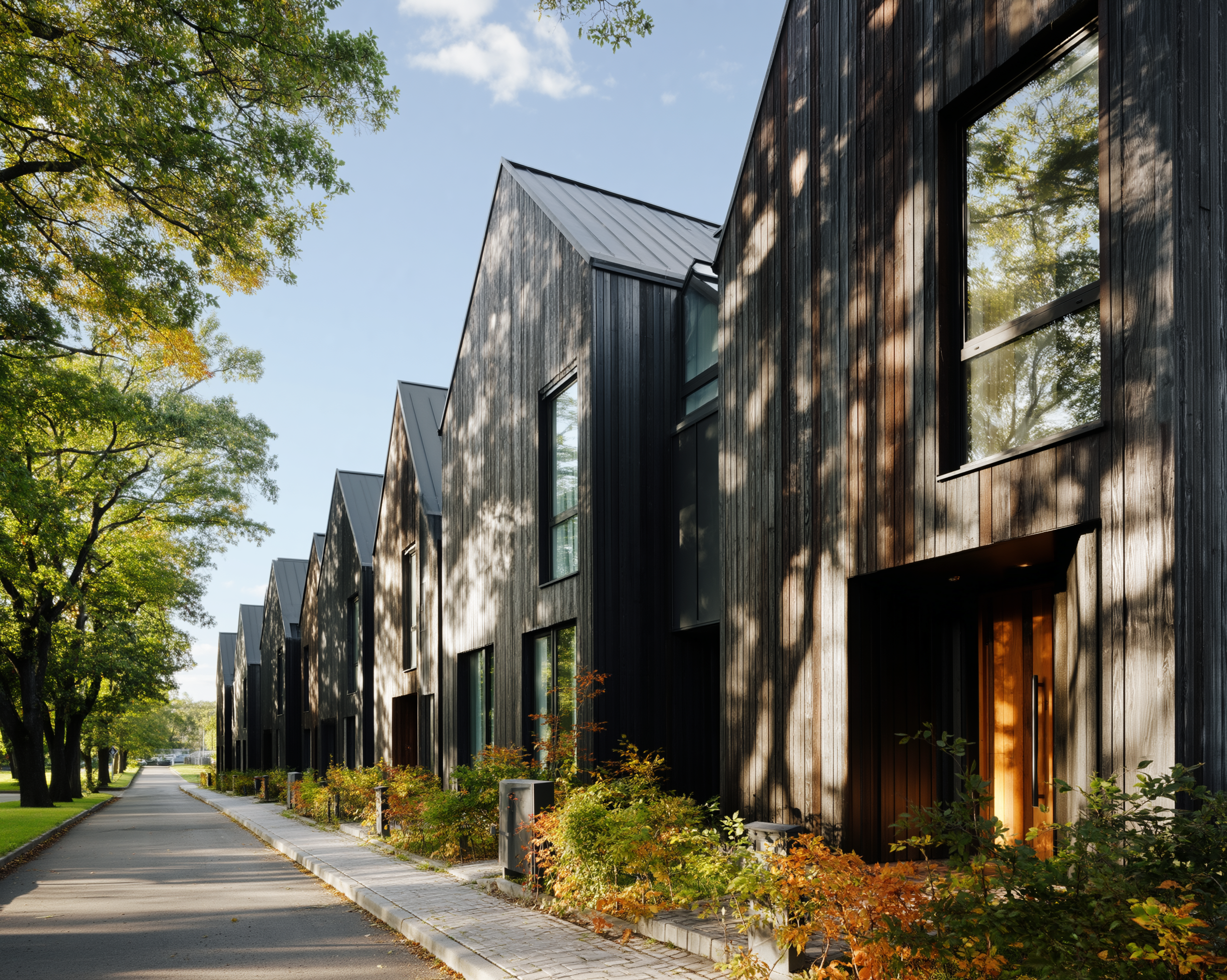
A display home is a marketing asset. Every single one includes upgrades that are not part of the standard inclusions. Stone benchtops, engineered timber flooring, premium tapware, upgraded cabinetry hardware, feature lighting, window furnishings, landscaping — none of it is standard. But here’s the kicker: they’re not labelled as upgrades. Most buyers have no idea what’s included and what’s extra until well after they’ve signed the contract.
Volume builder entry-level builds in Adelaide run between $1,800 and $2,500 per square metre. For a 220 m² home, that’s a construction cost of $396,000 to $550,000 — for standard inclusions only. Want that stone benchtop? Add $5,000–20,000. Engineered timber throughout? Another $5,000–20,000. Premium tapware, upgraded hardware, feature lighting? Each upgrade carries the same price tag. The display home you fell in love with can cost $100,000 or more above the base price.

The Colour Selection Ambush
Let’s talk about that colour selections appointment, because it deserves its own spotlight. Builders offer pre-curated “colour themes” — Ink, Mod, Raw, Zen, Air, Tan — where you pick a palette and every element in the home comes from that palette. Mixing is usually not permitted. Deviation always costs money.
You’re a first home buyer who has never selected a tile, a benchtop, or a tap in your life. You’re given 2–3 hours under fluorescent lights with a “colour consultant” who is employed by the builder, trained to upsell within the builder’s own supplier range, and incentivised to keep the appointment moving. They have no design brief from you. They don’t know how you live, what you value, or what you want your home to feel like. They’re matching tiles to a catalogue. That is not design. That is administration.
The Design Gap: Colour Consultant vs. Interior Designer
A builder’s colour consultant and an interior designer are not the same thing — not even close. The consultant defaults to safe, neutral selections because it’s faster and less likely to generate complaints. The result? Another greige kitchen. Another beige hallway. Another home where the only personality is the pot plant from Bunnings.
An interior designer starts with you — your lifestyle, your aesthetic, your daily rituals. They build a design brief before selections happen. They attend the colour appointment with you, or better yet, they prepare you beforehand so you walk in knowing exactly what you want. They work across suppliers, not just the builder’s catalogue. They understand how materials interact under real lighting — not fluorescent showroom tubes. They turn a $720,000 purchase into a home that actually looks and feels like yours.
What’s Almost Never Included as Standard
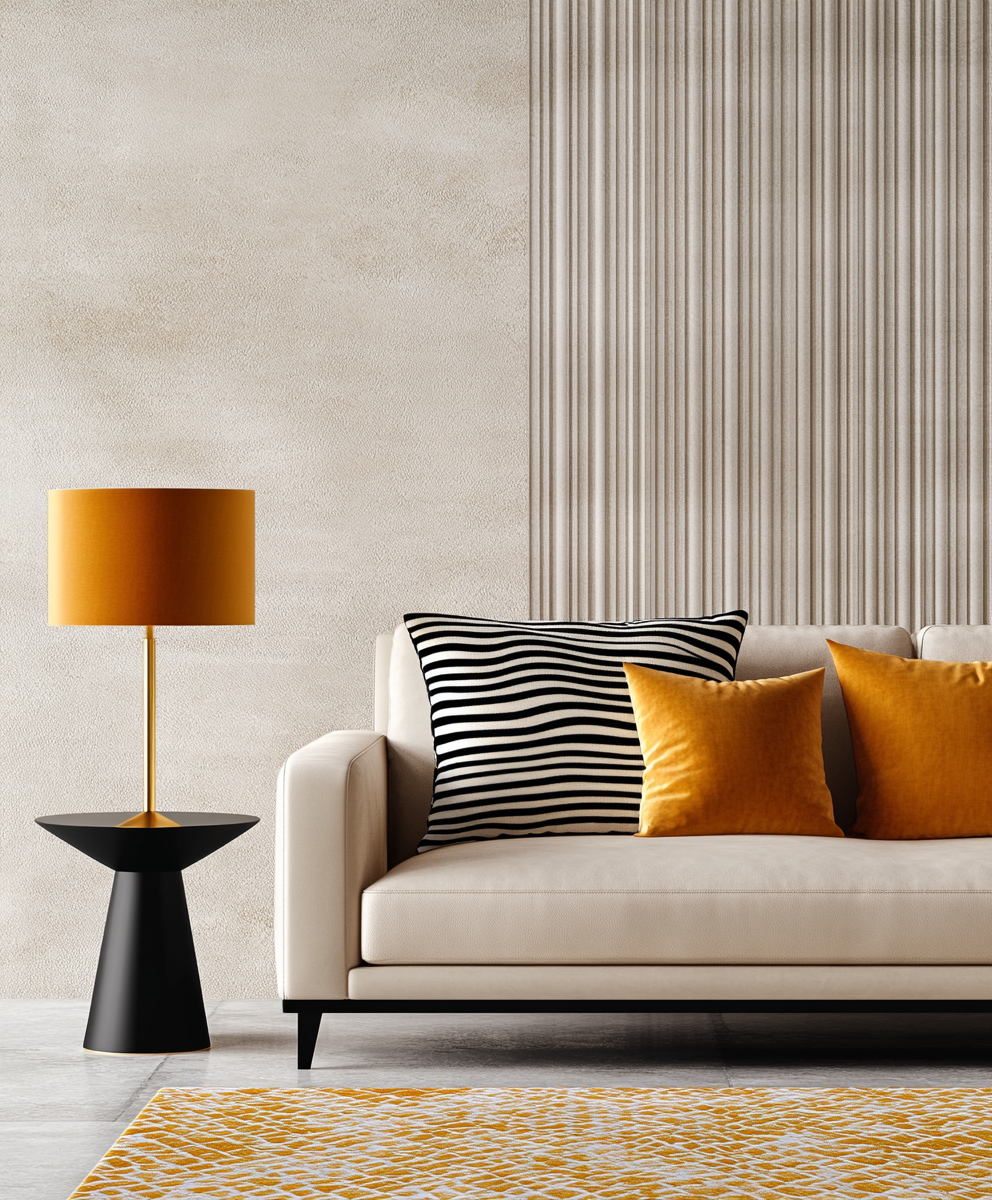
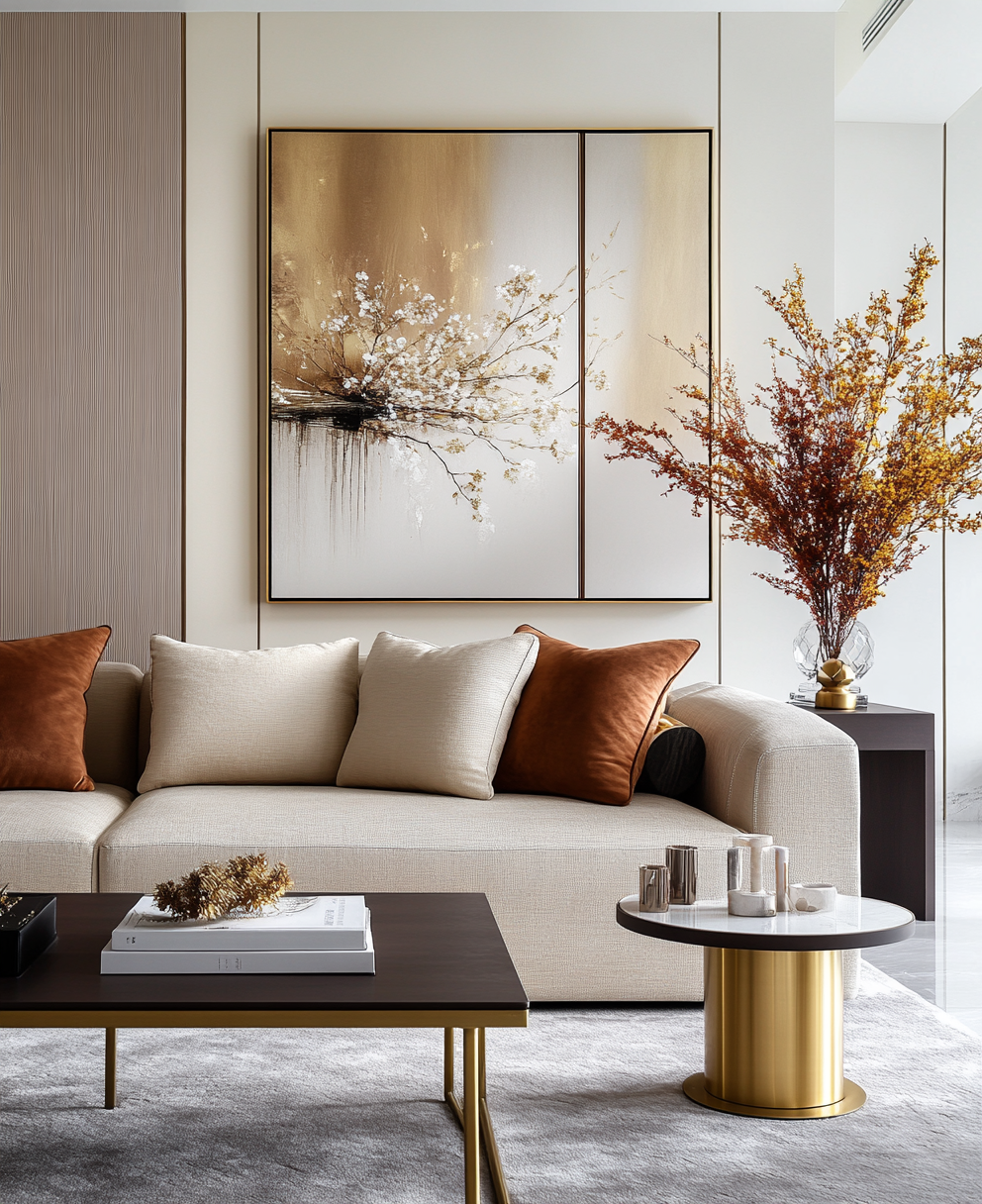
Just so we’re painfully clear, the following items are almost never included in a standard volume builder package: curtains and blinds, pendant lighting, stone benchtops, a driveway, landscaping, smart home wiring, solar panels, window hardware, and feature tiles. If the display home had it and you loved it — check your contract. It’s probably not in there.
What You Can Do About It
If you’re about to build, or you’re already in the early stages, you have options — but only if you act before those decision windows close. A Design Power Session gives you a clear design brief, a materials strategy, and a decision-by-decision roadmap so you walk into every appointment knowing exactly what you want — and what’s worth paying for.
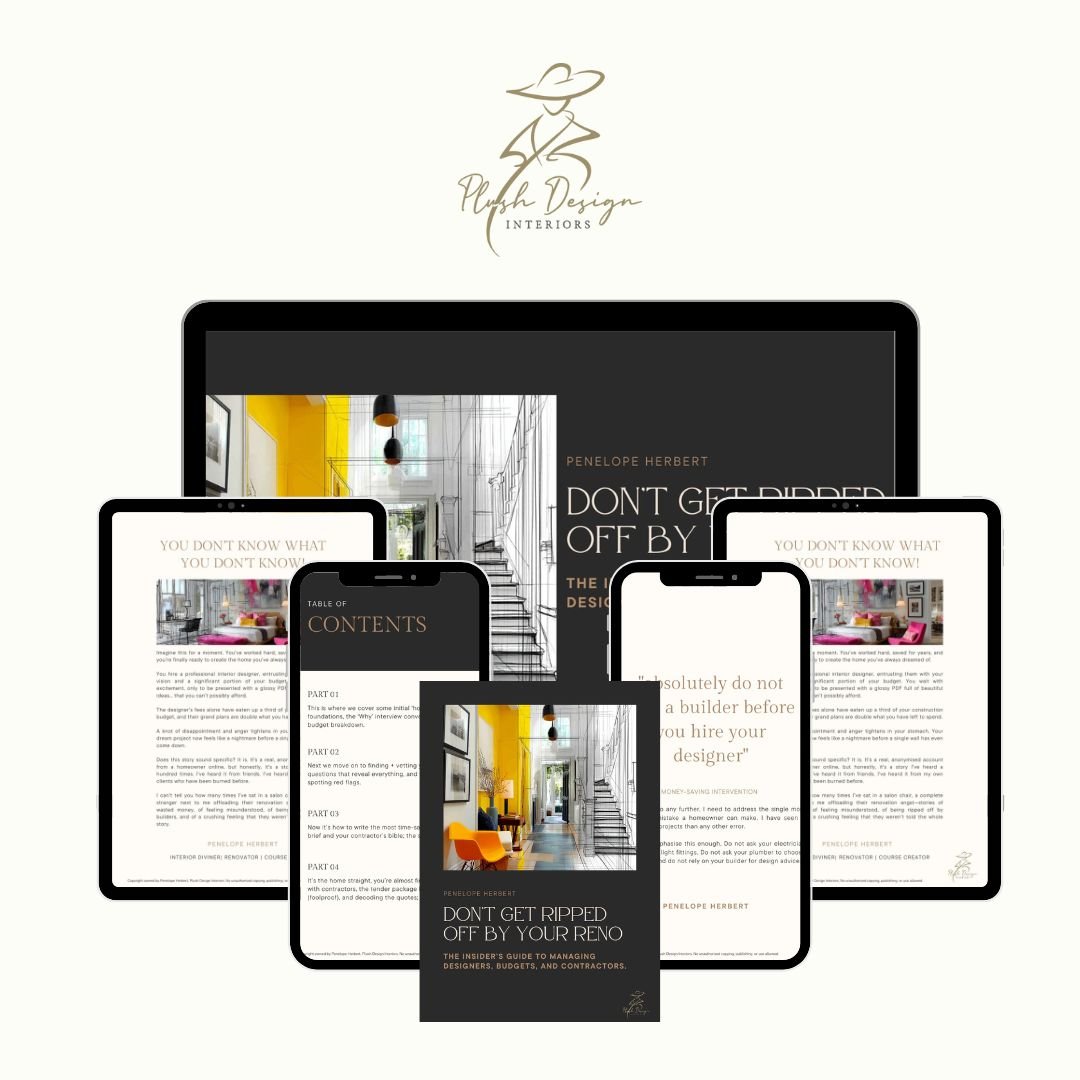
And if you want to understand the real costs before you sign anything, download Don’t Get Ripped Off By Your Reno — it’s the e-book every new builder should read before their first site meeting.
If You Scrolled Too Fast
The display home is a fully upgraded sales tool. Standard inclusions are builder-grade basics — laminate benchtops, basic carpet, hollow-core doors, greige cabinetry.
SA’s $15,000 grant and stamp duty exemption apply only to new builds — funnelling first home buyers directly into display villages and volume builder packages.
There are six critical decision windows during a build. Miss one, and the opportunity closes permanently. Nobody hands you a calendar.
The colour selections appointment is a design ambush: 2–3 hours, fluorescent lights, a builder-employed consultant, and a first home buyer making every finish decision for their entire home.
A colour consultant is not an interior designer. One matches tiles to a catalogue. The other builds a home around a person.
A Design Power Session before your build starts gives you a design brief, a materials strategy, and the confidence to walk into every appointment knowing what you actually want.
Love, Penelope xx - Interior Architect and Interior Designer
About to sign a new build contract or heading to an upgrade appointment?
A Design Power Session before you commit can save you tens of thousands — by telling you which upgrades are worth every cent and which ones you can do better and cheaper elsewhere.
Author of ‘Don’t Get Ripped Off By Your Reno’ and ‘A Home With A Pulse’. Both available on my e-book interior design and renovation resources page on my website.
Plush Design Interiors uses AI‑generated imagery to help illustrate design concepts and possibilities in a fast, flexible and cost‑effective way. These images are inspirational visualisations only and may not represent final selections, exact colours, finishes or products available in Australia. All real‑world Plush Design Interiors work, including all design, specifications, selections and purchases, are curated by a human interior designer and are confirmed with clients using accurate samples, supplier information and detailed documentation before any work proceeds.
FAQ’S - The Display Home Trap
Q1: What is included in a standard new build home in Adelaide?
Standard inclusions in most Adelaide volume builder packages cover builder-grade laminate benchtops, basic carpet, hollow-core internal doors, a grid of downlights on a single circuit, white or off-white paint, and cabinetry in the builder’s default neutral colour. Items such as stone benchtops, engineered timber flooring, pendant lighting, window furnishings, landscaping, solar, smart home wiring, and driveways are almost never included as standard.
Q2: What is the display home trap and how do I avoid it?
The “display home trap” refers to the practice of volume builders showcasing fully upgraded display homes in display villages without clearly labelling which features are standard and which are paid extras. To avoid it, request a written list of standard inclusions before signing your contract, visit the display home with that list in hand, and engage an independent interior designer to review your selections before your colour appointment.
Q3: How much does it cost to build a house in Adelaide in 2026?
Entry-level volume builder homes in Adelaide cost between $1,800 and $2,500 per square metre in 2026. For a typical 220 m² home, that’s a construction cost of $396,000 to $550,000 for standard inclusions only. Upgrades such as stone benchtops, engineered timber flooring, and premium tapware can each add $5,000 to $20,000 to the total, and the average Adelaide entry-level house price is now $720,000 including land (NAB, Feb 2026).
Q4: What is the first home buyer grant in South Australia for 2026?
South Australia’s First Home Owner Grant provides $15,000 in cash for eligible first home buyers purchasing or building a new home. Additionally, stamp duty has been completely abolished for eligible first home buyers of new homes, saving approximately $26,000 or more on a $600,000 purchase. Both incentives apply to new builds only, which is why most SA first home buyers end up with volume builders (Hunter Galloway).
Q5: What happens at the colour selections appointment for a new build?
The colour selections appointment is typically a single 2–3 hour session at a supplier showroom where you choose every internal and external finish for your home: flooring, cabinetry colours, benchtop material, tiles, tapware, door styles, hardware, and paint colours. The session is run by the builder’s colour consultant, who works from the builder’s pre-approved supplier range. Many builders use pre-curated palettes (e.g., Fairmont Homes’ Ink, Mod, Raw, Zen, Air, Tan themes) where mixing is not permitted.
Q6: What is the difference between a builder’s colour consultant and an interior designer?
A builder’s colour consultant is employed by the builder and selects finishes exclusively from the builder’s pre-approved supplier range. They work without a design brief and are trained to move through selections efficiently. An interior designer works independently for the homeowner, creates a personalised design brief based on the client’s lifestyle and aesthetic preferences, sources materials from any supplier, and ensures all selections work cohesively under real lighting conditions — not fluorescent showroom lighting.
Q7: Do I need an interior designer for a new build project home?
While not mandatory, an interior designer can save you significant money and regret on a new build. They help you navigate the critical decision windows — from plan stage through to lock-up — prepare you for the colour selections appointment, identify which upgrades are worth paying for, and ensure your home has a cohesive design rather than a collection of isolated default choices. For Adelaide first home buyers spending $720,000 or more, professional design guidance is a small investment against a very large purchase.
Q8: What upgrades are worth paying for in a new build Adelaide home?
The highest-impact upgrades in an Adelaide new build include stone benchtops (durability and resale value), engineered timber or hybrid flooring (warmth and longevity versus builder-grade carpet), feature lighting on separate circuits (ambience and functionality), upgraded cabinetry hardware (daily usability), and smart home pre-wiring at pre-start stage (low cost now versus expensive retrofit later). Prioritise upgrades that are difficult or impossible to retrofit after construction is complete.