
Why Interior Design Is the Couture of Construction
If couture defines the garment, design defines the home. It’s time to stop treating interior design in Adelaide as decoration, and start seeing it as the blueprint for how you’ll live and feel every day.
Interior design is the couture of construction — the part that determines how a space will feel to live in, not just how it will look in a photograph. When brought in at the beginning of a project, a designer resolves layout, light, flow, materials and function before a builder prices anything. When brought in after walls are up and plans are stamped, a designer becomes a paramedic — fixing what's already been decided rather than shaping what's possible. The most expensive interior design mistake in Adelaide is treating it as decoration that comes after construction rather than the intelligence that drives it.
Fluff Has Left the Building! Why You Need A Design-Led Renovation.
Let’s start with a truth bomb: interior design is not a soft‑furnishings sideshow. It’s the beating heart of every successful build — the couture of Adelaide construction. Yet time and again, I meet clients in Adelaide who call a designer only after their walls are up, plans stamped, and budgets blown. At that point, I’m the paramedic, not the partner.
This misunderstanding isn’t just unfortunate; it’s expensive, stressful, and limits the potential of what a home could be. Interior design should lead the conversation, because design doesn’t simply make rooms look good — it makes them work beautifully.

Couture vs Construction: The Art and the Pattern
Think couture. Each garment starts with a vision. The designer studies the body, the lifestyle, the movement. Every seam follows function — grace engineered through precision. That’s exactly how interior designers approach your home.
We don’t pick fabrics for fun; we translate you into space. Your personality becomes scale, your rhythm becomes flow, your wellbeing becomes wall placement. Construction then breathes life into that blueprint, just as the couturier’s needle brings shape to cloth.
Ignoring design until after the build is like trying to tailor a suit once the fabric’s already cut — wasteful and rarely flattering. Homes in Adelaide deserve the same bespoke treatment you’d expect from a beautifully made outfit.
Is Interior Design A Lifestyle Strategy?
When done right, Adelaide interior design is lifestyle architecture — the planning language between how you live and what your space enables.
Design defines:
How you use your time at home. Every movement from morning coffee to evening wind‑down has spatial choreography.
Your sensory wellbeing. Light, acoustics, colour, and flow affect mood, performance, and health.
Your energy balance. Spaces can deplete or restore you depending on layout, materials, and intention.
Your future flexibility. Thoughtful design anticipates evolving lifestyles, especially around family, work, and ageing.
Rethinking design as strategy transforms it from beige afterthought to wellness infrastructure. It’s your home’s nervous system — invisible but vital.
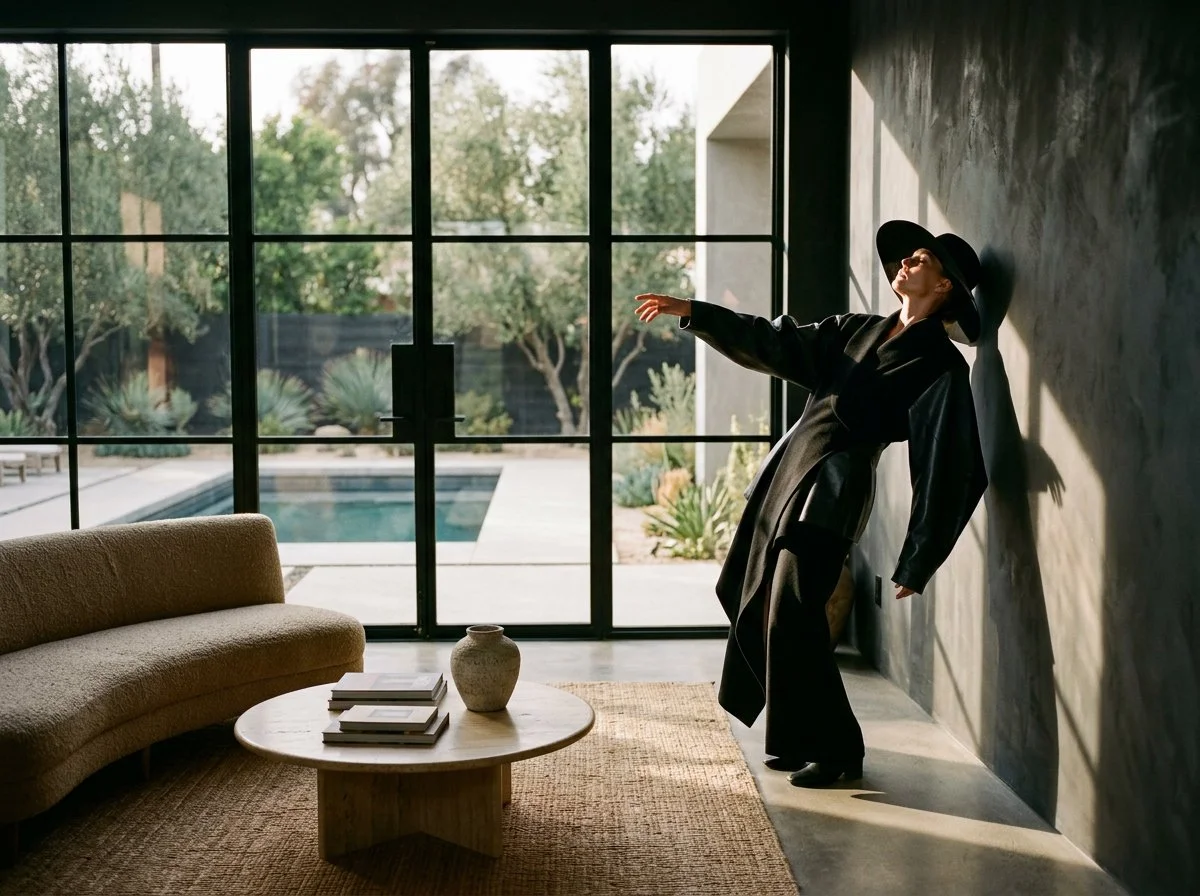
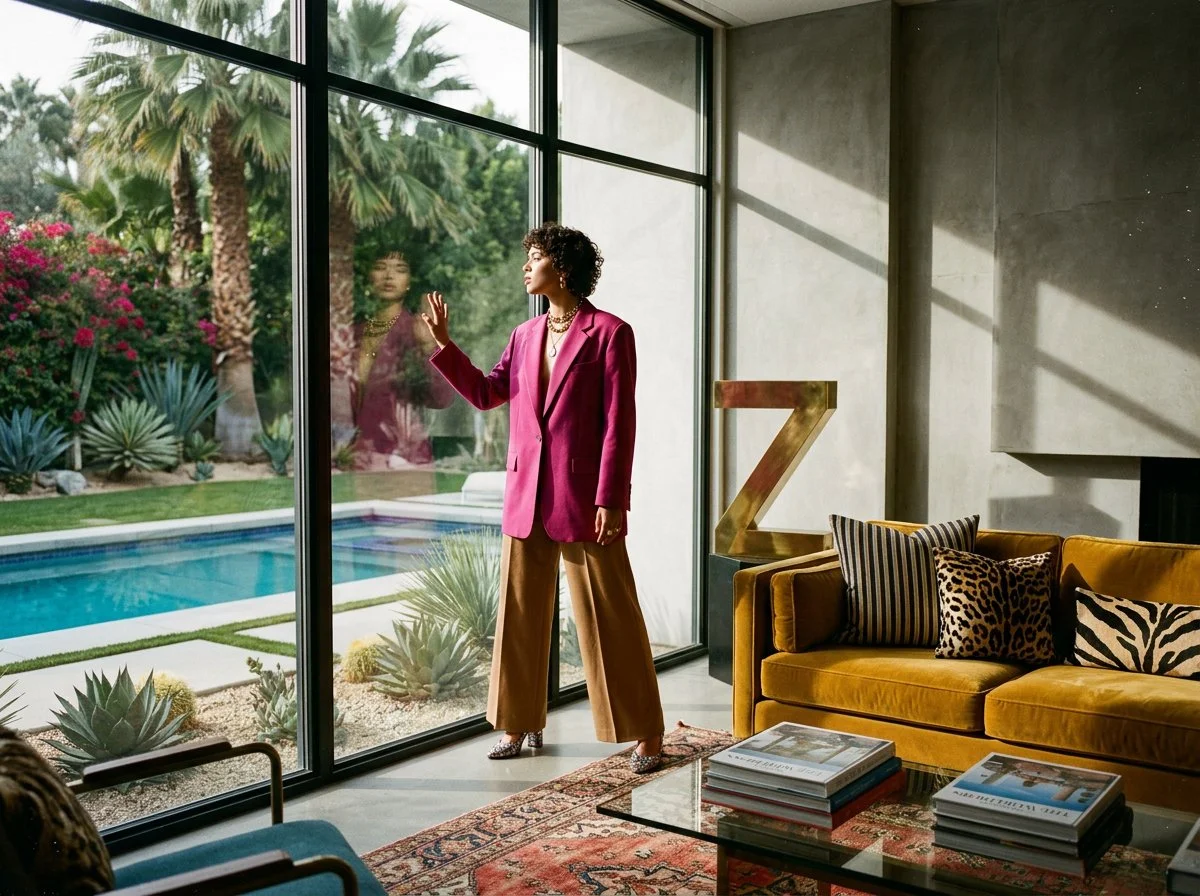
What Are The Economics of ‘Design First’?
Let’s get pragmatic. Designer before builder! Builders construct what’s drawn. If the drawings are vague, last‑minute, or purely architectural without interior intent, clients end up making dozens of costly revisions on site.
Design‑led builds save money through:
Clarity before construction. Every centimetre is considered — no guesswork for trades or mid‑build panic.
Eliminating change orders. Rushed selections lead to mistakes; well‑coordinated design documents keep costs consistent.
Visualising before committing. Drawings, 3D models, and moodboards mean you know what you’re getting long before you’re invoiced for it.
When interior design leads, builders work efficiently, trades are coordinated, and homeowners don’t haemorrhage budget through indecision. Calling an Adelaide interior designer first isn’t indulgent — it’s intelligent renovation planning.
What Is The Emotional ROI of Thoughtful Design?
Beyond practicality lies emotion. Design dictates how you feel inside your home — whether you exhale at the door or feel quietly agitated without knowing why.
Consider how:
Spatial flow mirrors mental flow. A cluttered plan equals a cluttered mind.
Natural light supports circadian balance.
Material texture connects you sensorially to comfort and calm.
Colours regulate energy, focus, and creativity.
When design anticipates emotional needs, it becomes daily therapy disguised as a floor plan. That’s how we nurture not just homes, but humans.
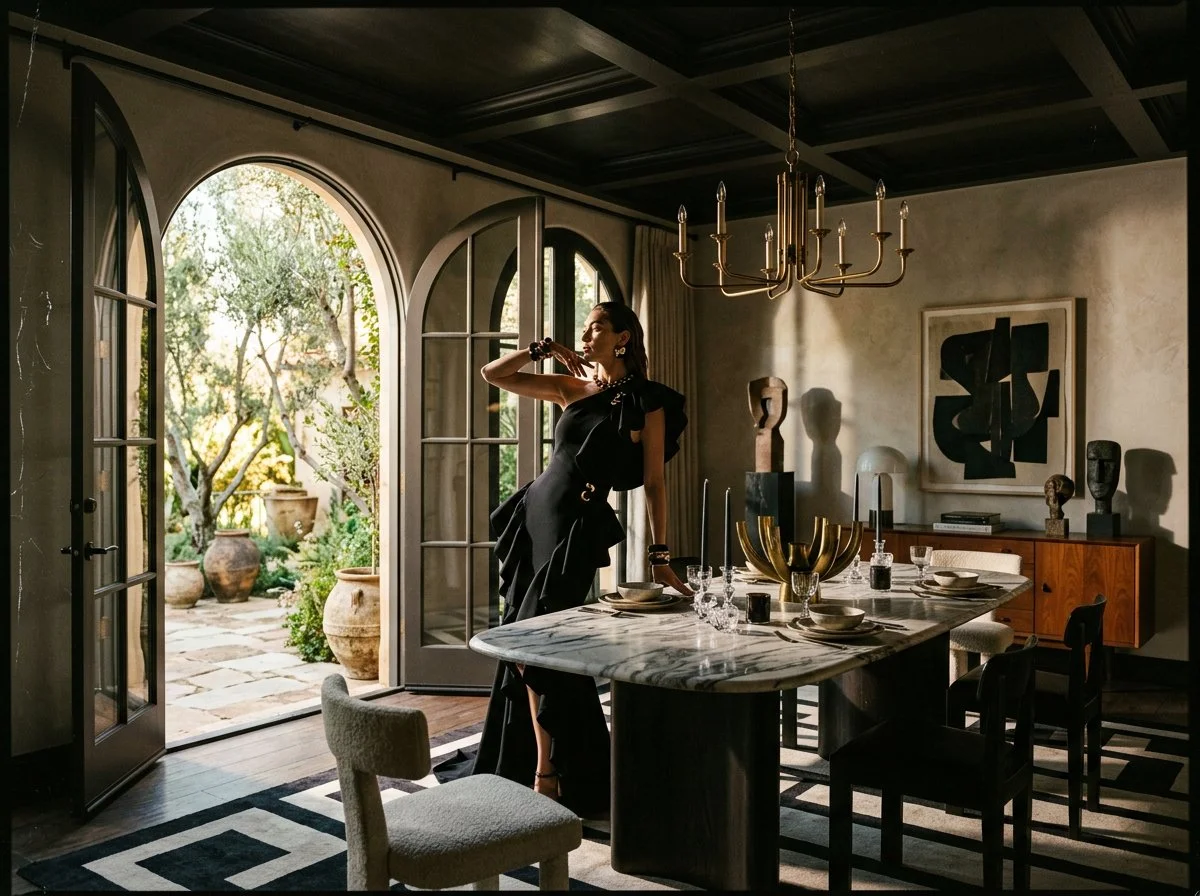
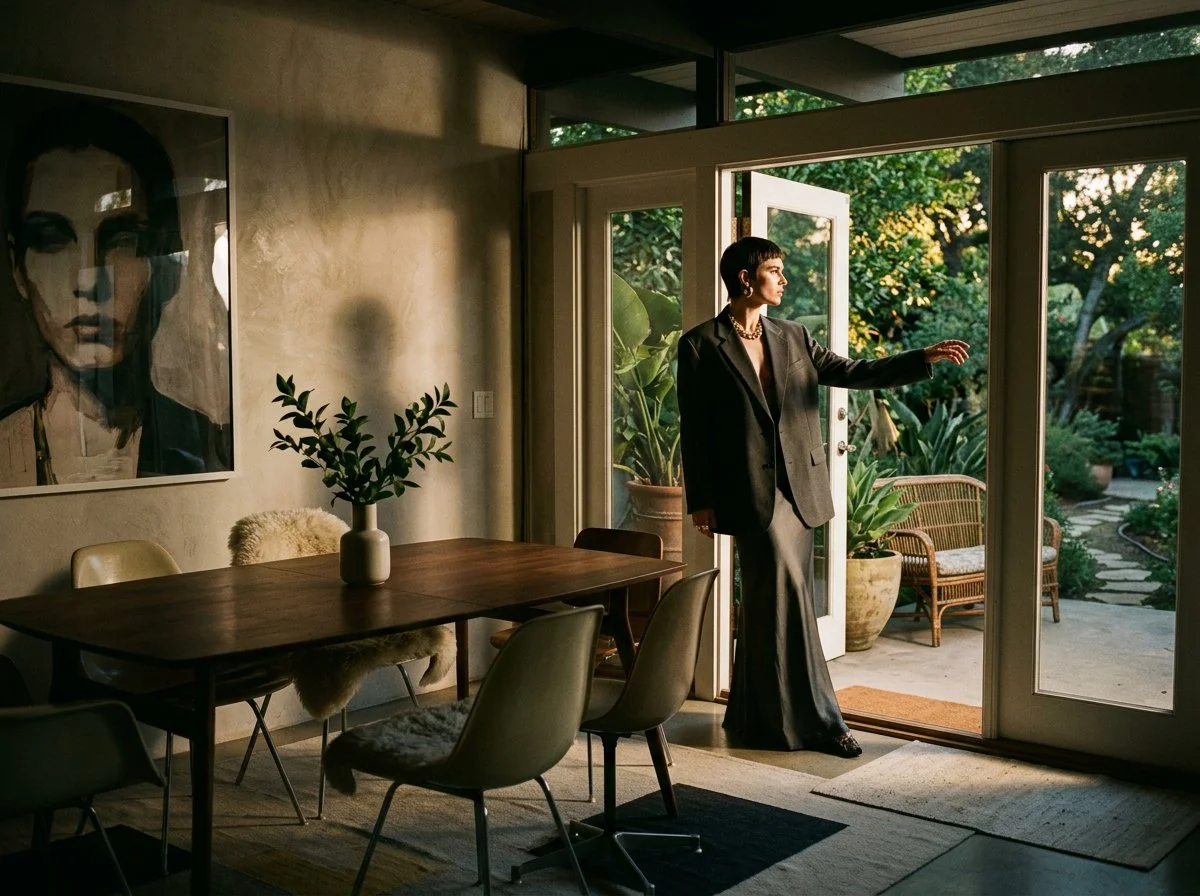
Is ‘Decor’ A Dirty Word Now?
Somewhere along the line, “interior design” became associated with fluff. It’s been reduced to throw cushions, drapery, and influencer‑approved paint colours. Lovely, sure — but low‑stakes stuff.
Here’s the truth: those styling layers are the punctuation marks at the end of a powerful, structured story. Without narrative, they’re meaningless. A scatter cushion can’t fix poor ergonomics, bad lighting, or spatial confusion.
When you hire an interior designer only after the plaster’s dry, you’ve missed the story arc entirely. The benefit of design-first building is very real and something I urge you to consider for your next renovation or new build in Adelaide.
How Does Interior Design Affect Preventative Wellness?
Lifestyle interior design touches everything from mental health to household harmony. A well‑planned kitchen layout prevents daily friction; a functional laundry makes chores lighter; properly tuned lighting supports better sleep. Multiply that across your home and you’re designing wellbeing itself.
It’s no coincidence that modern medicine now acknowledges “built environment” as a wellness factor. Interior design is essentially environmental psychology made tangible. It doesn’t just look pretty — it heals. As an Adelaide interior designer, health and wellbeing in design is integral to my work.
Collaboration: Designer, Builder, Client – The Holy Trinity!
Design isn’t the domain of egos. The best outcomes happen when designer and builder collaborate from project inception.
An ideal sequence:
Briefing & lifestyle discovery. The interior designer extracts the story behind how you want to live.
Concept & space planning. Function meets form; light, energy, and sensorial cues are established.
Architectural collaboration. Designer refines the plan for coherence and construction efficiency.
Builder consultation. Cost alignment and methods are coordinated long before excavation.
This triangle of communication ensures aesthetic excellence and structural sense.
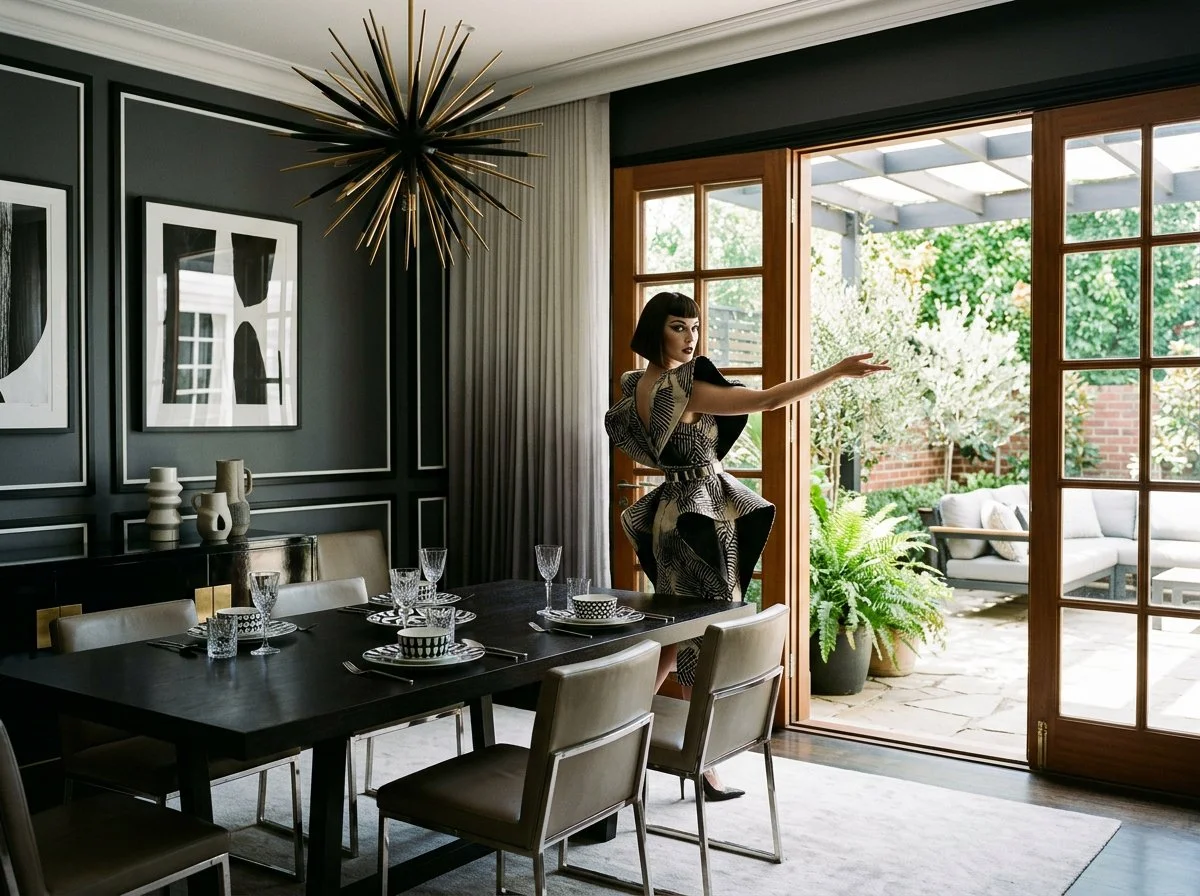
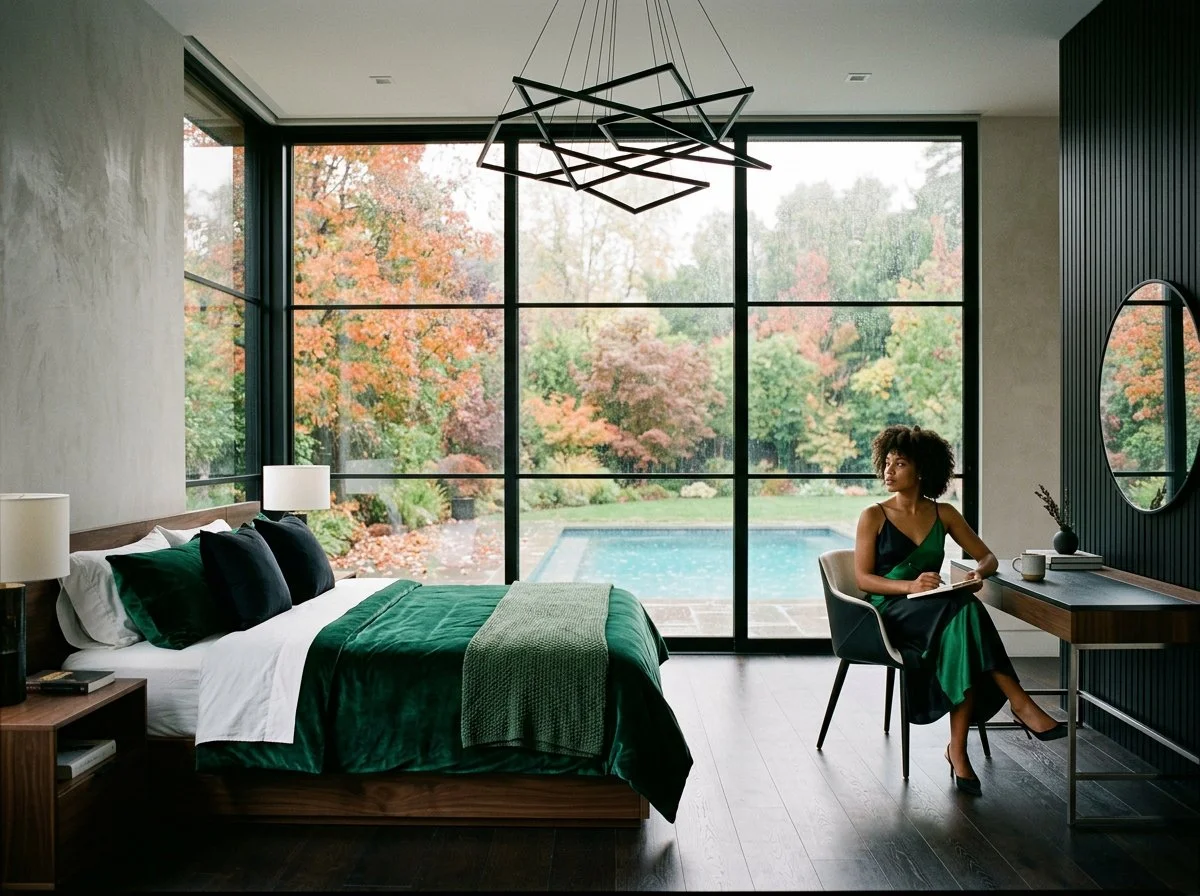
The Cost of Missing the Pattern
The impossible scenario? Building blind. Imagine sewing an entire ball gown before meeting the person wearing it. Absurd, right? Yet that’s what people do when they engage trades before design.
If design is couture, construction is stitching. Without the pattern, all you have is fabric — pretty, but purposeless.
The Kismet Moment
When you finally realise your interior designer isn’t decorating your future — they’re designing your lifestyle.
Is Interior Design First : My Renovation Destiny?
Homes are the stage where daily life unfolds — habits formed, relationships nurtured, memories made. Treating design as a “nice to have” is like improvising your life without a script. Please don’t under-estimate the importance of interior design in building.
Design first. Build second. Live beautifully forever after.
Love, Penelope xx Adelaide-based Interior Architect, Interior Designer and Anti-Blah Campaigner
Please chat with me first about your interest in a design-led renovation.
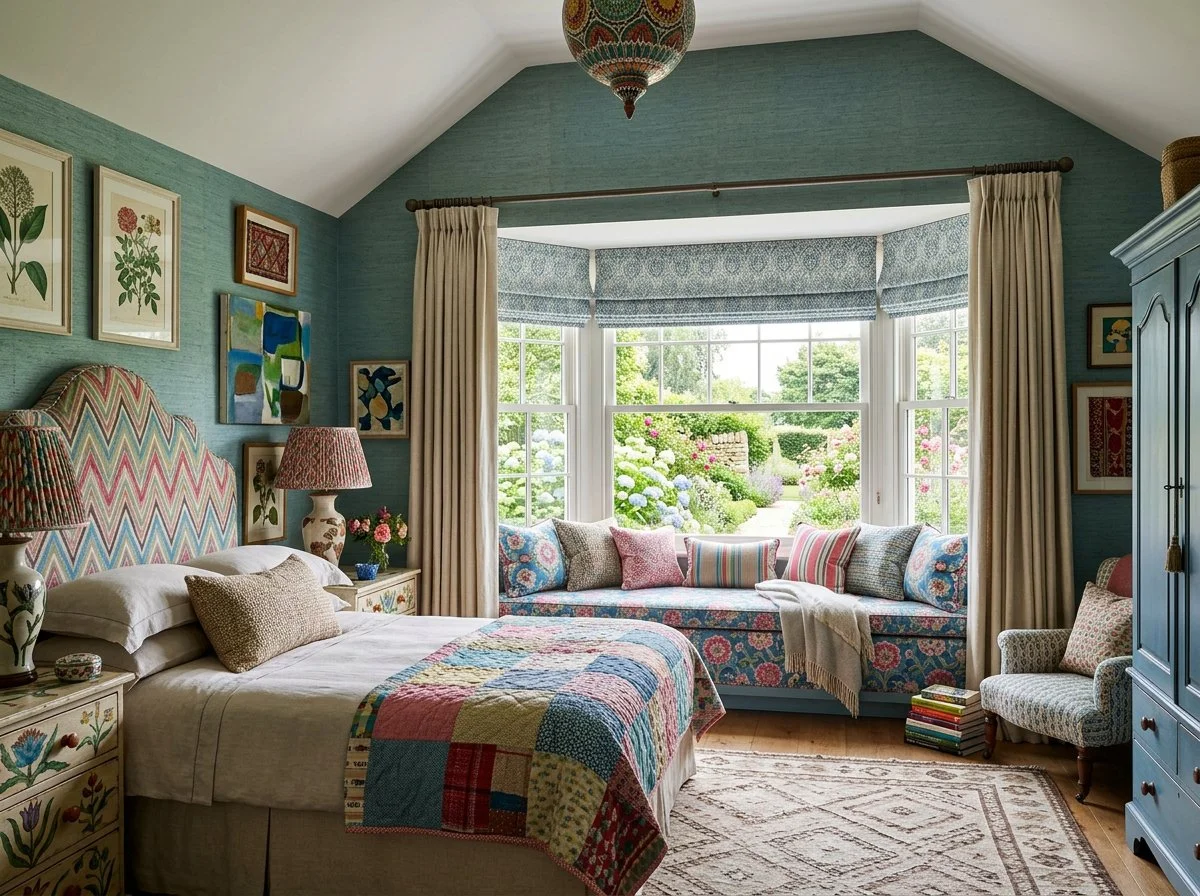
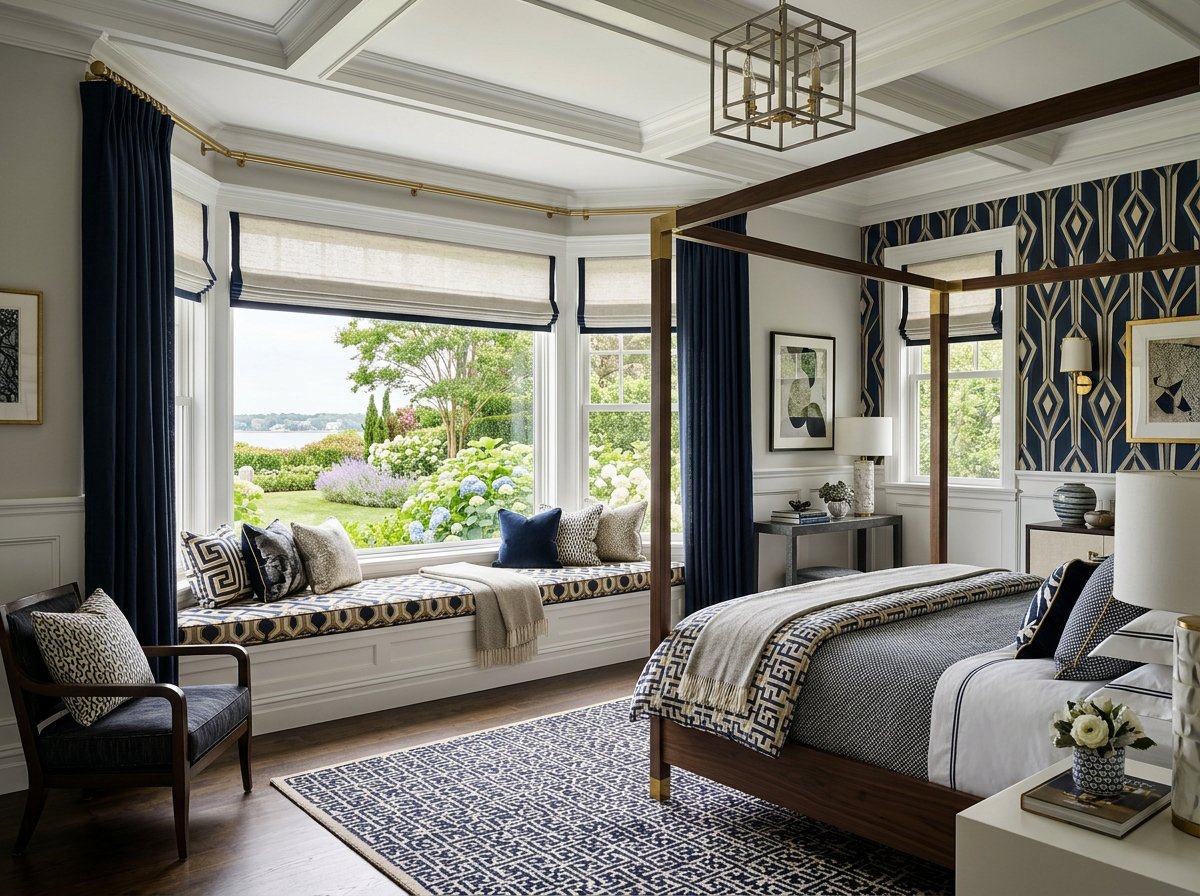
Plush Design Interiors uses AI‑generated imagery to help illustrate design concepts and possibilities in a fast, flexible and cost‑effective way. These images are inspirational visualisations only and may not represent final selections, exact colours, finishes or products available in Australia. All real‑world Plush Design Interiors work, including all design, specifications, selections and purchases, are curated by a human interior designer and are confirmed with clients using accurate samples, supplier information and detailed documentation before any work proceeds.
Adelaide Interior Design Is The Couture of Construction FAQs
Why should interior design come before construction?
Because design defines how your home functions and feels — construction simply executes that vision.
How does interior design save money?
By solving layout, lighting, and cabinetry problems on paper before they become costly site errors.
Isn’t interior design just decoration?
No. It’s the strategic, functional planning of spaces that support wellbeing and everyday ease.
How does interior design improve wellness?
Through light, texture, proportion, and organisation — all of which influence emotional balance and mental clarity.
What does “couture” have to do with interiors?
Like couture fashion, interior design tailors every element to your shape, habits, and lifestyle.
Why call it the home’s blueprint?
Because it determines how you live, not merely how your home looks.