
Why You Should Never Trust Australian Display Home Lighting
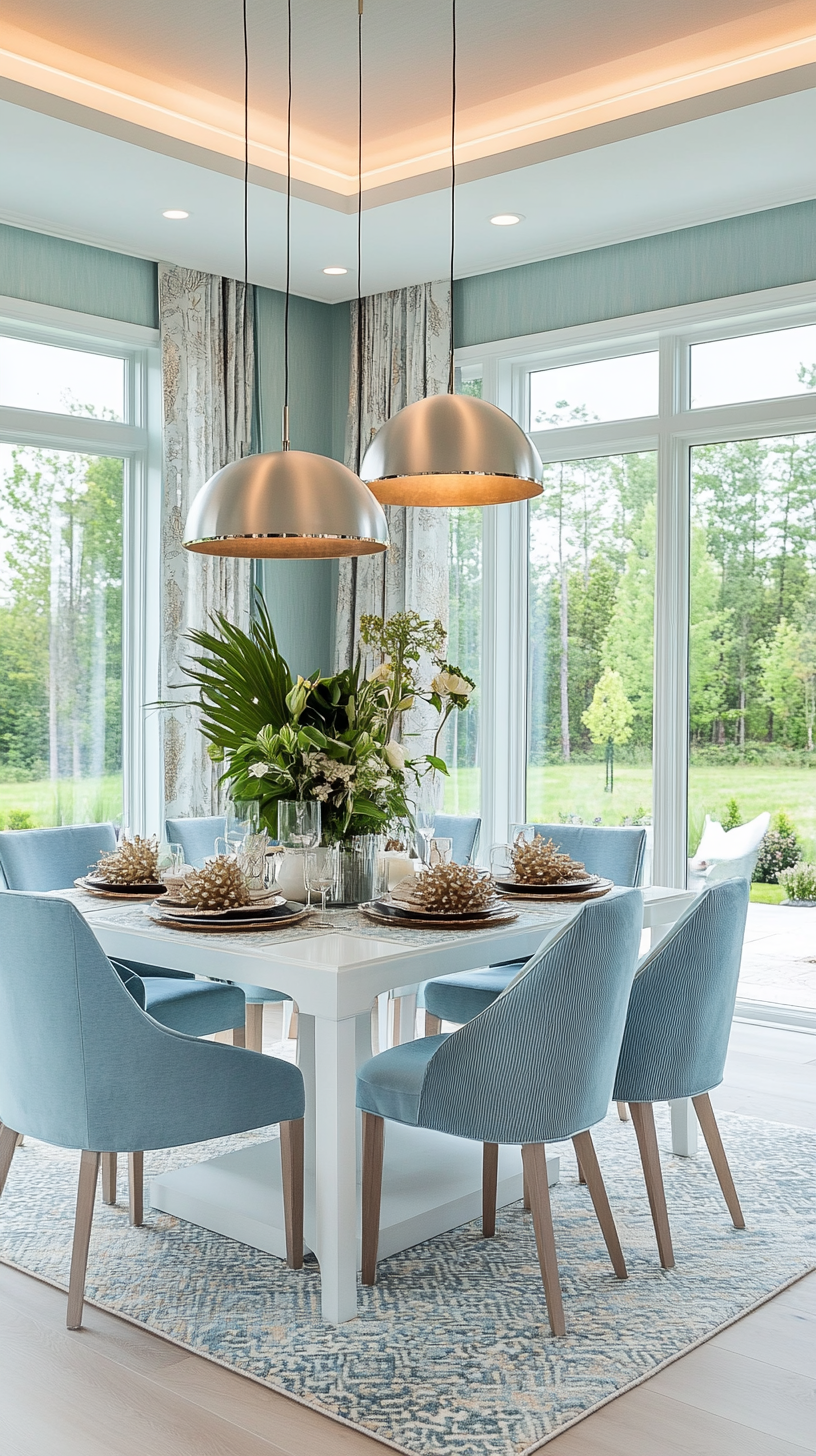
Display home lighting is a deliberate sales performance — warm globes, hidden strip lights and perfectly placed accent lamps designed to make ceilings look higher, surfaces look richer and spaces feel larger than they are. None of this lighting exists in your standard contract. What you're falling for isn't good design; it's a staged atmosphere that will vanish the moment you get your actual home with its builder-grade downlights on a single circuit. Before signing a new build contract, always visit the display home at different times of day, turn off every supplementary light source, and ask your builder which lighting features are included versus upgrade items.
Australian display homes are the catfish of the building world. You walk in, get hit with that golden, glowy ‘live your best life here’ lighting, and suddenly you’re emotionally engaged to a floor plan you met five minutes ago.
The ceilings look higher, the benchtops look richer, your partner looks hotter — all thanks to lighting that has been obsessively curated to seduce you, not to serve you.
What you’re actually falling for isn’t “good design”; it’s a lighting performance. Warm globes, hidden strip lights, perfectly placed accent lamps — all working overtime to sell you a fantasy that won’t exist in your real contract, your real budget, or your real Tuesday night.
So no, you’re not “fussy” or “hard to please” if your finished home feels flat compared to the display. You were never comparing apples with apples… more like comparing the X-Factor stage lighting with a single overhead bulb in a rental.

Why You Should Never Trust Australia’s Display Home Lighting
Because lighting is the quietest con in the Australian building industry.
Walk into an Australian display home and you feel it immediately. Calm. Warmth. Polish. A sense that this home just works.
Spoiler: it’s not the cabinetry. It’s not the floor plan. And it’s definitely not the downlights.
It’s lighting — carefully staged, deliberately misleading, and almost never replicated once the keys are handed over.
As an Adelaide interior designer who spends a significant amount of time fixing post-handover regret, I can say this plainly: display home lighting is theatre, not design.

The Display Home Illusion
Why lighting is their most powerful sales weapon
Lighting controls:
Mood
Perception of scale
Perceived quality
Emotional response
Developers know this. Builders rely on it. Buyers fall for it.
Australian display homes are designed to:
Photograph beautifully
Feel flattering at all hours of the day
Hide awkward proportions and cheap finishes
Distract from ceiling heights, joins, and layout compromises
They are not designed to:
Be lived in at night
Work with real furniture
Adapt to real routines
Support long-term comfort

The Biggest Lighting Lies Hiding in Plain Sight
1. Too Many Downlights (Because They Flatten Everything)
Downlights are easy. Cheap. Fast. And loved by electricians.
Designers? Less so.
In Australian display homes, they’re used aggressively to:
Eliminate shadows (which reveal flaws)
Make spaces feel “bright” without nuance
Create even light that photographs well
In real life, this results in:
Glare
Cold, clinical spaces
Zero atmosphere after sunset
If your lighting plan is 90% downlights, you don’t have a lighting design — you have a ceiling grid.
2. Temporary or Non-Standard Lighting Setups
Display homes often include:
Extra fittings not shown on plans
Switching configurations never offered to buyers
Transformers and drivers installed purely for display
Once construction begins on your home, these details quietly disappear.
What you loved? Not included.
3. Colour Temperature Manipulation
Australian display homes frequently use:
Warmer colour temperatures than standard builds
Mixed temperatures across rooms
Lamps that aren’t available in the builder’s range
Post-handover reality:
Cooler lights
Inconsistent tones
A home that suddenly feels flat, harsh, or unfinished
Lighting temperature alone can make a high-end interior feel budget overnight.
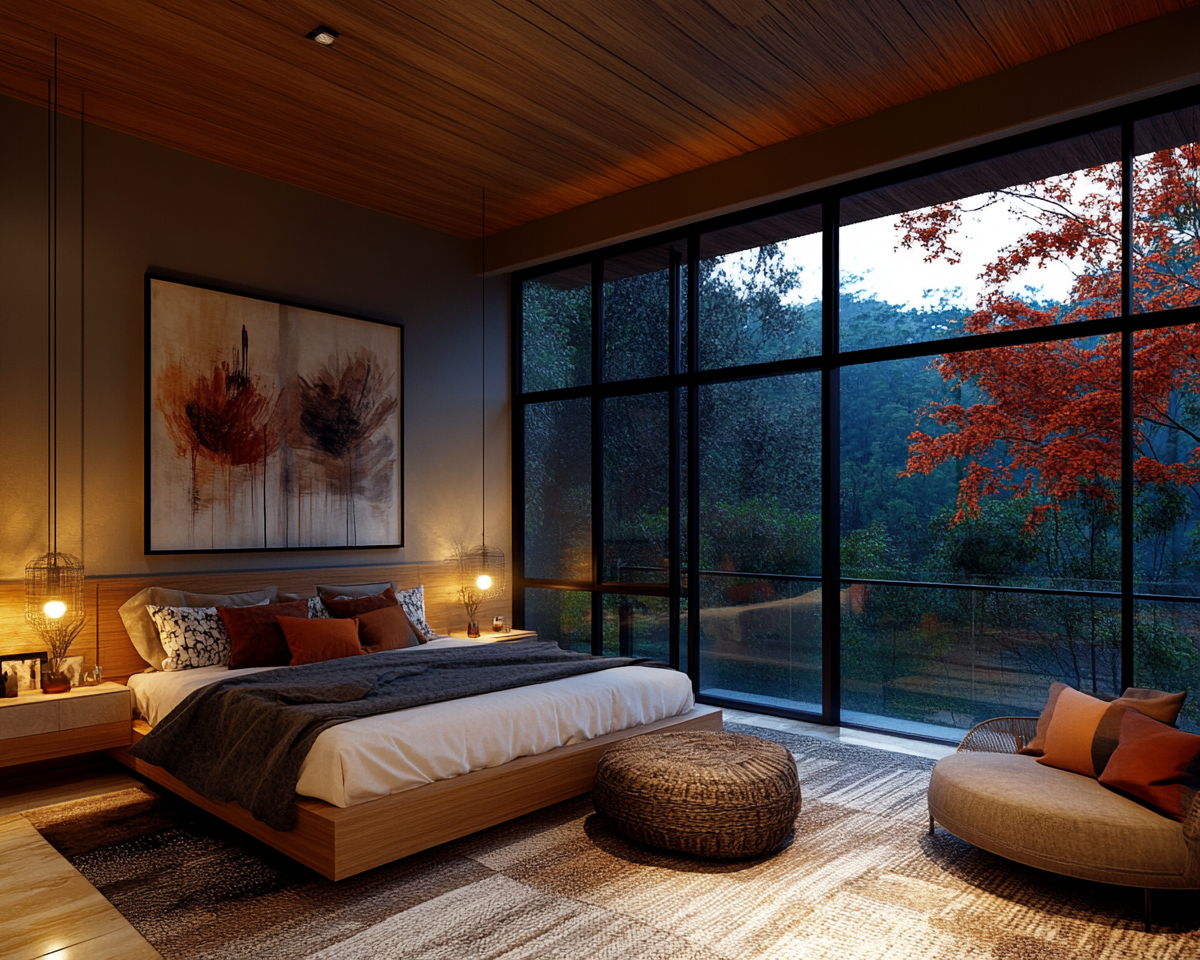
4. Lighting That Ignores Night-Time Living
Australian display homes are staged for daytime walkthroughs.
They don’t test:
Evening ambience
Task lighting for real cooking
Bedtime routines
Low-level lighting for comfort
Which is why so many new homes in Australia feel disappointing after dark. Renovation design and planning is what Australian interior designers do which includes personalisation of you lighting plan.

Why This Matters (And Why It Costs So Much to Fix)
Lighting mistakes are:
Expensive to rewire
Disruptive to retrofit
Emotionally draining for homeowners
Clients rarely say:
“I hate my lighting.”
They say:
“Something feels off.”
“It doesn’t feel cosy.”
“I thought it would feel more luxurious.”
Lighting is often the silent culprit.
What to Do Instead (If You Want An Australian Home That Actually Works)
Design lighting like furniture, not infrastructure
A good lighting plan, ideally from an interior designer, includes:
Layered lighting has all three - ambient (or general), task, and decorative (or accent)
Wall lights, table lamps, ceiling pendants, floor lamps, and feature lighting
Thoughtful switching zones
Warm, intentional colour temperatures
Lighting should support how you live — not how a home sells.


Why Interior Designers Care (And Builders Don’t)
Australian builders prioritise:
Speed
Cost
Compliance
Australian interior designers prioritise:
Mood
Comfort
Long-term satisfaction
Lighting sits right at the intersection — and without design oversight, it becomes purely functional and deeply forgettable. At Plush Design Interiors in Adelaide, we design the lighting and electrical plans because they are integral to interior design services.
In Case You Scrolled Too Fast (Rude… but it’s OK)
Display home lighting is staged, not realistic
Downlights are overused to hide flaws
Colour temperature is manipulated
What you see is rarely what you get
Lighting regret is one of the hardest (and costliest) fixes
Did You Know…
Many display homes use lighting levels that exceed what’s recommended for residential comfort — because overstimulation feels exciting short-term. The same levels in a lived-in home quietly increase fatigue and irritability. Your nervous system notices, even if you don’t. Which is why homes feel flat at night!

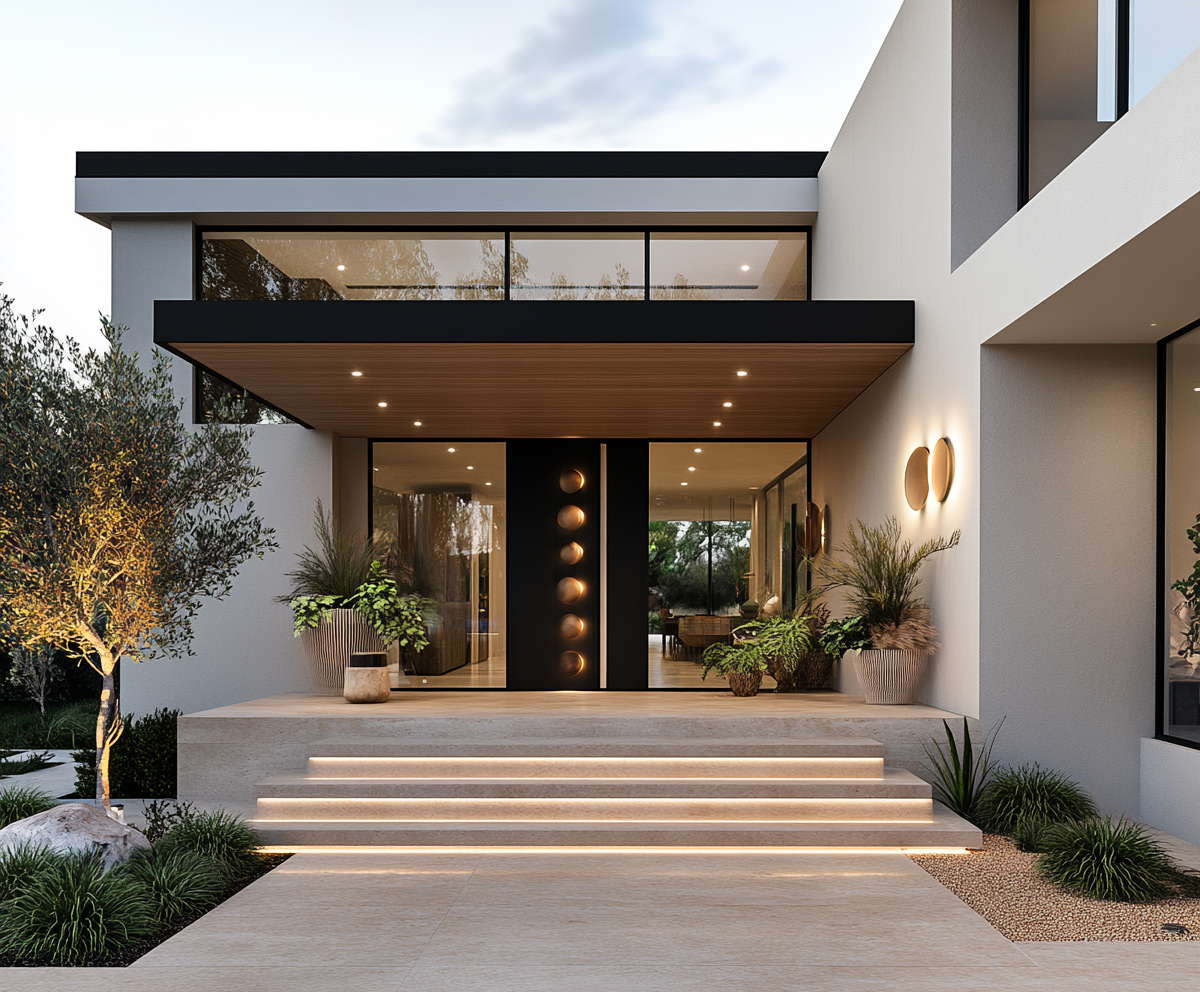
By the time most people realise their new home doesn’t feel anything like the display, the walls are up, the lights are in, and the only thing left to adjust is their disappointment. That’s exactly what I want you to avoid.
If you don’t want to be emotionally manipulated by clever lighting and vague inclusions, you need more than a good vibe and a screenshot of someone else’s kitchen. You need a plan — one that forces the hard questions, catches the sneaky omissions, and protects you from “we just assumed…” conversations.
That’s where my DESIGN–BUILD CHECKLIST comes in. It’s the bossy, no‑vanilla document that keeps you in charge of every decision — lighting, layout, electrical, joinery and all the unsexy details that make or break how your home actually feels.
Download your FREE DESIGN–BUILD CHECKLIST and walk into your build or renovation with your eyes wide open — not dazzled by display-home smoke and mirrors.
Because if you’re trusting builder lighting plans and you don’t have your own checklist, you’re not building your dream home… you’re approving their shortcut.
Love, Penelope xx - Adelaide Interior Architect and Interior Designer and Anti-Blah Campaigner
BOOK a TWO-HOUR DESIGN POWER SESSION to discuss your future Adelaide home renovation plans. We will investigate floor plans, design ideas, lighting plan, and any pain points or isses you may have. Contact Plush Design Interiors today.
FAQ’s: The Lighting Lies Behind Display Homes
Why does the display home feel amazing but my finished home feels flat?
Because you were never comparing like with like. The display home is lit like a movie set — layered, warm, and flattering — while your finished home usually gets a bare‑minimum, builder‑grade electrical plan. You fell in love with the performance, not the standard inclusion.
Are builders deliberately using lighting to manipulate buyers?
They’re definitely using it to influence you. Warm colour temperatures, accent lighting, and hidden LEDs are all chosen to make spaces look bigger, richer, and more luxurious. It’s not illegal, but it is strategic — and it’s rarely what you actually get in your contract.
What lighting tricks do display homes use that I probably won’t get?
Things like extra downlights, strip lighting in bulkheads and joinery, wall washers, stair lighting, feature pendants and dimmers. Most of these are either upgrades, “by others,” or conveniently vague line items. The floor plan might be similar; the lighting setup almost never is.
How can I tell what lighting is included in my build contract?
Ask for a detailed lighting plan and fitting schedule — not just “LED downlights as per plan.” You want quantities, locations, wattage, colour temperature (Kelvin), and switching/dimming info. If it’s not clearly documented, assume it’s not included.
What colour temperature should I choose if I want that cosy, display‑home feel?
Aim for warm to warm‑neutral: usually between 2700K and 3000K. That’s the flattering zone where skin looks great, materials feel rich, and rooms feel inviting. Go higher into 3500K–4000K and you’re edging into office and supermarket territory.
Is it bad to have lots of downlights?
Not always — but a blanket grid of downlights creates flat, shadowless spaces that feel harsh and unwelcoming. The goal is layered lighting: ambient (overall), task (for working), and accent (for mood and features). Downlights alone are like painting your whole house beige and calling it “done.”
Can I fix my lighting after the build is finished?
You can absolutely improve it, but it’s more limited and often more expensive than planning it properly upfront. You can swap bulbs for warmer ones, add lamps, plug‑in wall lights and some smart dimming — but moving hard‑wired points or adding circuits later means more trades and more money.
How do I avoid being fooled by display home lighting in the first place?
Walk through with your sceptic hat on. Look specifically at the number and type of light sources, ask what’s standard vs upgrade, and request to see the home at dusk or after dark if possible. Then take that awareness straight to your own plans — not to your feelings in the showroom.
You can finish the FAQ section with a soft bridge into your checklist CTA, like:
“If you don’t want to discover these lighting gaps when the plaster is up and the budget is blown, my DESIGN–BUILD CHECKLIST walks you through what to ask, what to specify, and what to refuse before you sign anything.”