

Designing bedrooms was originally only to create functional spaces – a place for sleeping and changing clothes. They were often tucked away in corners with minimal consideration for sunlight or panoramic views. Now, times have truly changed.
Quick Answer
Invest in trend-proof quality for adult bedrooms — a well-made bed frame, linen worth touching, layered lighting — and don't shy away from bold colour. Bedrooms and powder rooms are two rooms built for real personality, just calmed by how it's handled. Add character through one striking piece rather than clutter: art, a signature scent, objects that are actually yours. Keep children's rooms flexible and budget-conscious instead, since their needs change fast. Position bedrooms away from noise, and let ensuites buffer the main suite from kids' rooms.
How to add value by designing bedrooms the right way has evolved over time, transforming main and children’s bedrooms into personalised sanctuaries that echo the tastes and lifestyles of their inhabitants.
Whether it’s a parent’s retreat, teenage hang-out, or a play & study zone, bedrooms have evolved. Living spaces may still occupy the sunniest spots with the best views. However, any bedroom must still be a healthy area given how much time is spent in them.
Basically, there are two types of bedrooms – those for adults and those for children. Adult spaces are generally where you invest money for a long-lasting effect. Whereas children’s spaces can be more flexible as children grow-up fast and their tastes change. Let’s have a look at both.

The Adult Retreat: Where Style Meets Serenity
Once you have allocated superior spaces to living areas, the main bedroom is next on the hierarchy. Given the main suite is usually occupied by the people who pay the household bills, their needs are paramount.
The positioning of a main bedroom in relation to other areas is important. If there are small children in the home, then a main bedroom may need to be positioned close to them.
However, if children are older and more independent, then a parent’s retreat away from them and the family living space may be preferable.
Further, a main bedroom should generally be situated away from the main living spaces especially if you have teenagers. This helps with noise control as well as privacy.

1. Investing in Timeless Elegance
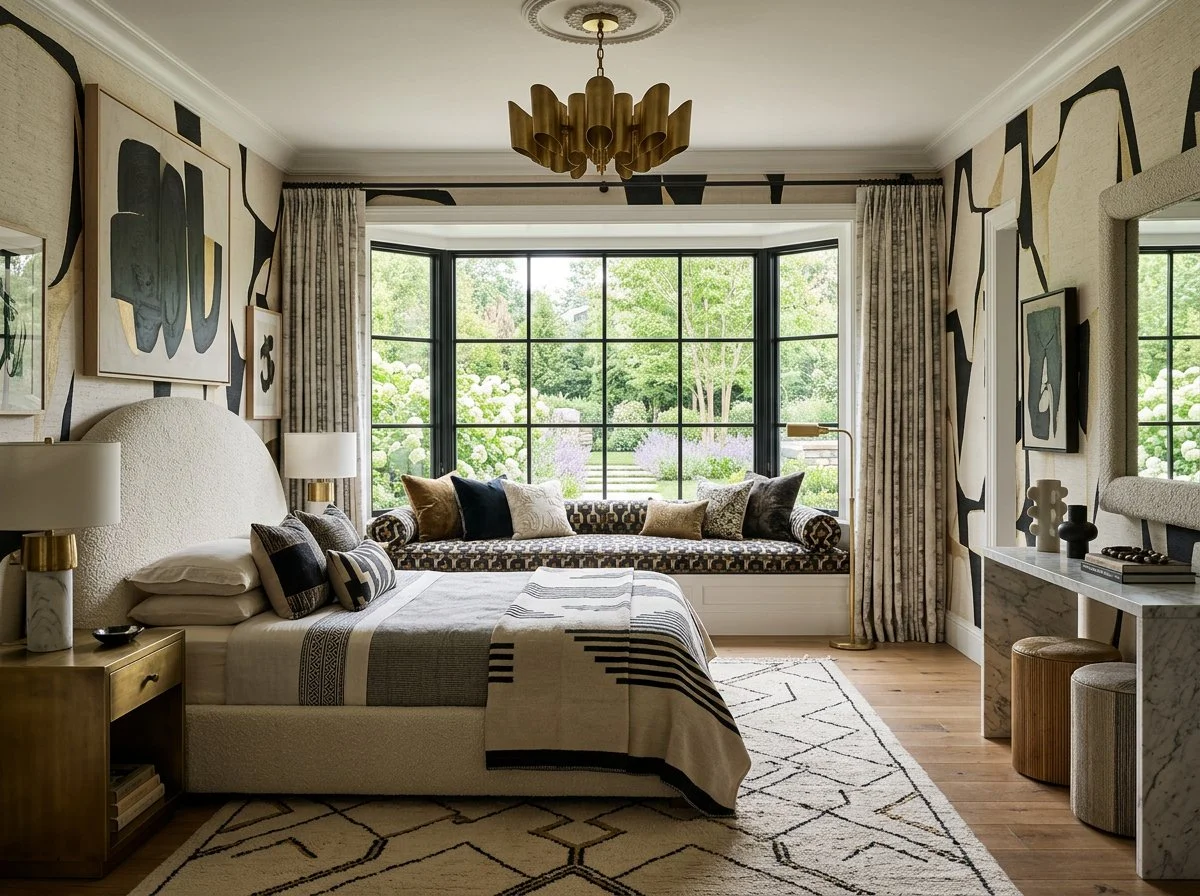
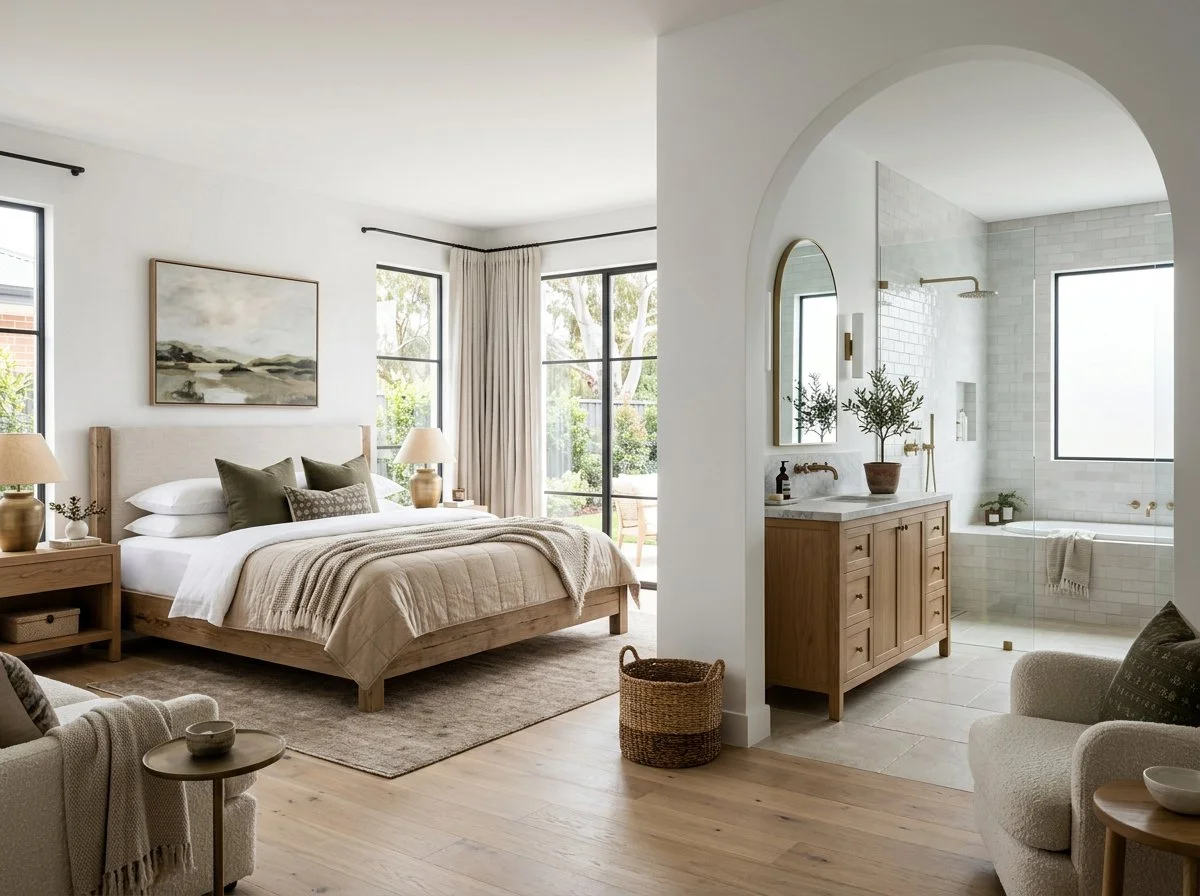
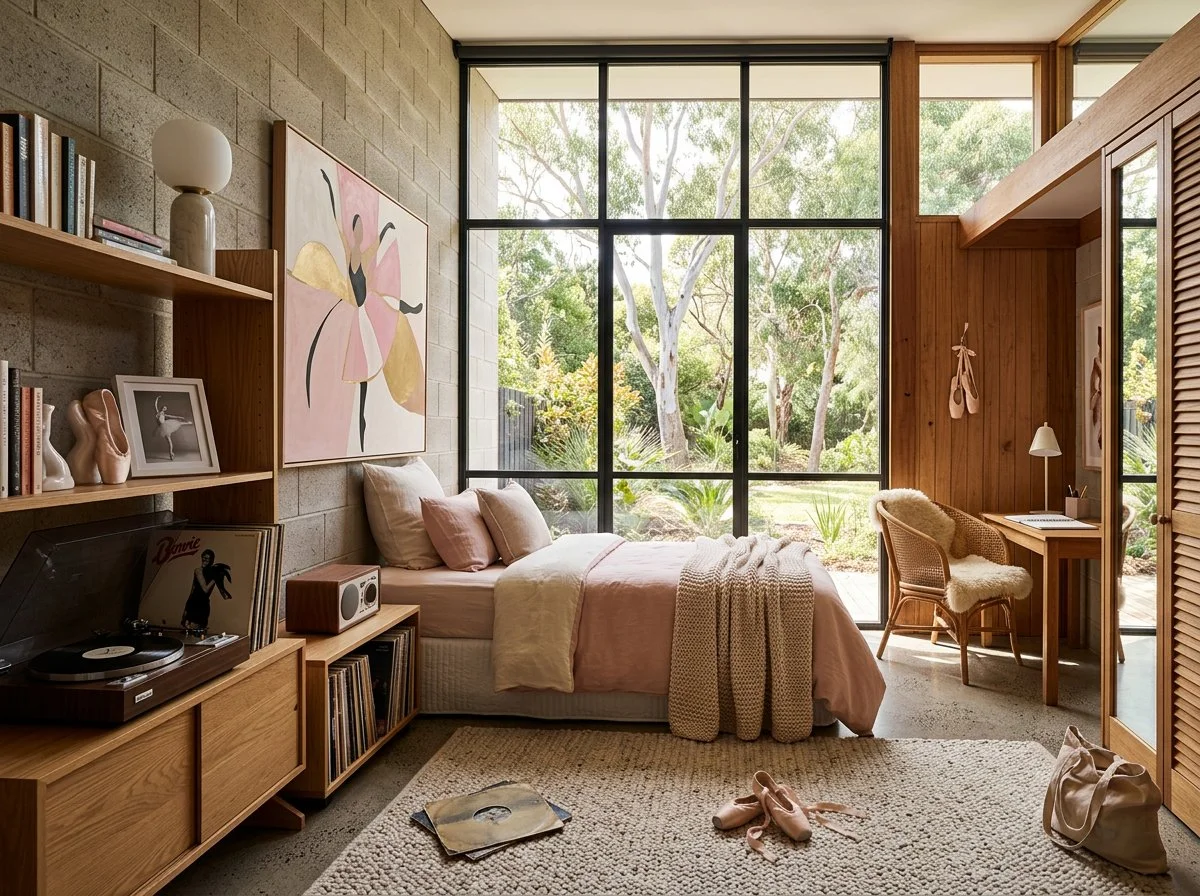
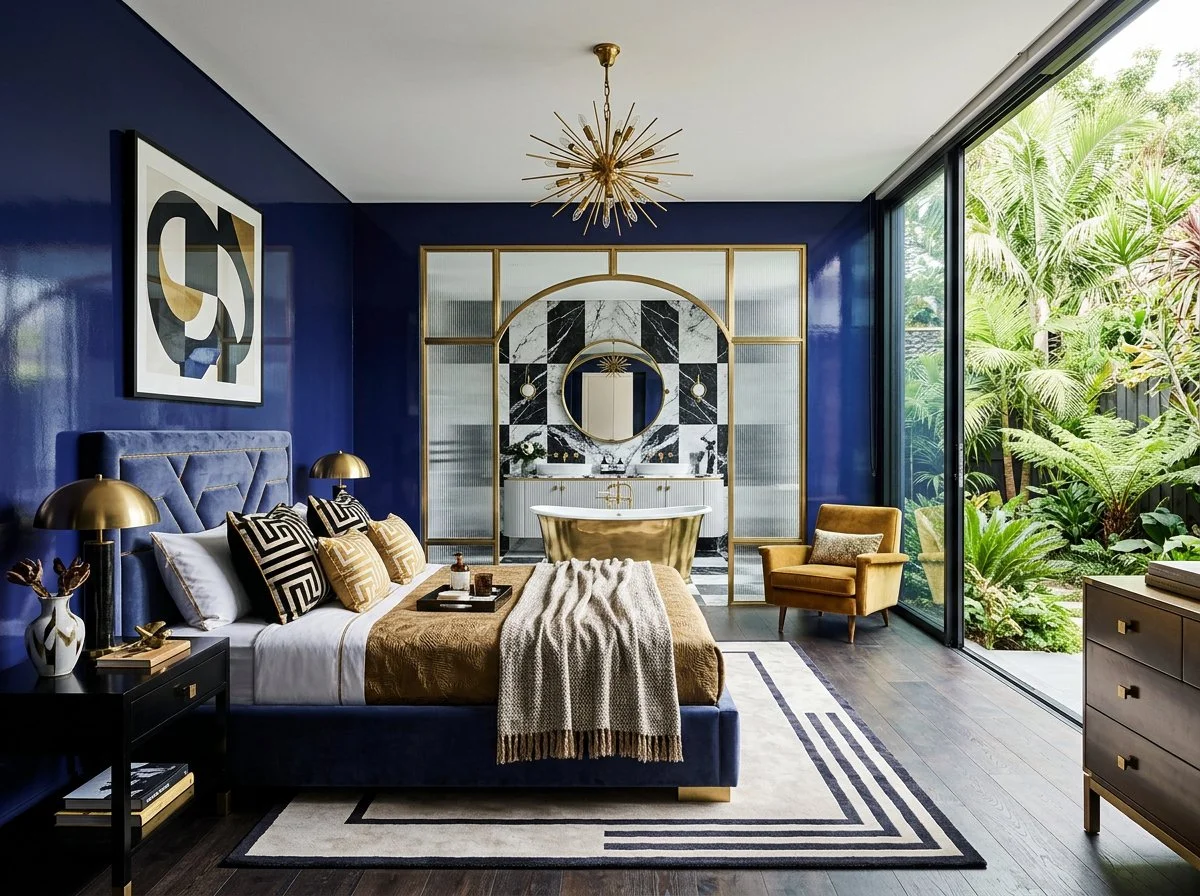
When it comes to adult bedrooms, the key is longevity. These are spaces where investments yield lasting effects. Consider classic design elements that stand the test of trends – a statement headboard, quality bedding, and elegant lighting. Opt for a neutral palette as a foundation, allowing for easy updates with accessories.
This is the one room in the house where "trend-proof" isn't a compromise, it's the whole point. Think of your adult bedroom as the anti-Pinterest space — nobody's photographing it for likes, so it doesn't need to chase a look that'll date in eighteen months.
Spend where it lasts: a genuinely well-made bed frame, linen you'll actually want to touch, and lighting that does more than one job — a pendant for ambience, a reading lamp that doesn't require you to get back up once you're horizontal.
This is one of the few rooms in the house — alongside the powder room — where you're allowed to let it rip. Trend-proof doesn't mean beige-proof. Choose a colour with real conviction — a deep, enveloping wall shade, a headboard in a fabric that means business — and let the calm come from how it's handled, not from avoiding commitment altogether. Energy and rest aren't opposites; a bedroom can hold both.
The mistake most people make here is treating the bedroom as an afterthought once the "visible" rooms are done. Flip that. It's the room you spend a third of your life in — it's earned the investment more than the powder room ever will.
2. The Power of Personalisation
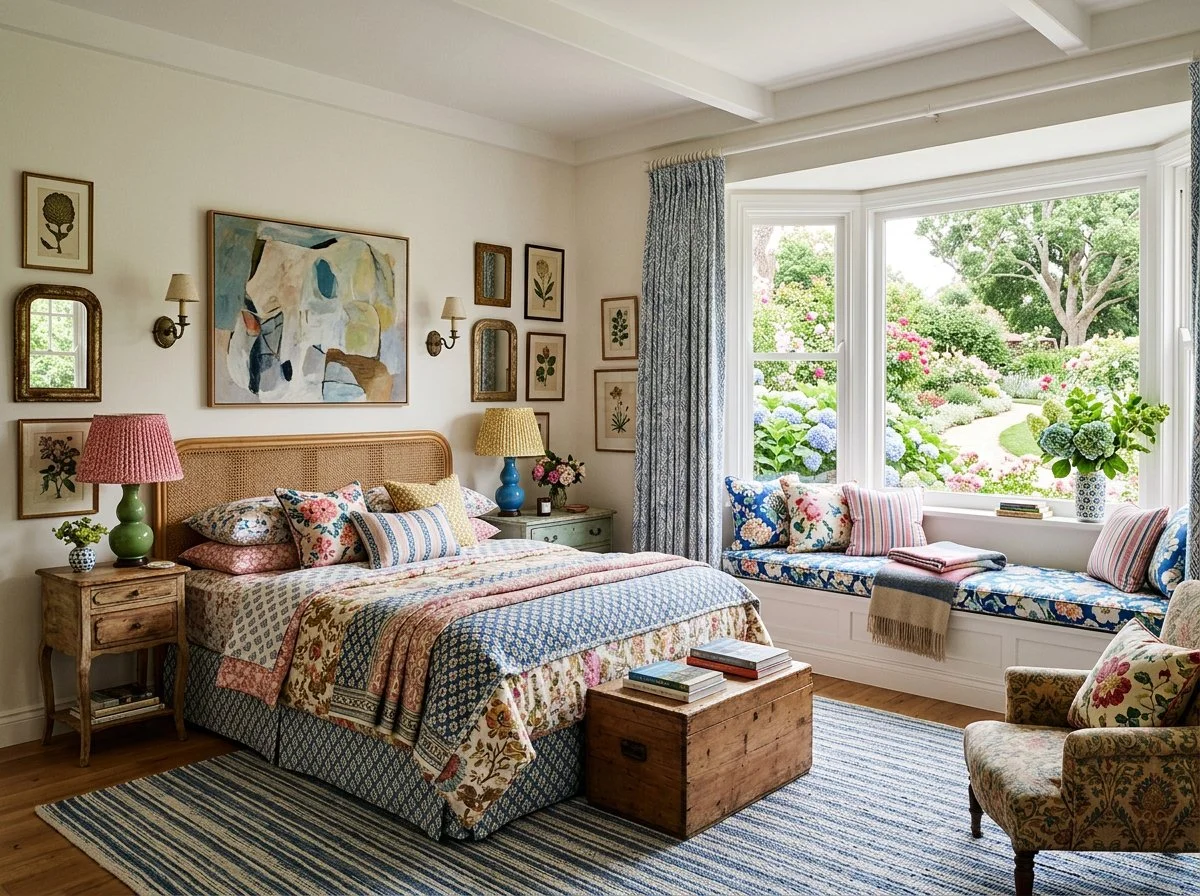
An adult bedroom should be a reflection of its dweller. Incorporate personal touches, be it through art, family photographs, or cherished mementos. This not only adds character but also turns your bedroom into a haven of memories and emotions.
Here's the tension every adult bedroom has to resolve: it needs to be a sanctuary — calm, uncluttered, restful — and it needs to actually look like you live there. Too many "elegant" main bedrooms end up feeling like a hotel room nobody checked into.
Personal touches don't have to be loud to register. A single striking piece of art above the bed does more work than a gallery wall crammed with everything you own. A stack of books on the nightstand that are actually yours, not staged. A scent — candle, diffuser, whatever — that becomes the room's signature, so walking in feels like arriving somewhere specific to you.
The test is simple: if a stranger walked into your bedroom, could they tell anything about who sleeps there? If the honest answer is "not really," that's your cue — not for more stuff, but for the right stuff.


3. Lighting Magic
Lighting plays a crucial role in creating ambiance. When designing bedrooms, integrate a mix of lighting sources – from ambient ceiling fixtures to bedside lamps. Consider dimmer switches to adjust the mood according to different activities, whether it's reading a book or winding down for sleep.
4. Storage Solutions
Clutter is the nemesis of serenity. Invest in smart storage solutions to keep your bedroom organised. Custom-built walk-in robes or multi-functional furniture can maximize space while maintaining the overall aesthetic.
5. Luxury in Detail:
Elevate your sensory experience with luxurious textures and materials. A plush rug underfoot, high-quality bed linens, and carefully selected furniture can transform your bedroom into a retreat worthy of a five-star hotel.
6. Integrating Technology:
In the digital age, technology is often a part of our daily routines. Consider integrating smart home solutions for lighting, temperature control, and entertainment. A well-designed tech integration should enhance, not overwhelm, the overall aesthetic.

The Ever-Changing Canvas: Designing Children's Rooms
I generally advise not to spend too much money in children’s bedrooms, apart from a high quality mattress, as their needs and tastes change quickly.
Children over the age of about five should be included in the selection of the décor for their bedroom. However, don’t allow them dictate the design. Involve them in things like using their favourite colour or choosing a duvet. After you buy a high-quality mattress, consider what other furniture and storage is required.
You may also like to read the article on 'Planning Children's Bedrooms' on this blog
This will change as a child gets older, so I usually suggest not going overboard with expensive items. Older kids may require a sofa and coffee table to create an ‘adult’ chill-out zone.
1. Flexibility in Design
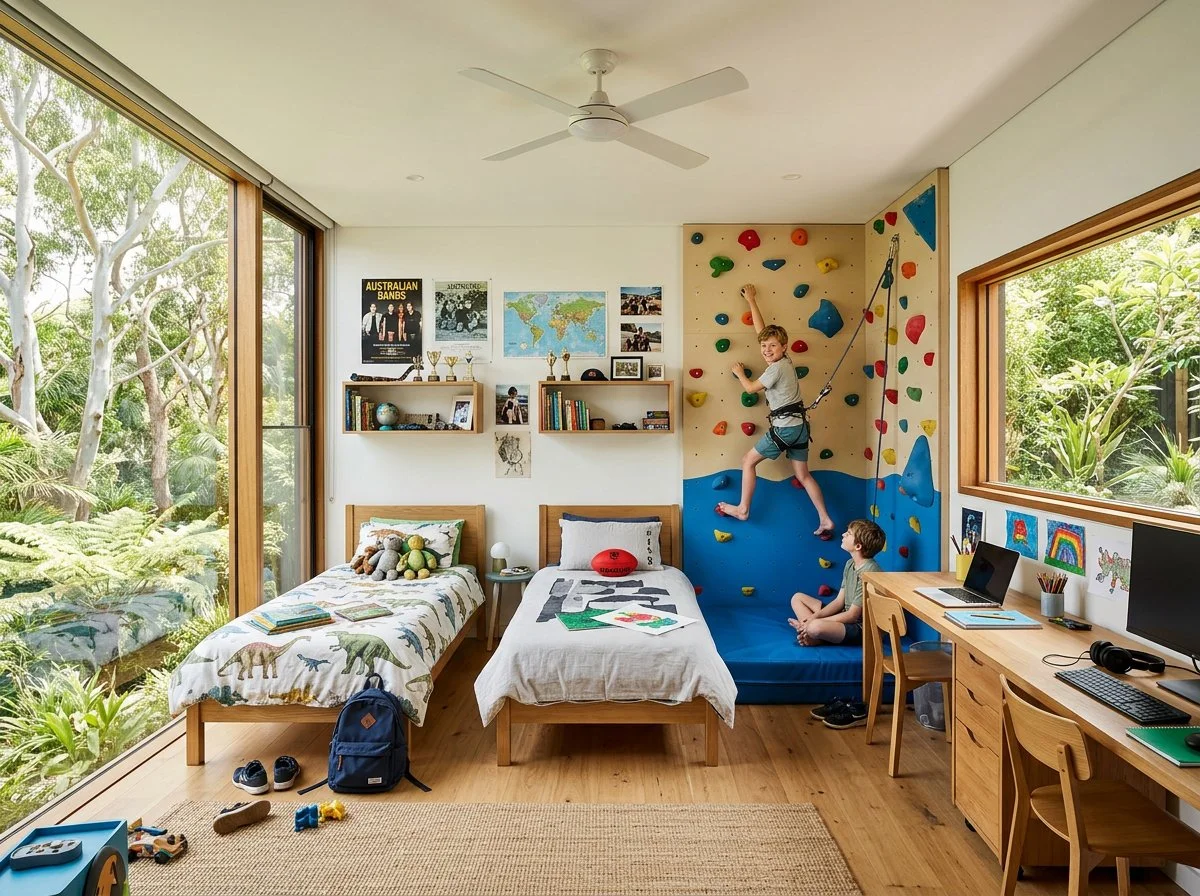
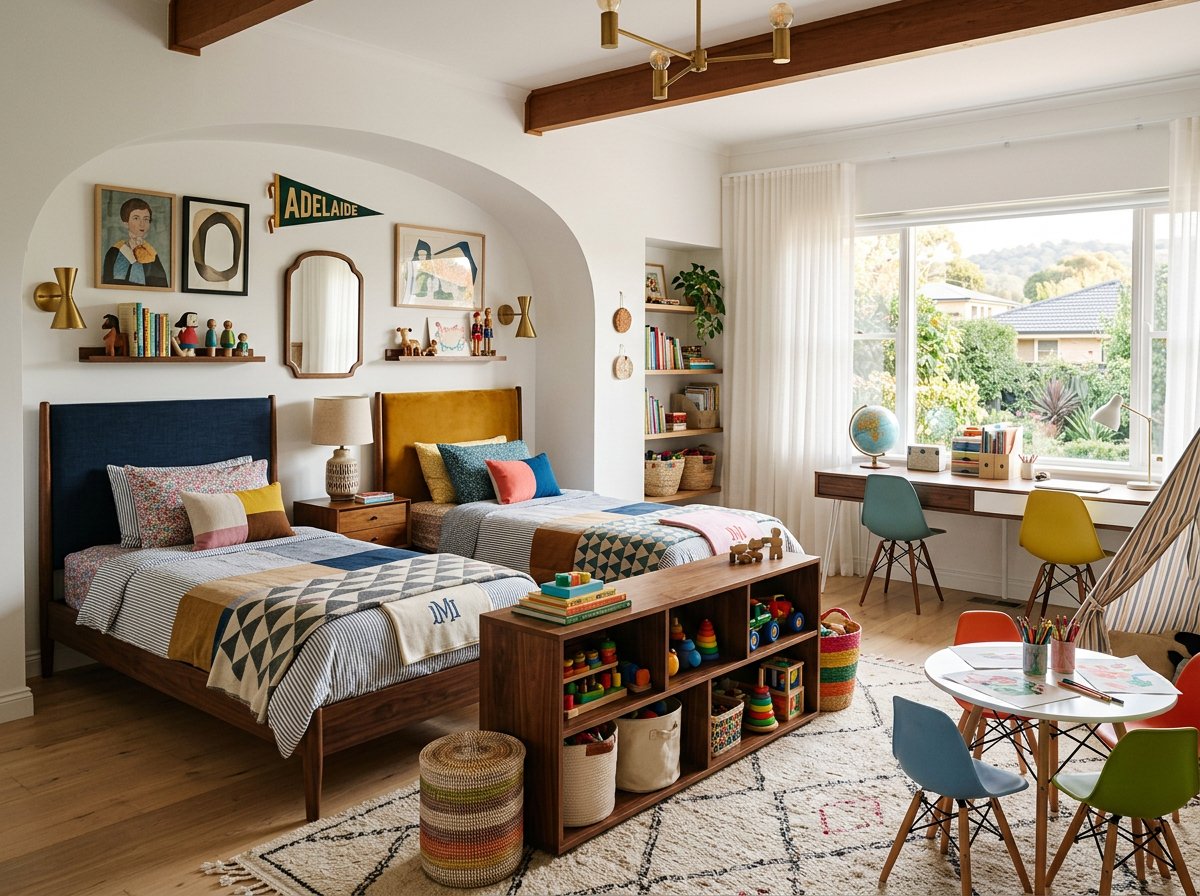
Children's rooms are like blank canvases awaiting the strokes of creativity. Given how fast children grow and their tastes evolve, flexibility is key. Opt for furniture that can adapt to different stages of childhood, from cribs to study desks.
2. Playful Themes and Colours
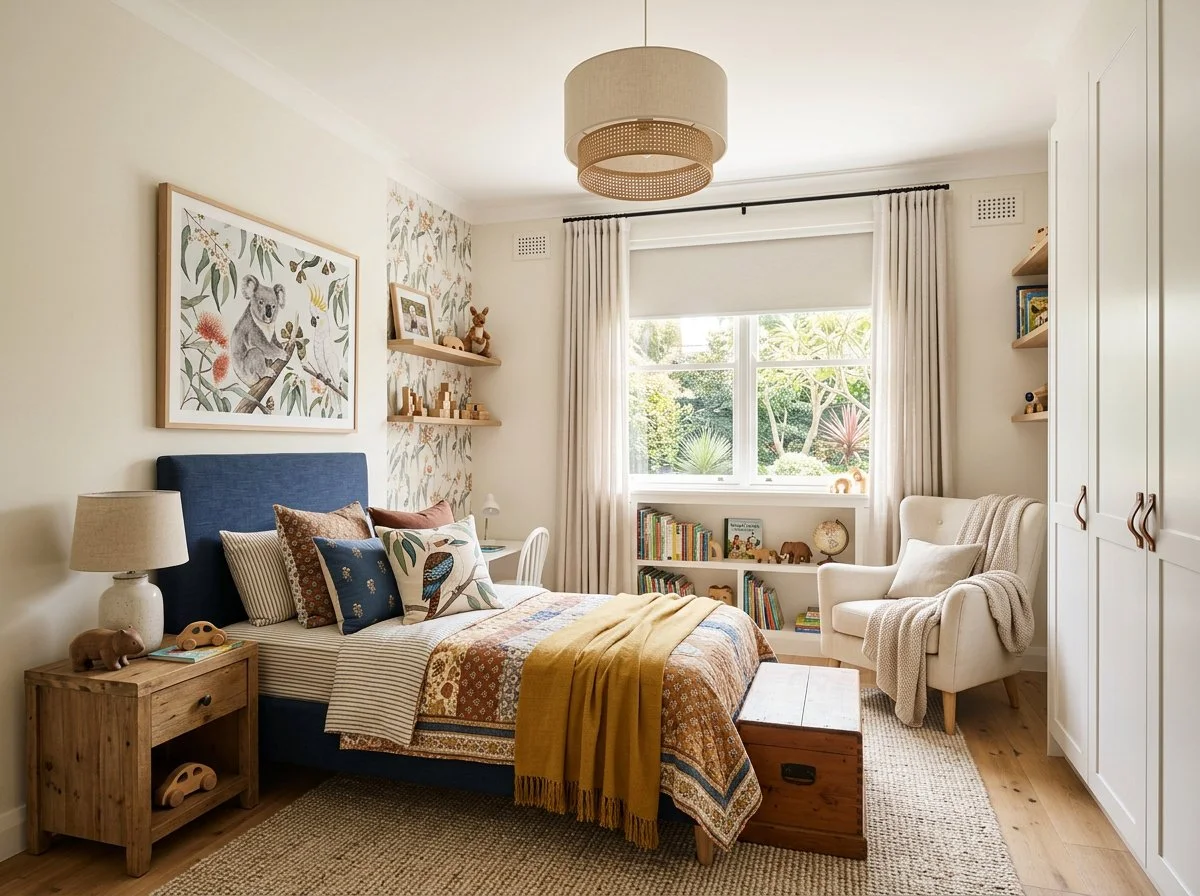
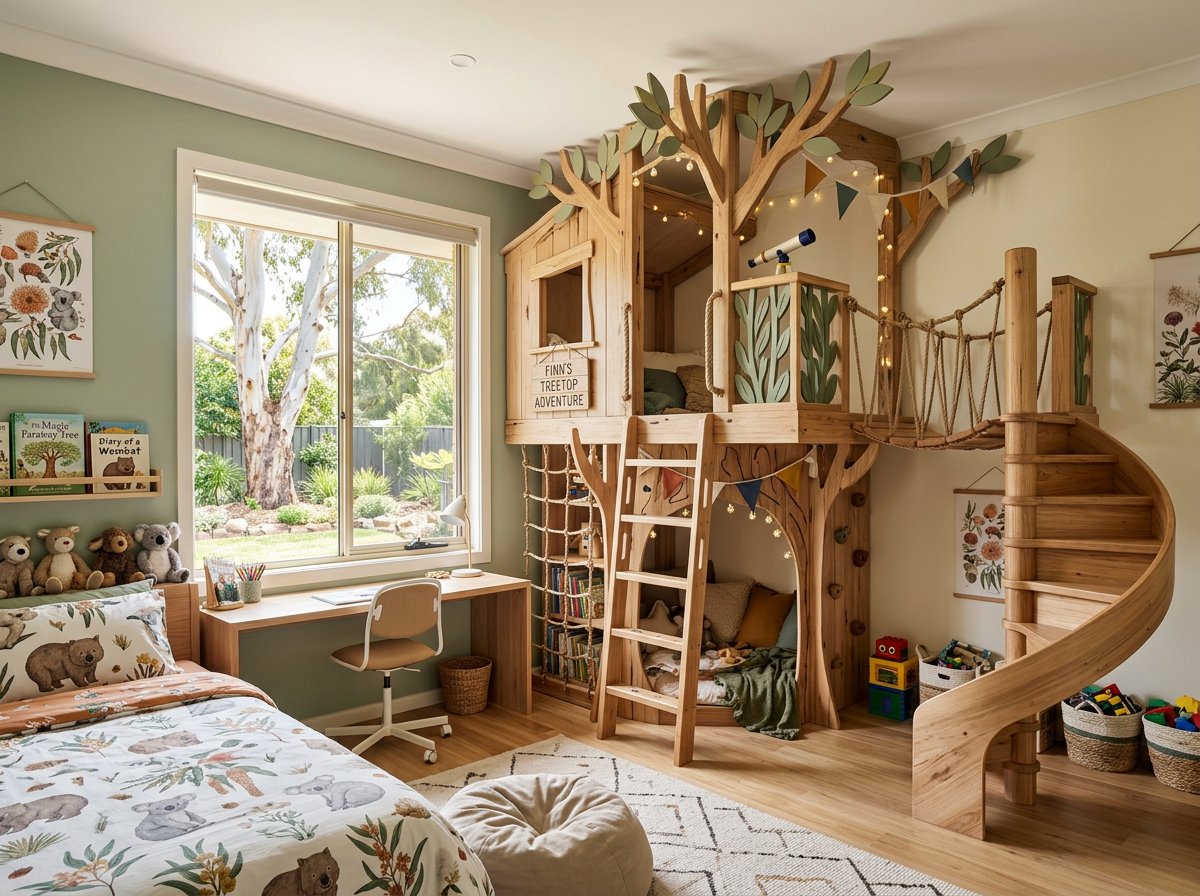
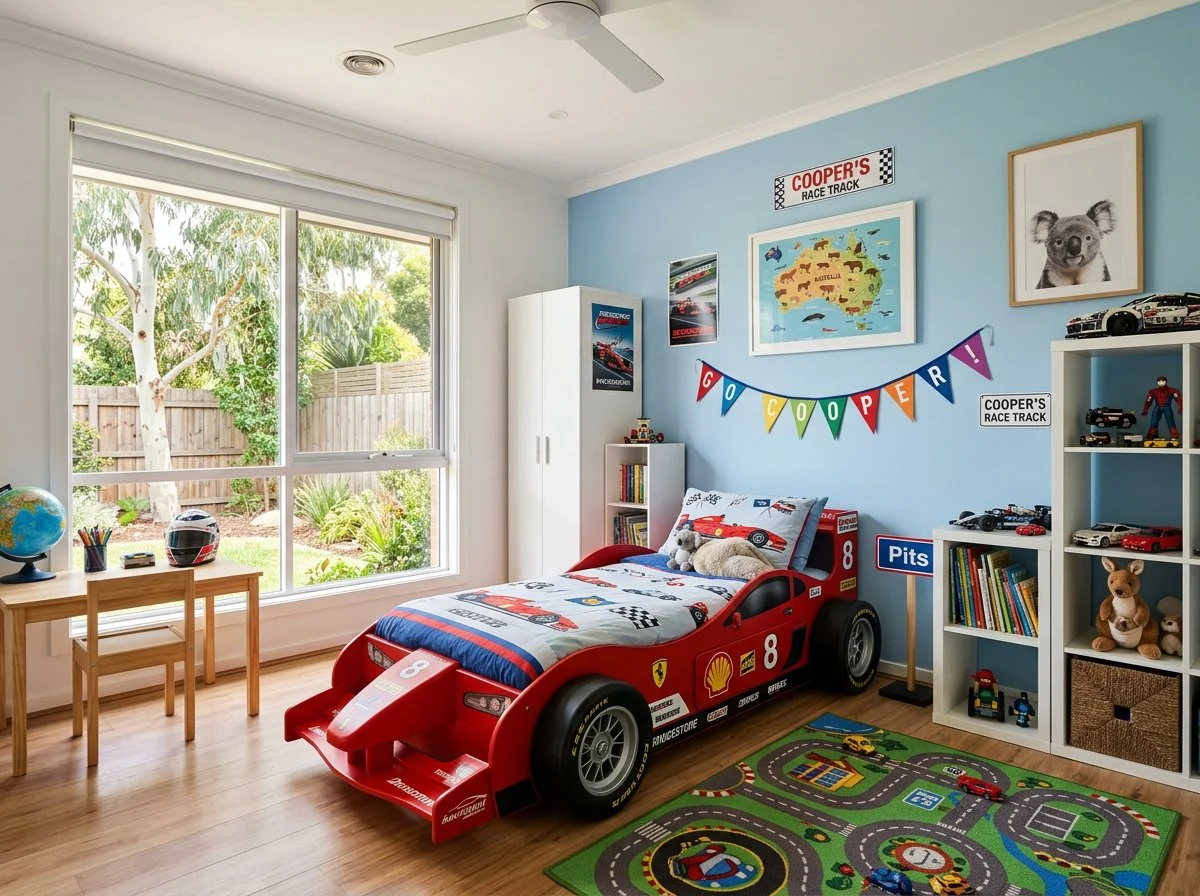
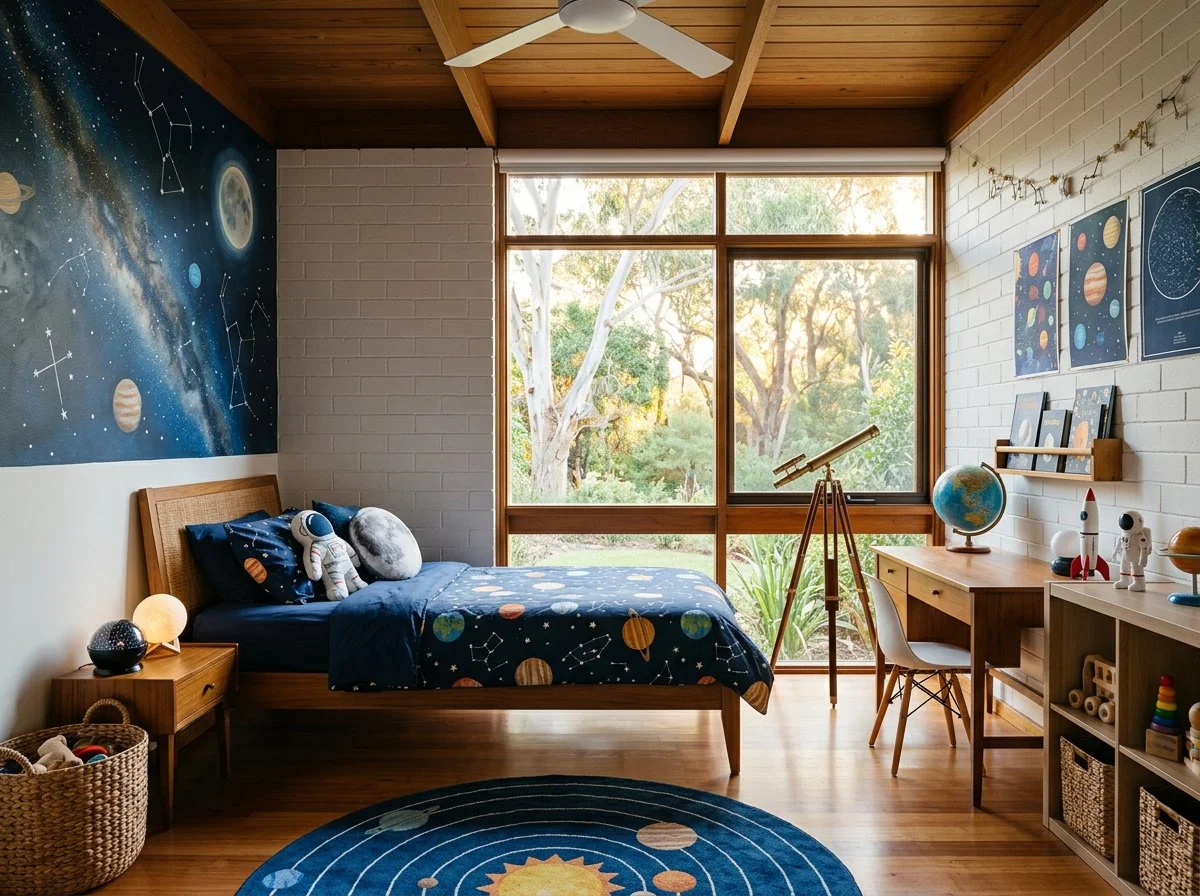
Children are naturally drawn to vibrant colours and imaginative themes. Consider a playful approach to decor – whimsical wall art, themed bedding, and colorful accessories can create an environment that sparks creativity and joy.
However, when designing bedrooms for children don’t paint the walls in bold and hot colours such as red and orange as this will over-stimulate the senses. Use hot colours only for accessories such as cushions and trims.
3. Educational Zones
Foster a love for learning by creating dedicated study zones when designing bedrooms. Customized desks and shelves for books and educational toys not only promote organisation but also instill a sense of responsibility in children.
4. Interactive Elements
Make the room an interactive space. Chalkboard walls, magnetic boards, or even a small indoor climbing wall can turn the room into a dynamic playground that encourages exploration and physical activity.
5. Storage with a Twist
Children's rooms can quickly become cluttered with toys and belongings. Explore storage solutions that are not only practical but also add to the overall aesthetic. Colourful bins, open shelving, and under-bed storage can be both functional and visually appealing.
6. Growing with Personality
As children grow, so do their personalities. Design their bedroom with elements that can easily evolve. Consider modular furniture that can be rearranged, and choose decor that can be updated to align with changing interests.
Bedroom Positioning
Wherever possible, don’t position bedrooms next to the front door. Consider noise and light control when positioning rooms that require quiet at night. Also consider the servicing of bedrooms in relation to the toilet and bathroom.
Good planning will often see an ensuite and main bathroom share a wall. This also creates a natural buffer between the main suite and the children’s bedrooms.
Your lifestyle is a major factor in planning your own home and designing bedrooms. Consider the space, how it’s used, and its relationship to other rooms, noise, heating, cooling and light.
Creating Spaces that Echo Lives
In the tapestry of interior design, main bedrooms for adults and children's rooms stand as distinct yet interconnected chapters. The adult retreat is a testament to individuality, sophistication, and enduring elegance.
In contrast, children's rooms are vibrant canvases that evolve alongside the ever-changing landscape of childhood.
The common thread in both narratives is the importance of designing bedrooms with thought and purpose. Whether it's the classic elegance of an adult's retreat or the playful dynamism of a child's haven, the goal is to create spaces that not only cater to functional needs but also resonate with the soul.
As we embark on the journey of designing these intimate spaces, let's remember that each room tells a story. It's a narrative of dreams, growth, and the beautiful dance between the past and the future.
So, whether you're curating a sanctuary for peaceful nights or crafting a playground for imaginative days, let your design choices echo the lives they embrace.
In the end, it's not just about bedrooms; it's about crafting stories in the language of design.
Love, Penelope xx - Interior Architect and Interior Designer in the Adelaide Hills
FAQs for Designing a Bedroom The Right Way
1. How much should I spend on my main bedroom versus a child's room?
Invest more in the adult retreat — quality bedding, statement lighting, timeless furniture — since these choices last years. Keep children's rooms flexible and budget-conscious as tastes change quickly.
2. Where should bedrooms be positioned in a home?
Away from the front door, with noise and light control in mind. A shared wall between ensuite and main bathroom creates a natural buffer between the main suite and kids' bedrooms.
3. What colours work best in a child's bedroom?
Playful, engaging colours work well, but avoid bold hot tones like red or orange across large wall areas — they overstimulate. Save hot colours for cushions and accessories instead.
4. Should kids help choose their own bedroom decor?
Yes, from around age five — but guide rather than hand over full control. Let them pick a favourite colour or a duvet rather than dictating the whole scheme.
5. What's the one thing worth spending on in a child's bedroom?
A high-quality mattress. Everything else can be more flexible and budget-friendly since it will likely be updated as they grow.
6. How do I make an adult bedroom feel like a proper retreat?
Layer in luxurious textures — a plush rug, quality linens, considered lighting — and personal touches like art or photographs that make the space feel genuinely yours.