No-Vanilla Archetypes: Why Your Home Has a Personality, Not Just a Style
I built a personality system for your house. It explains why you love what you love — and it's about to make every "pick a vibe" Pinterest board feel a bit thin.
Interior design styles — Hamptons, Japandi, Coastal, Mid-Century — tell you what to buy. They don't tell you who you are in a room. The No-Vanilla Archetypes are a design framework created by Plush Design Interiors that identifies your home's personality rather than its aesthetic category. Instead of copying a look from a mood board, you design from the inside out — starting with how you want to feel in your space, what tensions and contradictions make you interesting, and what your home would say about you if it could talk. The result is a home that feels genuinely, unapologetically you — not a Pinterest board someone else curated.
Why You’ve Been Sold The Wrong Style Map
There's a question I've been asked in roughly every consultation I've ever run. It arrives about forty minutes in, usually after the second cup of coffee, and it always sounds a little apologetic:
"I don't really have a style… do I?
You do. You absolutely do. You've just been handed the wrong style map.
For years, the interior design world has sold you styles — Hamptons, Japandi, Mid-Century, Coastal, that one with all the boucle — as though your home were a costume you choose off a rack. Pick a look. Copy the look. Hope the look still feels like you in eighteen months when the algorithm has moved on and your "warm minimalist" lounge suddenly reads as a dental waiting room.
A style tells you what to buy. It never tells you who you are in a room. And that, my darlings, is the entire problem.
So I built something better. Meet the No-Vanilla Archetypes.


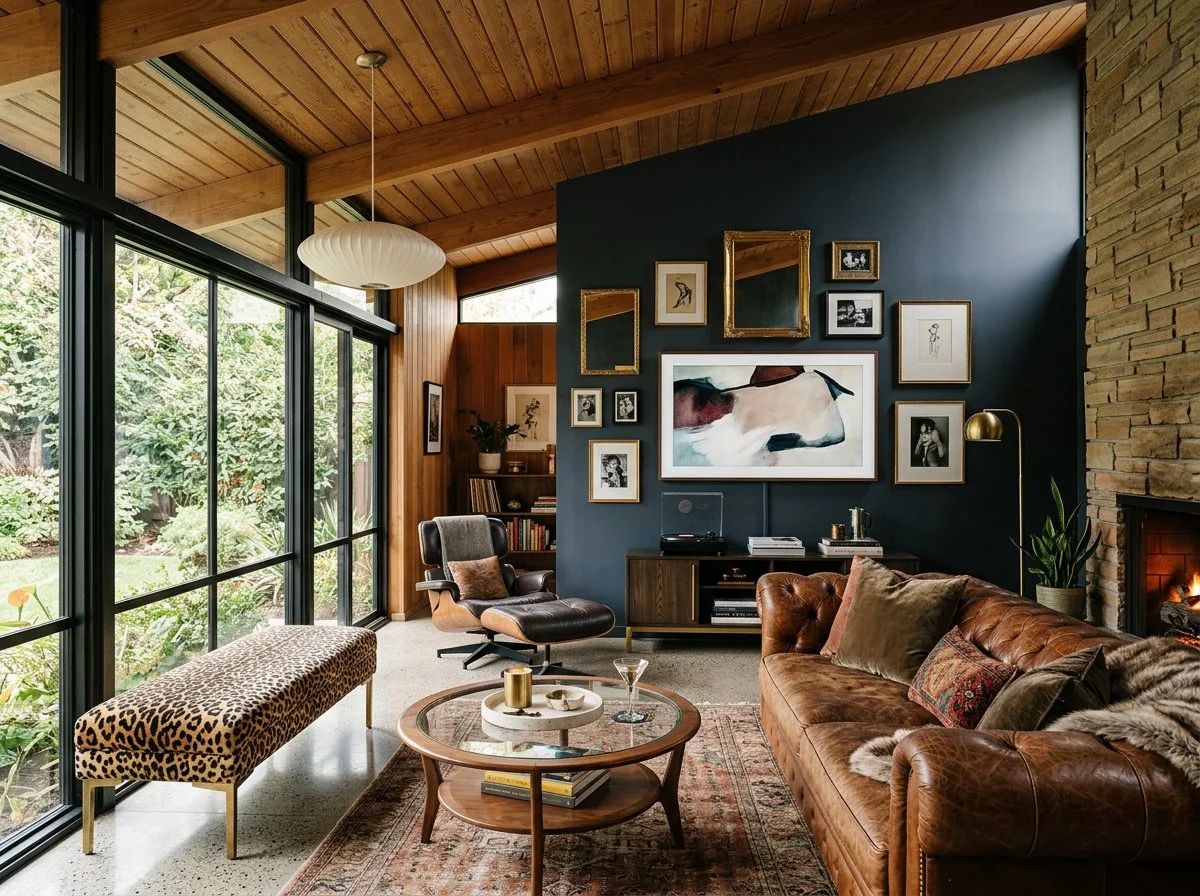
A Tender Brutalist could be your design archetype if you’re drawn to the feel of these spaces. Take ‘The Reading’ and find out YOUR design archetype.
Some people have a style. You have an archetype.
An archetype isn't a look you wear. It's the way you instinctively live in a space — the logic underneath every "ooh, I love that" you've ever blurted out. It's why you'll walk past forty perfectly nice cushions and lunge at the one with the questionable fringe. That lunge is data. I just gave it a name.
The whole system runs on three sliders. Not eighteen. Three. Because couture is about cut, not clutter.
1. Restraint ↔ Abundance — how much you put in the room. Are you happiest with a few considered pieces and a lot of breathing space? Or does an empty wall feel like a personal insult that must be answered with art, objects and at least one thing your mother thinks is "a bit much"? Neither end is correct. One is just you.
2. Meaning ↔ Sensation — why you choose things. Some of us decorate for the story — the heirloom, the provenance, the object that means something. Others decorate for the hit — how it feels under the hand, how the light falls on it, the pure sensory pleasure of a colour you can practically taste. Story-led or sensation-led. Both are valid. Both are revealing.
3. Rooted ↔ Roaming — where you belong. Do you anchor — one era, one heritage, one beloved place you'd happily build a whole home around? Or do you roam — a magpie collecting treasures from everywhere, restless, never quite finished? Rooted homes have gravity. Roaming homes have passports. Tell me which you are and I already know three things about your hallway.
Three sliders, two ends each. Where they meet, you get eight corners — and each corner is an archetype with a face, a temperament and a very strong opinion about lighting.
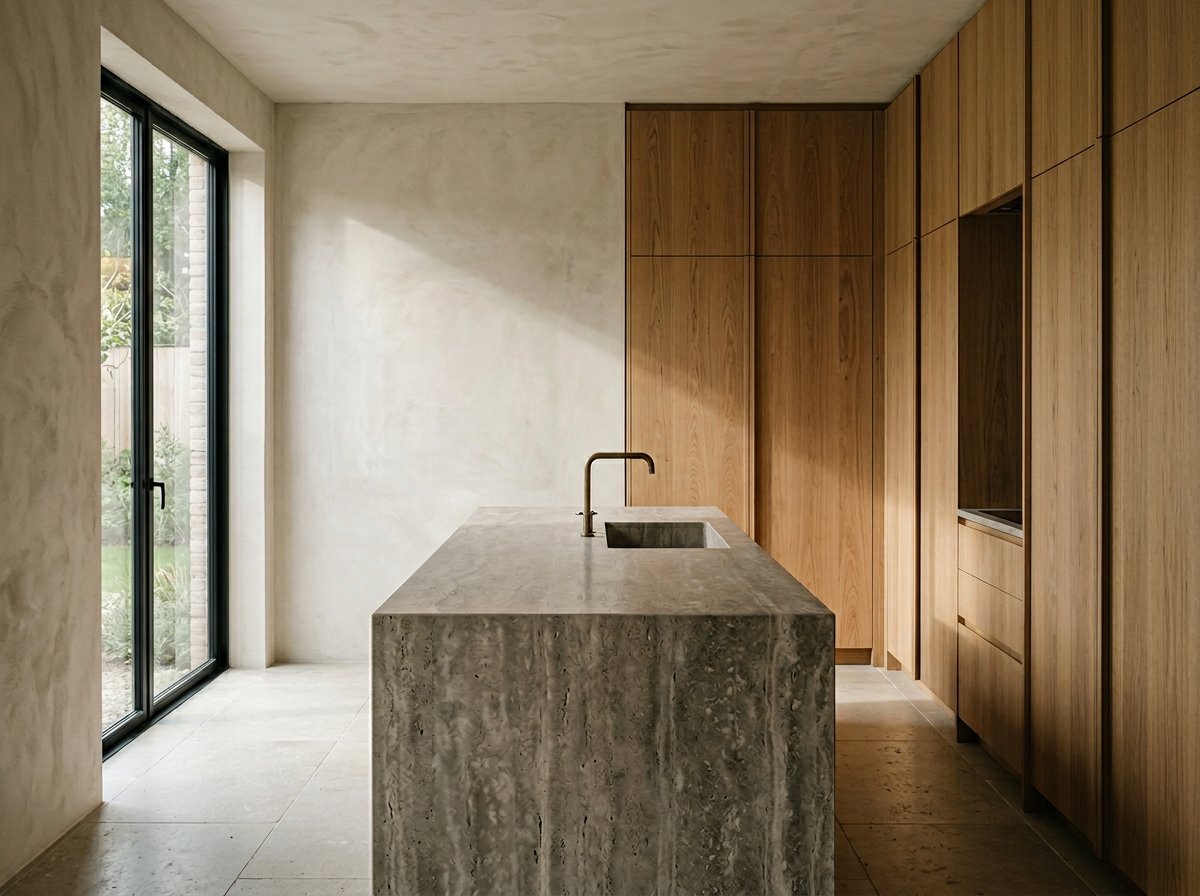
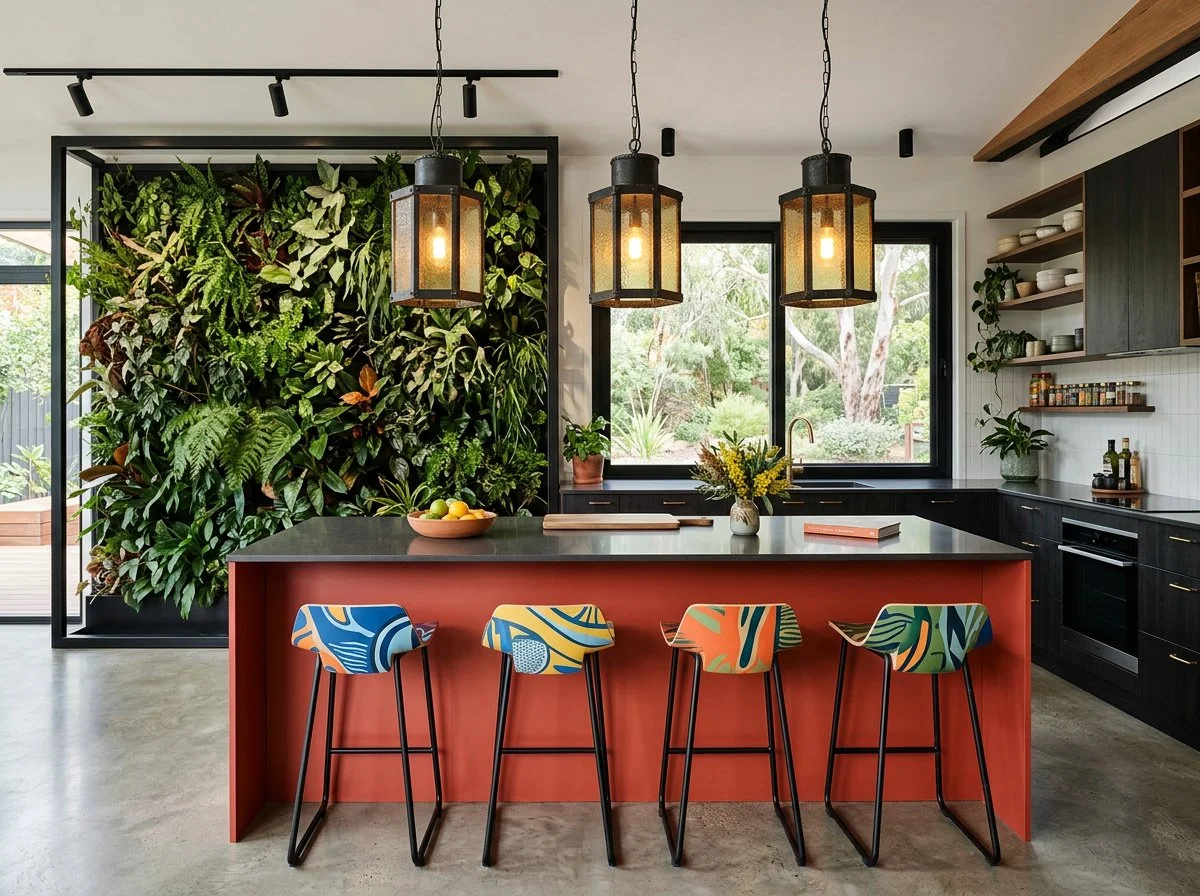
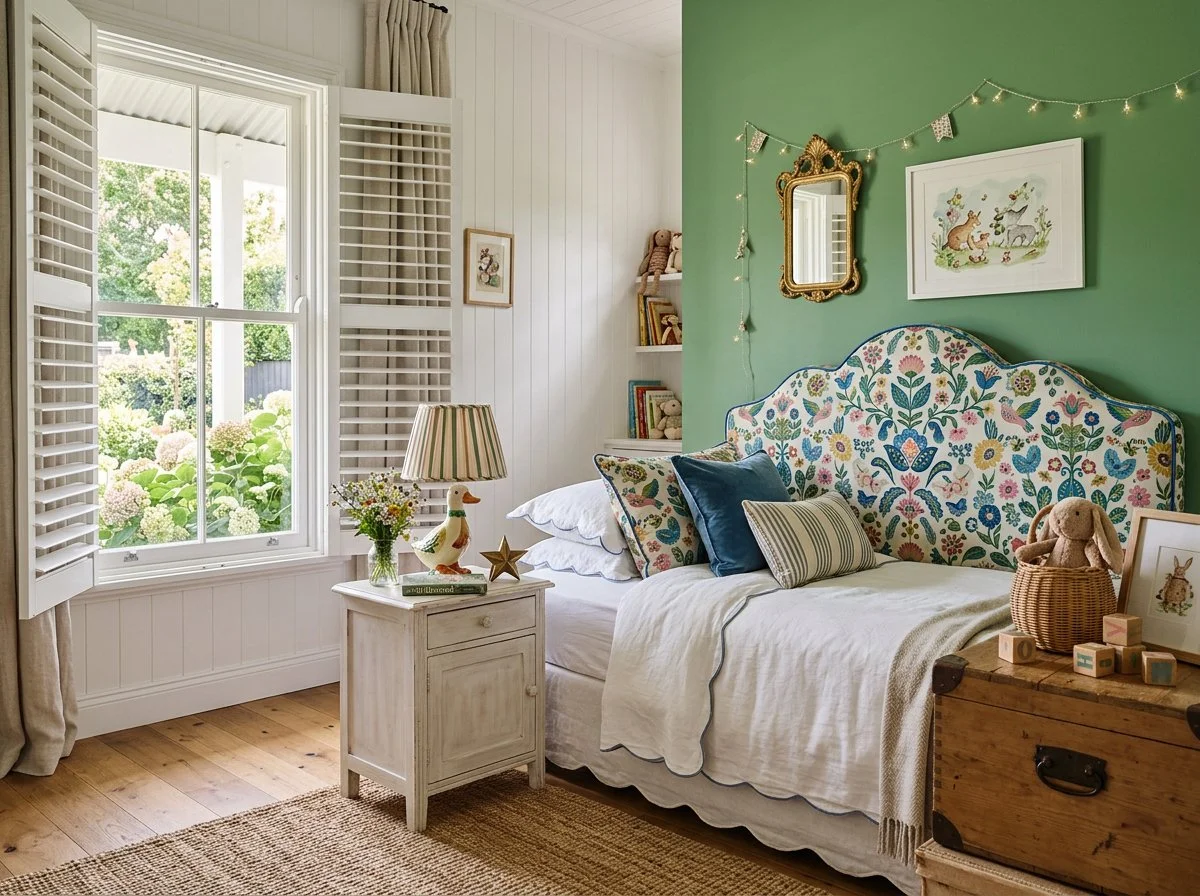
Are you a Monastic Antiquarian or a Velvet Revolutionary? Take ‘The Reading’ and find out because your design archetype means you’re drawn to one of these kitchens over the other… or neither!
The eight (a proper introduction is in ‘The Reading’, but here's the line-up)
The Monastic Antiquarian — lives with less, but every piece has a provenance and a pulse. The room is quiet because the objects are loud with history.
The Émigré Philosopher — travels light, thinks deep. A passport's worth of meaning in a small, considered footprint.
The Tender Brutalist — loves raw, honest materials, then warms them with texture and touch. Hard bones, soft heart.
The Modernist Voluptuary — clean modernist lines with a sensual swerve. Think Mies van der Rohe, but he went to a very good party.
The Champagne Archaeologist — digs up treasures and serves them with bubbles. Every object a souvenir; every room a dig site with excellent lighting.
The Renegade Curator — edits like a gallerist, breaks rules like a teenager. Nothing matches; everything belongs.
The Velvet Revolutionary — glamour with a manifesto. Beauty as a deliberate act of rebellion against beige. (Yes, this one's a little bit me.)
The Feral Aristocrat — old-world grandeur gone gloriously untamed. Heirloom chandelier, bare feet, a leopard-print something. Pedigree, no leash.
Why this is worth your time
Because it's diagnostic, not prescriptive. I'm not here to impose a look. The Plush promise has never changed: we don't impose a look — whatever your brief, we'll find where your life lives, make it feel extraordinary, and talk you into one brilliant risk.
The archetypes are simply how I find where your life lives, faster.
Once you know your archetype, the decision paralysis lifts. You stop asking "is this on-trend?" and start asking the only question that matters: "is this true?"
You'll understand why a room you saved a thousand times never actually worked for you (wrong corner, darling). You'll forgive yourself for the impulse buys that turned out to be the truest things you own. And you'll finally stop renovating against your own grain.
Your kismet moment Here's the part that catches everyone off guard: your archetype probably explains your wardrobe too. The way you dress and the way you'd decorate if no one was watching come from the same place. Couture and construction, same client. Once you see it in one, you can't unsee it in the other.

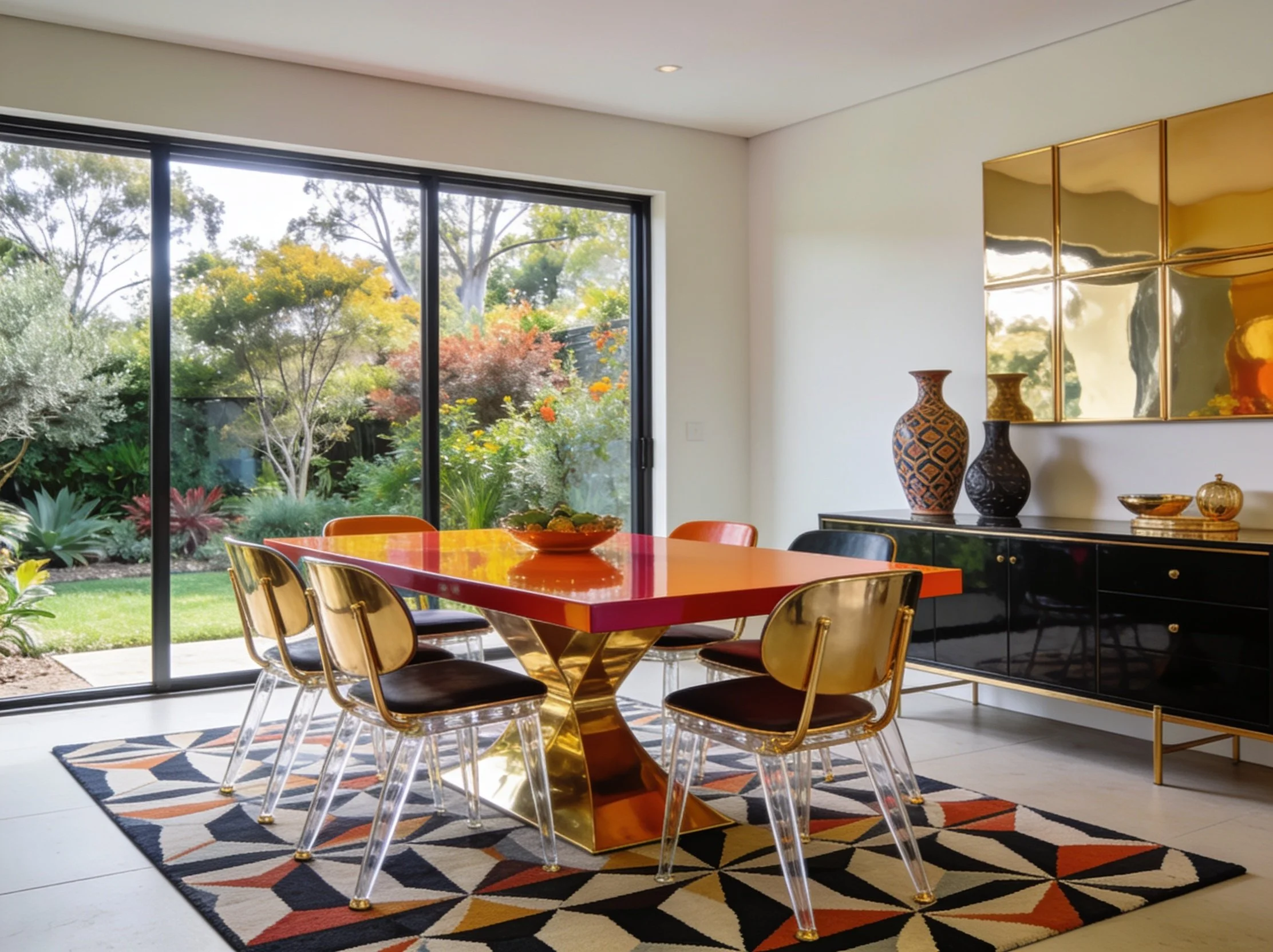
Your design archetype can be used in different architectural styles, such as a Monastic Antiquarian in a heritage villa or a Feral Aristocrat in a contemporary home.
In Case You Scrolled Too Fast
A style tells you what to buy. An archetype tells you who you are in a room — and why you love what you love.
The system runs on three sliders: Restraint ↔ Abundance, Meaning ↔ Sensation, Rooted ↔ Roaming.
Where they meet, you get eight archetypes, each with a distinct temperament.
It's diagnostic, not prescriptive — we don't impose a look, we find where your life lives.
Next up: The Reading (the quiz), then mixing archetypes with architecture.
Some people have a style. You have an archetype.
What's coming next
If you’ve ever wondered “How do I find my interior design personality” this is post one of three on the no-vanilla archetypes. Next, I'm handing you The Reading — a short interior design archetype quiz that finds your no-vanilla archetype and your shadow (the corner you flinch from, which is where your best risks hide).
After that, I'll show you the genuinely fun bit: how to mix an archetype with an architectural style so your home stops looking like a theme park and starts looking like you.
Can You Imagine… walking into a stranger's home and knowing, within ten seconds and before they've said a word, exactly how they think, what they're afraid of, and the one risk they're dying to take. I do this for a living. By the end of this series, so will you — starting with your own front door.
You don’t have a style, you have a design archetype. I am very excited to bring you ‘The Reading’, a free quiz like no other.
If you’re a guest here, please join our mailing list and enjoy expert interior design and renovation advice to help you create a home that reflects YOU!
Need extra help now? Please book a two-hour Design Power Session - in person or on-line - and pick my brains on any pain points or issues you have creating your best home. If you’re always buying the wrong thing for your home, join us for the next installment of The No-Vanilla Archetypes.
Love, Penelope xx - Interior Architect and Interior Designer
Beige is Banned. Luxury is Law. Apply Within.
FAQ’s On The No-Vanilla Archetypes
What are the No-Vanilla Archetypes?
The No-Vanilla Archetypes are a design framework created by Penelope Herbert at Plush Design Interiors that identifies your interior design personality rather than your interior design style. Where a style tells you what to buy, an archetype tells you who you are in a room — the underlying psychological position that drives what you love, what makes you feel at home, and what always feels slightly wrong regardless of how correct it looks. There are eight archetypes, each emerging from the intersection of three behavioural axes.
How are the No-Vanilla Archetypes different from design styles like Hamptons or Japandi?
Design styles are aesthetic categories — they describe what things look like. Archetypes are psychological categories — they describe how spaces make you feel and why. A Hamptons-style room can be created in any archetype's image; the difference is what you choose to emphasise within that aesthetic, what you add to make it feel personal, and what you leave out because it doesn't resonate with who you actually are. Styles expire. Archetypes don't.
How do I find my No-Vanilla Archetype?
Take The Reading — a free three-minute diagnostic quiz that maps your answers to one of the eight archetypes. It's built on three behavioural axes (Restraint versus Abundance, Meaning versus Sensation, Rooted versus Roaming) and produces a result that describes your relationship with space, objects and atmosphere rather than assigning you a trend label.
Can you have more than one archetype?
Yes — most people have a primary archetype and one or two secondary influences. The primary archetype describes your dominant design instinct; the secondary influences explain the tensions and contradictions that make your taste interesting. A room designed purely from one archetype can feel one-dimensional; a room that honours the primary archetype while acknowledging secondary influences feels layered and genuinely personal.
How does knowing my archetype help with a renovation?
It gives you a decision-making framework that doesn't rely on trend cycles, other people's opinions or resale anxiety. When you know your archetype, material selections, colour choices and furniture decisions become significantly clearer — you're choosing from who you are rather than from what's currently in the showroom. It also helps enormously in briefs with designers and builders, because you can articulate what you want at a psychological level rather than just pointing at pictures.
Is The Reading connected to a Design Power Session?
Not directly — The Reading is a standalone free tool that anyone can take regardless of whether they work with Plush Design Interiors. However, clients who take The Reading before a Design Power Session find the session significantly more productive, because the archetype vocabulary gives us a shared language for discussing what the home needs to feel right rather than just what it should look like.