Styling That Lies: What Adelaide Buyers Must See Beyond the Pretty Photos
Adelaide’s property market is hot enough to burn your brows off – and that’s before the downlights go on and the cushions get plumped.
In this kind of market, Adelaide homes practically sell themselves, but the styling? That’s selling you a story. And if you’re a high‑end buyer planning a renovation, you can’t afford to buy the story; you need to buy the bones. Which is why I’m talking about the pros and cons of property styling in a hot market.
Styling That Lies (a little): Why It’s Risky In A Hot Adelaide Market
Let’s be honest: in Adelaide right now, the combination of low stock, strong demand and short campaigns means you’re often walking into an open inspection already half in love. So this is a warning on mistakes buyers make with staged homes.
You’ve seen the beautifully edited photos, the “just so” cushions, the soft throw over the arm of the sofa – and by the time you arrive, you’re emotionally halfway to settlement. That’s exactly why property styling in Adelaide is so powerful: it turns a perfectly normal house into a “must‑have” lifestyle moment.
But here’s the twist: when the market is this hot, styling isn’t always about getting a home sold. It’s about making you move faster, think less, and overlook things you’ll have to pay for later. You’re not just seeing a living room; you’re seeing a marketing strategy. And as a buyer looking for a renovation‑ready home in Adelaide, you need to know which parts are real – and which are smoke and mirrors.


The Quiet Art of Hiding Flaws With Styling
Good property stylists aren’t villains. They’re doing their job: highlighting a home’s best features and turning down the volume on its not‑so‑cute bits. But if you don’t know what you’re looking at, you’ll assume “beautiful” equals “sound, practical and perfect for my life” – and that’s where trouble starts.
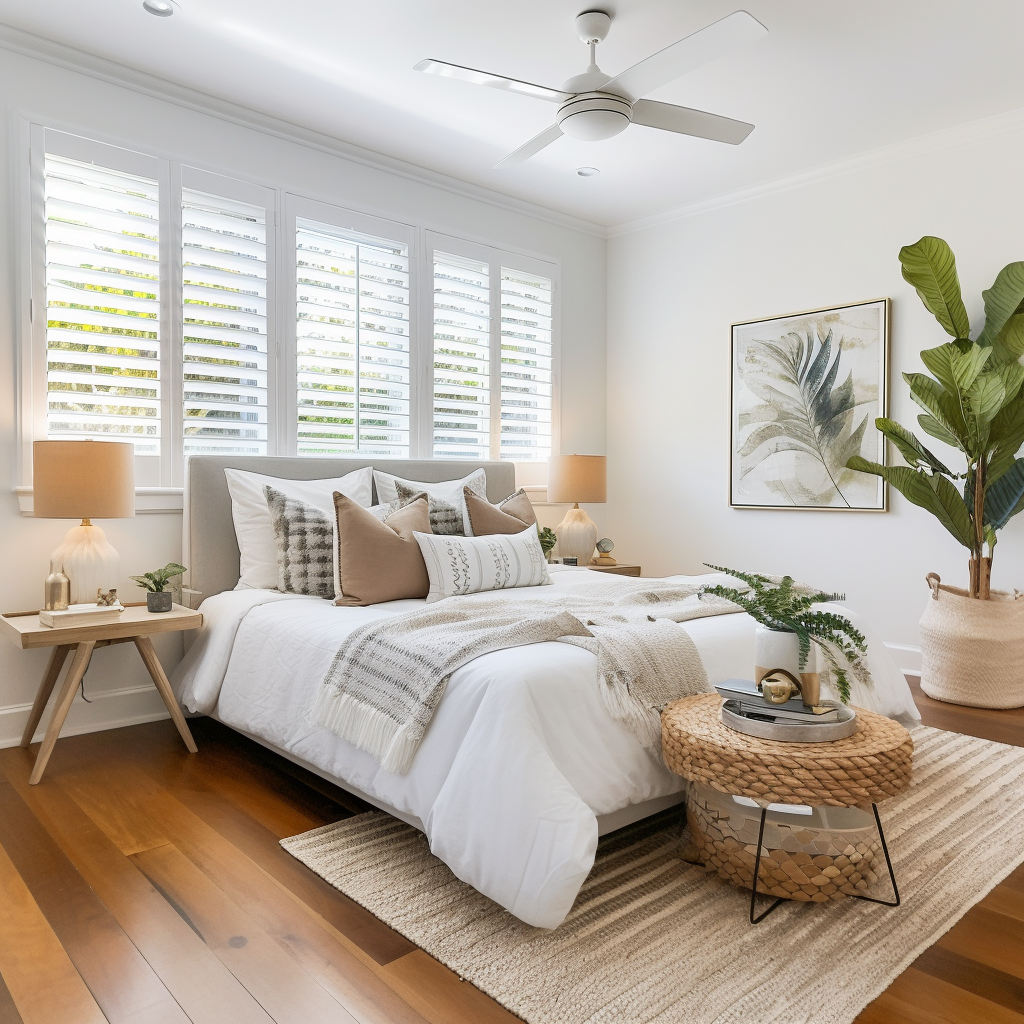
Think about how many times you’ve walked into a styled home and thought, “Wow, this room feels huge.” Then you mentally drop your own sofa into the space, and suddenly it’s more broom cupboard than ballroom. That’s not an accident. Small‑scale furniture, airy leggy pieces and round dining tables are often used in styled homes for sale to create the illusion of space. It’s a common home staging trick – and it works.
Rugs are another quiet magician. That oversized jute rug in the living room might be doing more than “grounding the furniture”; it could be hiding an old water stain, scratched boards or an awkward join between new and old flooring.
The same goes for art and decor. A large artwork conveniently sitting above a hairline crack, or a floor lamp placed exactly where the paint changes? That’s not just style. That’s strategy.
And then we get to what isn’t there. No curtains. No blinds. No flyscreens. No window treatments at all. From a stylist’s perspective, it looks clean, modern and “architectural”. From a buyer’s perspective, it should ring a tiny cash‑register alarm.
Replacing ugly or damaged curtains, blinds and flyscreens across a whole house is not cheap – especially in larger character homes in Adelaide with tall windows and odd sizes. Sometimes the seller has done the clever thing and simply removed the offensive items, leaving you to discover the cost of making the house liveable later.


What You Should Actually Be Looking At In Styled Homes for Sale In Adelaide
So if you can’t trust the cushions, what can you trust? This is where you flip from “ooh pretty” to “smart, strategic buyer energy”. When you’re house hunting in Adelaide, especially if you’re planning to renovate, the styling is set dressing – the real story is in the bones, the layout and the way the home will work for your life.
Start with the fundamentals:
Structure: Does anything feel uneven underfoot? Are there cracks that look more serious than cosmetic? Does the roofline look straight from outside?
Orientation and light: Ignore the lamps and look at where natural light is coming from. What direction do the main living areas face? When will you actually be in those rooms – and will they feel bright or gloomy?
Floor plan and flow: How do you move through the home? Does the layout support the way you live – kids, pets, guests, working from home – or will you be zig‑zagging around furniture forever?
Storage: Styled homes almost never show you real storage because real storage isn’t sexy. Open doors. Look at robes, linen cupboards, utility spaces and pantries. A “minimal” look may simply mean there’s nowhere to put anything.
This is where buying a renovation project in Adelaide becomes about more than just “potential”. True renovation potential comes from a solid structure, a workable floor plan and services (plumbing, electrical, gas) that can support your plans.
Styling can’t fix a terrible layout, a dark south‑facing living room or the fact that the only place for your fridge is essentially in the hallway.

The Fantasy Life Versus Your Real Furniture
One of the biggest traps with home staging in Adelaide is that it sells you a fantasy version of your life – the one where you don’t own a single ugly appliance, the kids never leave Lego on the floor, and you somehow exist without a drying rack. But you are not buying the stylist’s fantasy. You are buying a physical shell that has to house your actual mess, people and habits.
So while you’re standing in that beautifully styled living room, ask yourself some very real questions:
Where would my actual sofa go? Would it fit comfortably without blocking doorways or windows?
If I put my real dining table here, could people walk around it without turning sideways and apologising?
Where does the pram live? The dog bed? The laundry basket? The sports gear?
Can I see a spot for a home office that doesn’t involve putting a laptop on the kitchen bench every day?
This is the heart of practical house hunting in Adelaide: ignoring the fantasy and mentally moving your own life into the home. If you can’t see it working with your current furniture and lifestyle, no amount of pretty cushions will fix that. Yes, you may upgrade pieces over time, but most high‑end buyers don’t bin every possession the minute they get the keys.


Why High‑End Adelaide Buyers Should Bring A Designer To Opens
If you’re a high‑end home buyer in Adelaide and you already know a renovation is on the cards, you’re in an incredibly powerful position – if you know what you’re looking at. If you don’t, you’re essentially guessing how much work (and money) sits between the styled fantasy and your finished dream home.
This is where taking an interior designer house hunting in Adelaide becomes a game‑changer. A renovation‑savvy designer can walk into a property and instantly see:
What’s cosmetic and what’s structural.
How the floor plan could be reworked to suit the way you live – without needing to bulldoze half the house.
Where the real budget‑eaters are hiding: awkward plumbing runs, bad kitchen footprints, poorly located bathrooms, or living areas that will never get good light.
Instead of falling in love with a mood, you get a clear view of what it would actually take – practically and financially – to turn that house into your forever home. In a fast, competitive market, this isn’t indulgent. It’s smart risk management.
Your No‑Vanilla Buyer Mindset
So the next time you walk into a beautifully styled Adelaide home, enjoy the vibe – but don’t let it do your thinking for you. Styling is allowed to seduce you; it is not allowed to blind you. Ask better questions. Picture your real life. Imagine your own furniture, your renovation plans, your Sunday mornings, your school runs, your late‑night Zoom calls.
If you want a renovation‑ready home in Adelaide’s premium suburbs, your job is to see past the pretty and into the possible. That’s where the real value is for practical house hunting in Adelaide. And if you’d like a no‑vanilla, anti‑blah wingwoman to call out the catfishing in real time, that’s exactly why I offer design‑led house hunting sessions – so you buy with confidence, not cushions.
Love, Penelope xx
Interior Designer + Author of ‘Don’t Get Ripped Off By Your Reno’ and ‘A Home With A Pulse’. Both available on my e-book interior design and renovation resources page on my website.
Plush Design Interiors uses AI‑generated imagery to help illustrate design concepts and possibilities in a fast, flexible and cost‑effective way. These images are inspirational visualisations only and may not represent final selections, exact colours, finishes or products available in Australia. All real‑world Plush Design Interiors work, including all design, specifications, selections and purchases, are curated by a human interior designer and are confirmed with clients using accurate samples, supplier information and detailed documentation before any work proceeds.
FAQ’s for How Home Staging Hides Flaws
Do I still need to worry about styling in a hot Adelaide market?
Yes – homes may sell quickly regardless, but styling can influence how much you pay and whether you notice underlying issues.
Can home staging really hide problems with a property?
Staging is designed to highlight the best features and downplay flaws; clever placement and decor can shift attention away from cracks, poor layouts or tired finishes.
What should I focus on first when inspecting a styled home?
Focus on structure, orientation, floor plan, storage and noise, then think about how your current furniture would actually fit.
Is it worth bringing a designer to an open inspection?
If you plan to renovate, yes; a design professional can quickly assess renovation potential, likely costs and hidden constraints so you can make a confident offer.
Are ugly or missing window treatments a deal‑breaker?
Not usually; they can be expensive to replace, but they’re still a cosmetic layer, and more important issues like light, privacy and window quality should come first.
How do I know if a home has good renovation potential?
Look for workable layouts, solid bones, sensible services, and a block that can actually support your plans without complex approvals or costly service relocations.
Why is Adelaide different from other property markets right now?
Adelaide is currently characterised by tight supply, strong demand and forecasts of continued price growth, which keeps competition high and decisions fast.