
A designer’s guide to presenting, judging and renovating villas, cottages and retro homes without losing what makes them worth having
What should I know before buying or selling a heritage home in Adelaide?
When selling a heritage home, declutter your belongings but keep and showcase original features such as cornices, ceiling roses, fireplaces, tiles and timber floors. Painting everything white or removing originals hides what heritage buyers are paying for. When buying, look past the paint and styling, count the intact original features, and check for salt damp, cracking, old wiring, roof condition and asbestos with an inspector experienced in older homes. Before buying or planning changes, search the address in South Australia's Planning and Design Code. State and Local Heritage listings and Historic Area Overlays control demolition and alterations, and on a State Heritage Place even interior colour changes may need approval.
Buying or Selling a Heritage Home in Adelaide: Keep the Character
Adelaide is blessed with heritage homes: sandstone and bluestone villas, workers’ cottages, bungalows, art deco gems and mid-century retro homes with original terrazzo and breeze blocks. Every week, a surprising number of them go to market looking like the same house.
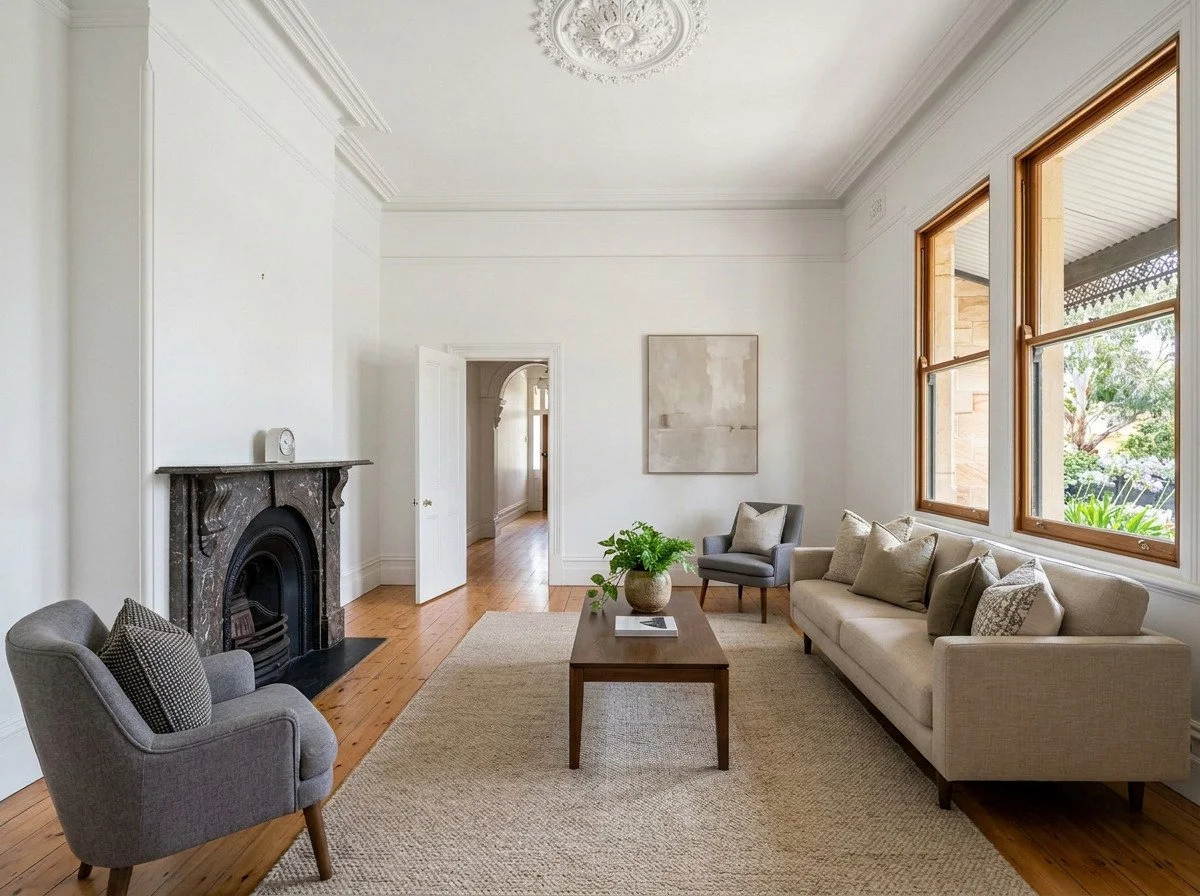
White walls. White ceilings. White cornices. Pale grey tiles where something glorious used to be. A round mirror, a cream throw, one lonely fiddle-leaf fig.
Whether you’re selling one of these homes or hoping to buy one, the same truth applies: the character is the asset. Sellers tend to hide it, and buyers tend to miss it. This guide covers both sides, because in my design work I meet both. Vendors ask what to do before listing, and new owners call me a month after settlement, standing in a white hallway, asking what on earth the house wants to be.
Part One: Why Character Is the Whole Point
There’s an important difference between personality and character.
Personality is yours: the family photos, the souvenir spoons, the kids’ art, the slightly unhinged lamp you love. It’s portable. It goes in a box.
Character belongs to the house: plaster cornices and ceiling roses, marble or timber fireplaces, encaustic hearth tiles, Baltic pine floors, panelled doors, leadlight, picture rails, generous ceiling heights and the proportions of rooms built when people built for beauty. It isn’t portable, and it isn’t replaceable.
Most heritage-home mistakes, whether made by vendors, stylists, renovators or buyers, come from mixing the two up.
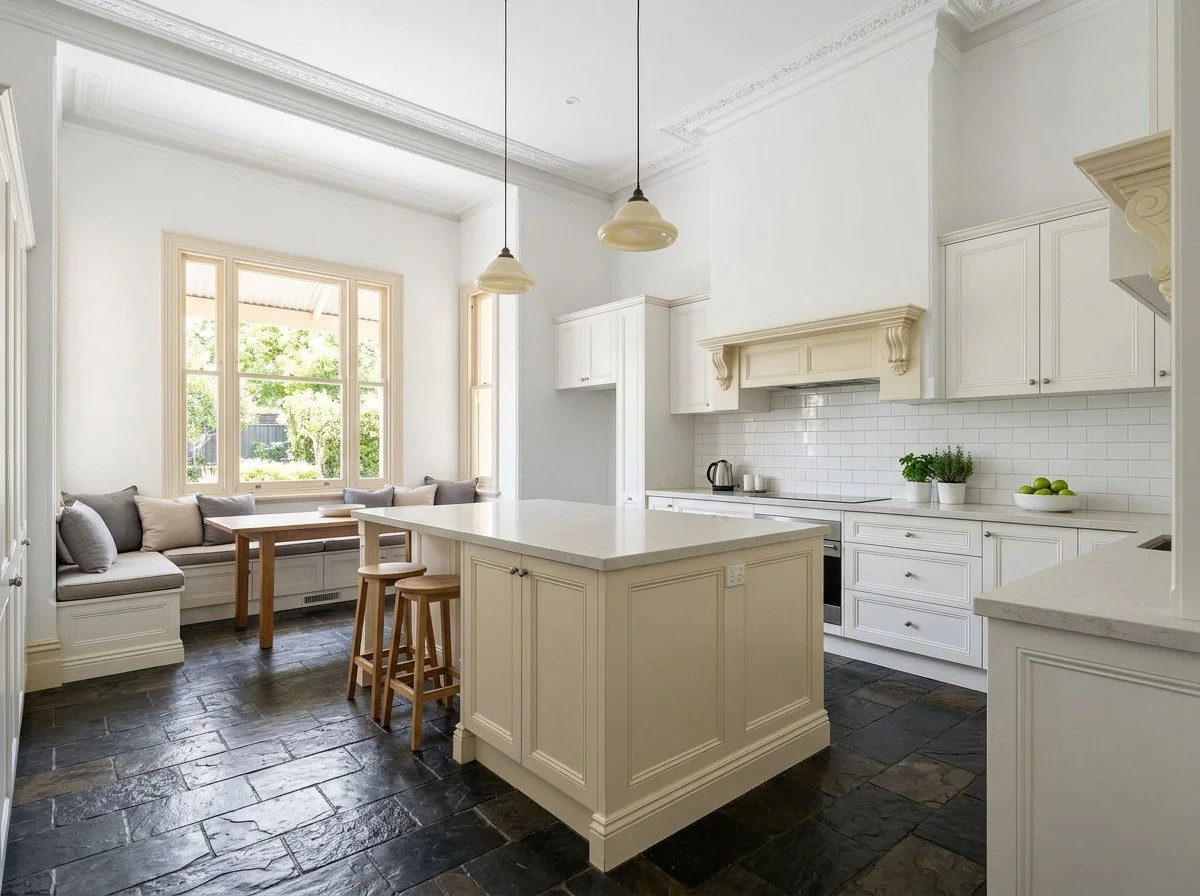
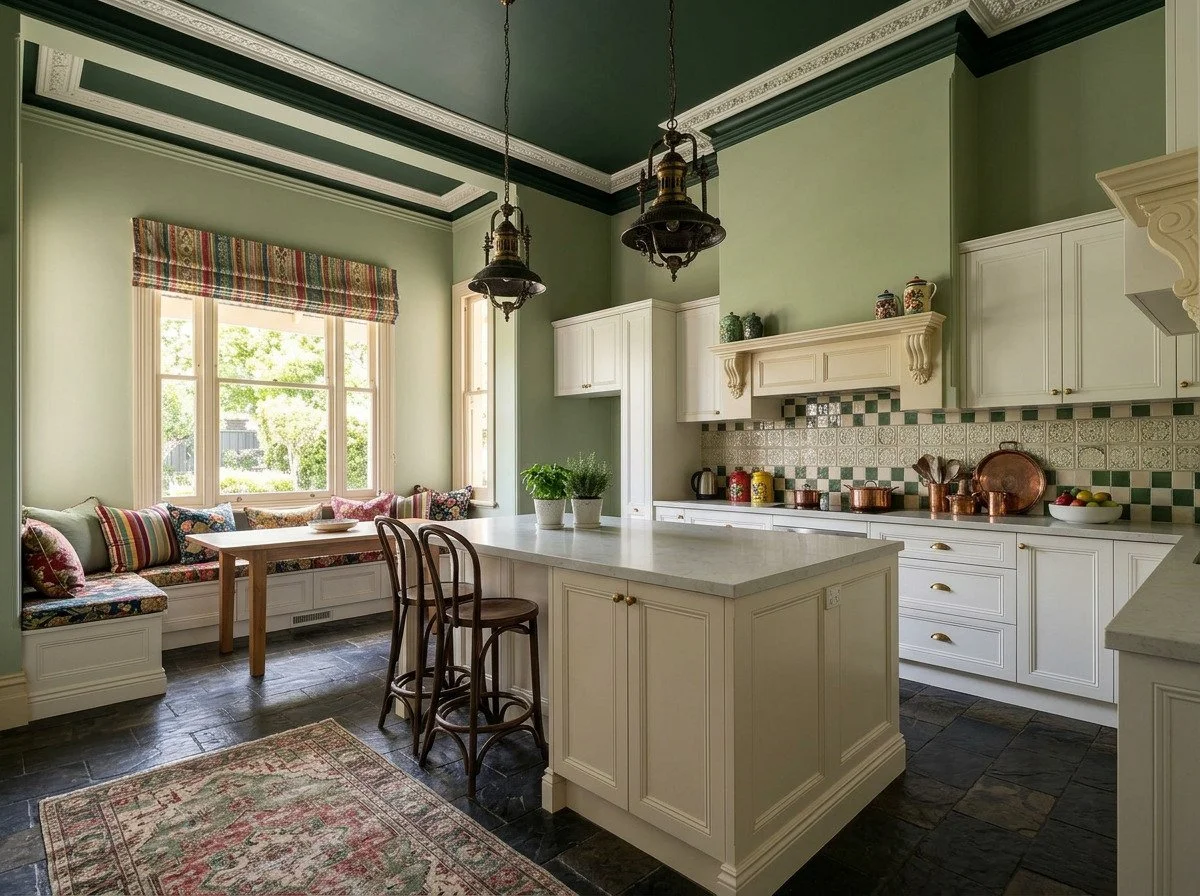
Please note: I scroll realestate.com.au all the time and see what could be beautiful heritage homes painted all white. I can’t stand it. However, those photos do not belong to me so I can’t publish them. I can, however, illustrate the points made in this blog post with Ai created by me. All images designed by me for this article.
Part Two: Selling a Heritage Home
Declutter, don’t de-character
Agents ask vendors to depersonalise for good reason. Buyers need room to imagine their own lives, and a room crowded with someone else’s belongings makes that hard. So pack up the photos, clear the benches, and move the treadmill out of the lounge. No argument from me.
The trouble starts when depersonalise quietly turns into de-character: every surface painted white, the fireplace boarded up, original tiles swapped for something neutral from a big-box store. That removes the very thing a heritage buyer is paying for.
What the evidence says (and doesn’t)
The case for beige is weaker than it sounds. A US study published in the Journal of Housing Research showed buyers the same home with neutral or “unattractive” walls and with good, ugly or no furniture. Those variations made no significant difference to what buyers said they’d pay. Empty and unloved rooms did drag down buyers’ overall impression of the home, though.
So nobody has shown that white-on-white earns vendors more money. What it reliably does is make a remarkable house look ordinary in a sea of listings.
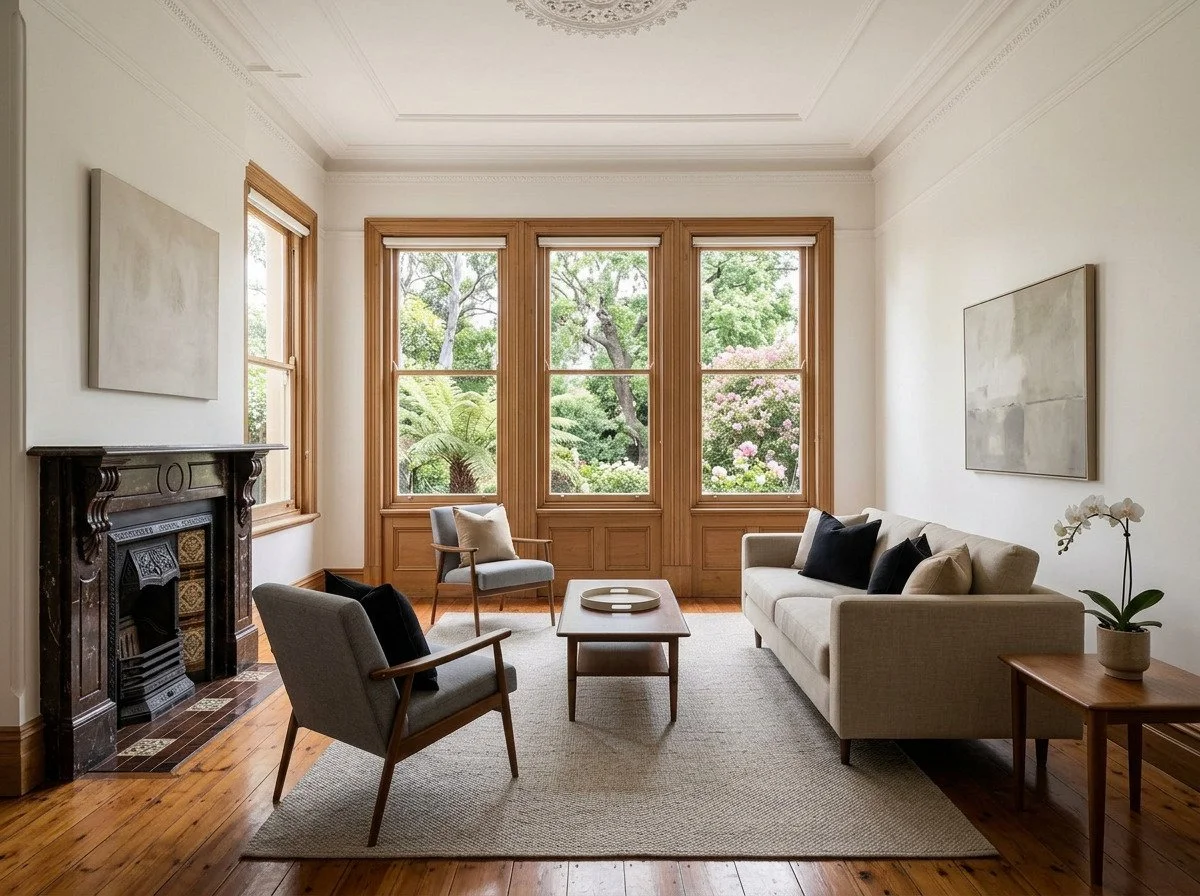
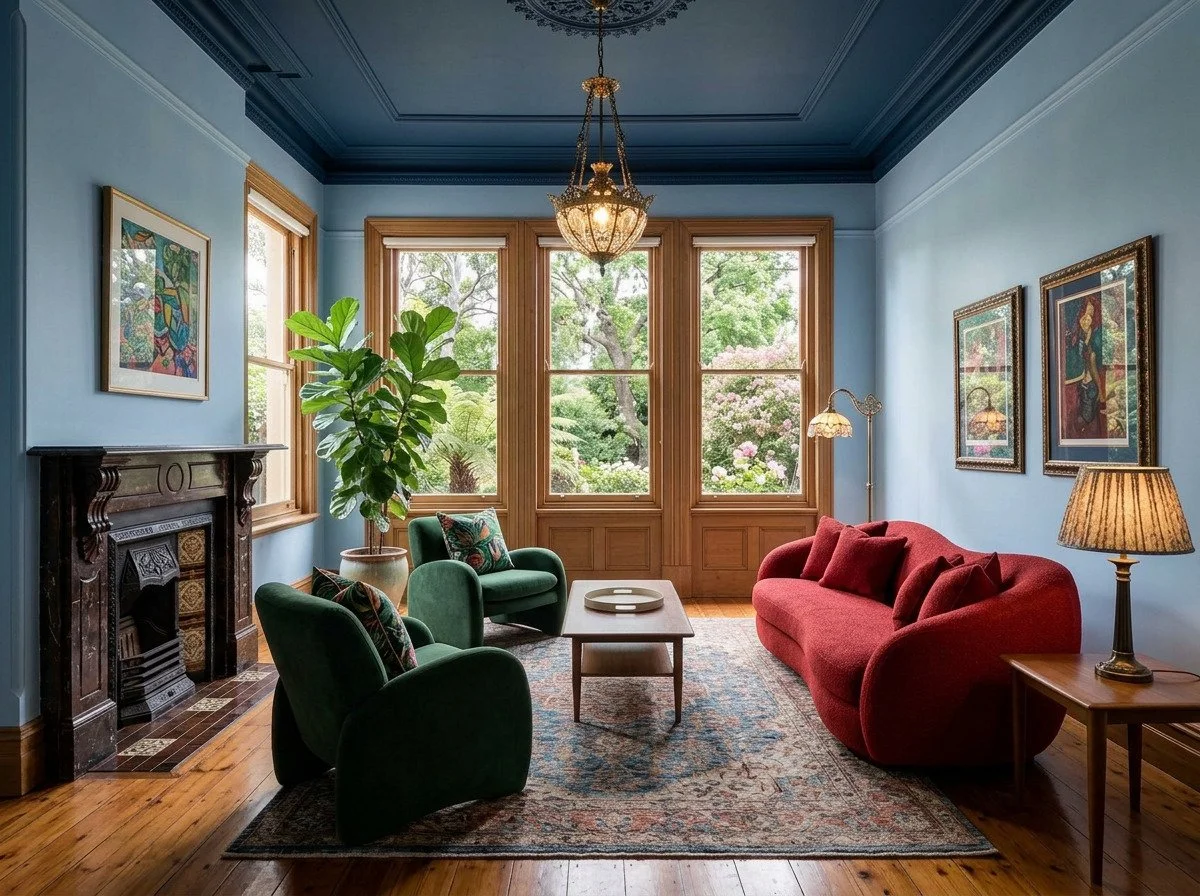
Use paint to reveal, not erase
The usual defence is “it’s only paint, the buyer can change it.” True. Which is exactly why it’s a waste to use paint to hide character when the same money can show it off:
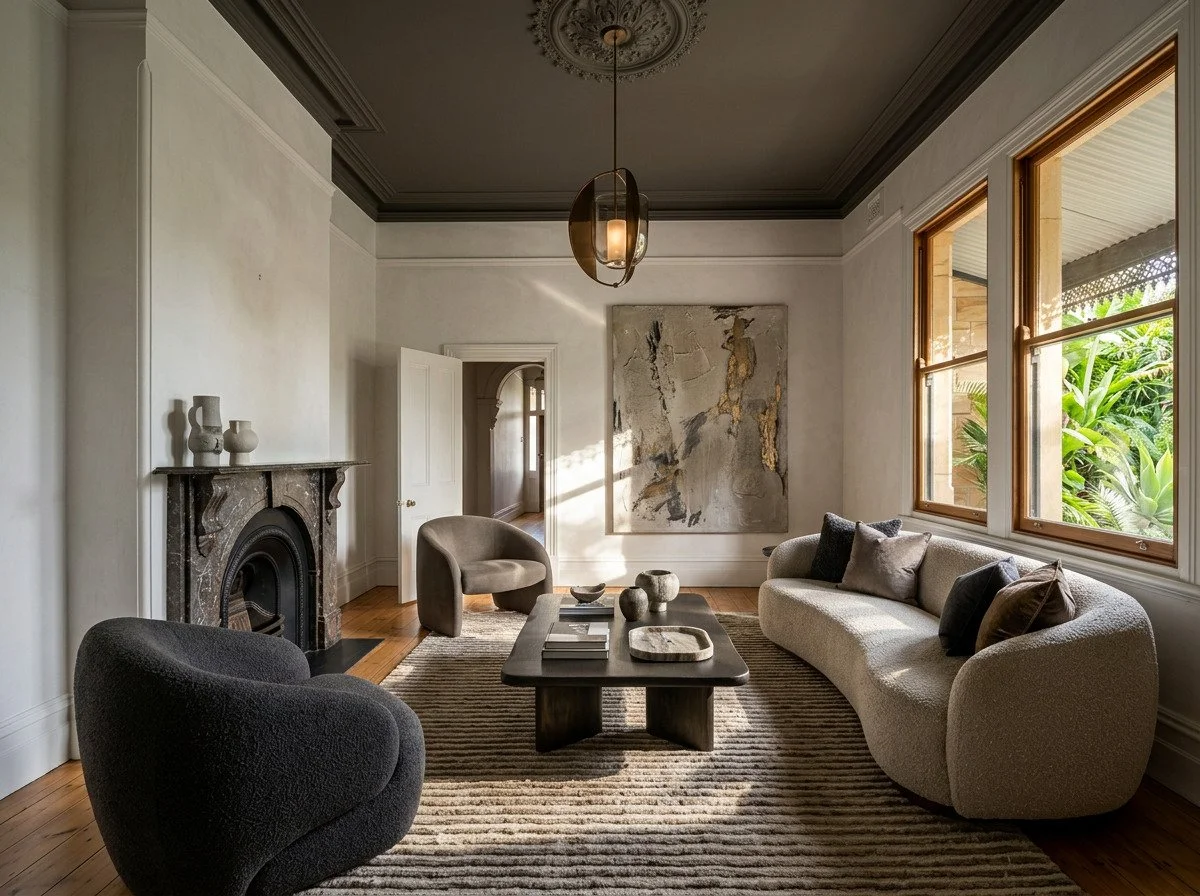
Pick out the cornice in a tone deeper than the walls, so the eye travels upward.
Paint the ceiling a considered colour to make the height feel deliberate.
Let one wall or room carry real colour instead of spreading timid beige everywhere.
Paint can be undone. Demolition can’t. Original hearth tiles in a skip don’t come back.
The heritage seller’s checklist
Declutter ruthlessly. Your belongings go, but the house’s features stay.
Clean and repair original features. Re-grout tiles, polish fireplaces, restore timber.
Reveal hidden assets. If there are floorboards under the carpet, say so in the listing, or lift the carpet.
Never remove an original feature to sell. You’re deleting the thing someone would pay for.
Style with restraint and soul. A few pieces with age and texture beat a truckload of cream throws.
Brief your photographer on the features. Ask for shots of the cornices, the fireplace and the ceiling rose, not just wide-angle rooms.
The impossible scenario: picture a dealer listing a 1928 Bentley and spray-painting it beige so buyers can “picture their own car”. Nobody would. Yet we do it to houses every weekend.
Part Three: Buying a Heritage Home
Look past the paint
At an open inspection you have thirty minutes, six other couples and an agent with a clipboard. Your job is to ignore almost everything that’s been styled. Buying a house for its cushions is like marrying someone for their haircut.
Paint, rugs, furniture and throws either leave with the vendor or disappear in a weekend. Don’t let a soulless scheme put you off, and don’t let a beautifully styled one seduce you.
Count the character
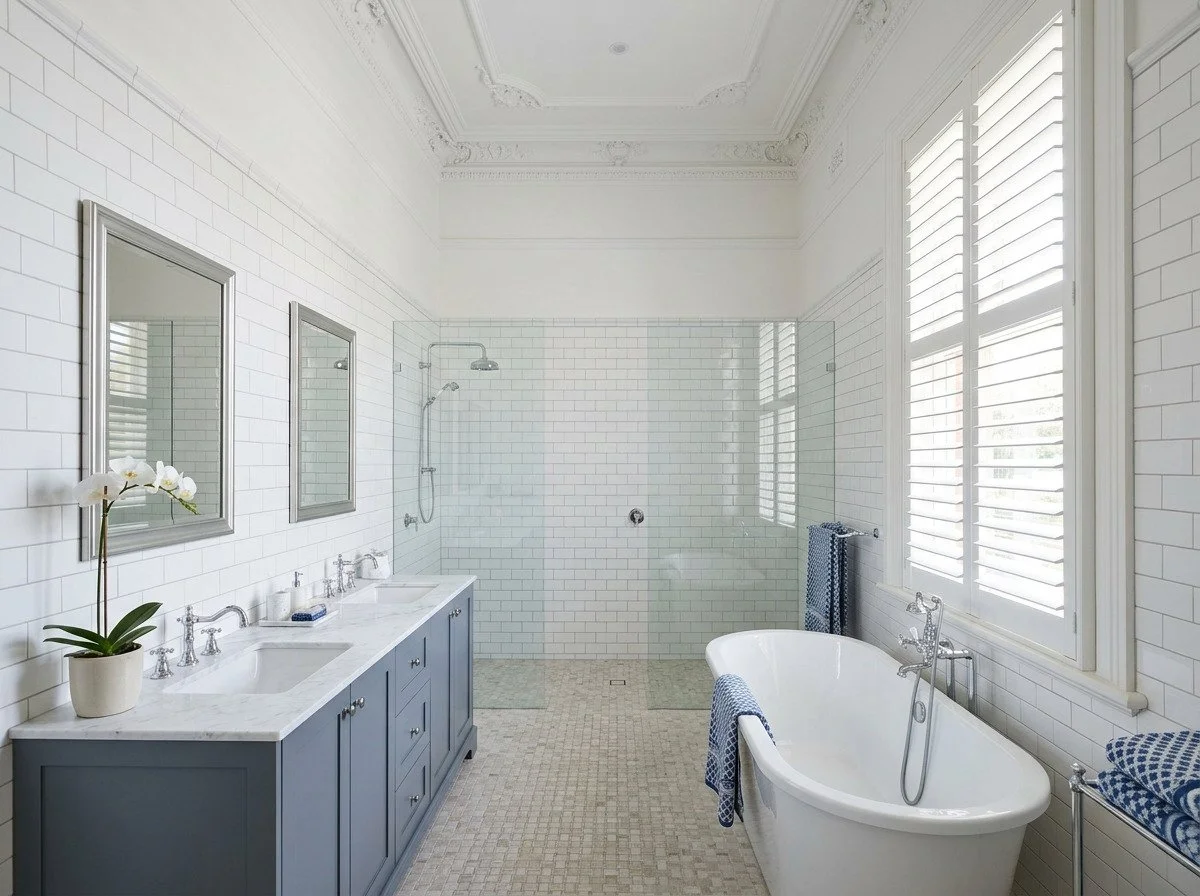
Walk through slowly and tally the originals: cornices, ceiling roses, fireplaces and tiles, floors, doors, leadlight, picture rails, joinery. Then look for what might be hiding: a boarded-over fireplace, boards under carpet, tiles under lino. Ask the agent. Vendors often know, and buyers rarely ask.
Read the bones
Proportion and ceiling height. These can’t be renovated in.
Light and orientation. A north-facing rear is gold in Adelaide, because that’s where you’ll extend and where you’ll live.
Flow. Does the floor plan suit how you actually live, or only how a brochure assumes you live?
The unglamorous checklist
Old houses have old problems, and none of them show up in the listing photos:
Salt damp: look for flaking paint and crumbling plaster low on the walls, common in stone villas.
Cracking: cracks above doors and windows can point to movement in Adelaide’s reactive clay soils.
Wiring and plumbing: these may be original or patched over decades.
Roof, gutters and ceilings: look for stains and sagging.
Asbestos: possible in homes built before 1990, especially retro and post-war homes.
Engage a building inspector experienced with old houses, not just new builds.
Part Four: Heritage Overlays (Read This Before You Fall in Love)
Before you buy, and before you plan works on a home you already own, search the address in South Australia’s online Planning and Design Code. The listing determines what you can change:
State Heritage Place: works needing approval can include changes to interior colour schemes and interior works affecting historic fabric. Yes, really: check before you paint.
Local Heritage Place: alterations, additions and demolition need approval.
Historic Area Overlay: demolition is controlled, and new work must respect the street’s historic character.
Character Area Overlay: guides how new work fits the street, with lighter controls than a Historic Area.
None of this is a deal-breaker. Think of it as a design brief. Some of the most beautiful extensions I see are the ones that had to respect a heritage façade.
Part Five: Renovating for the Long Haul
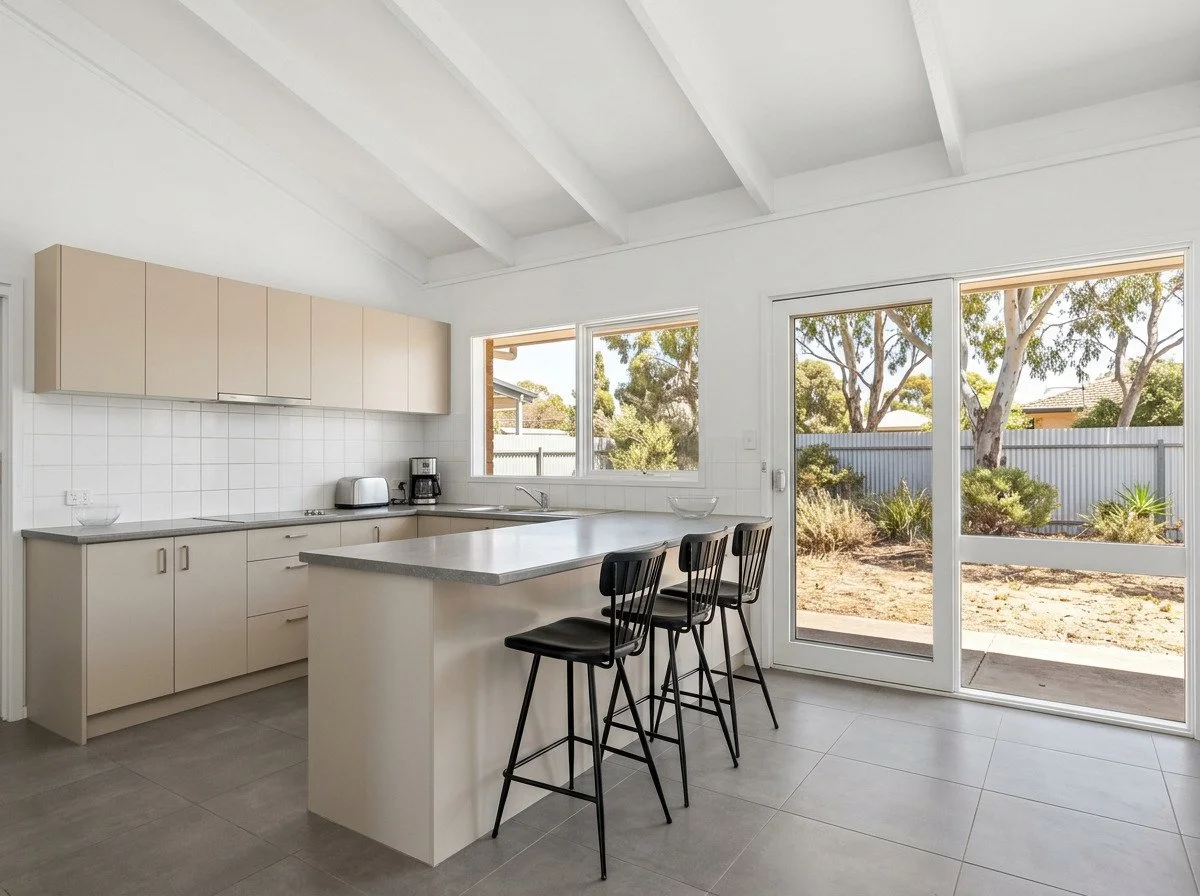
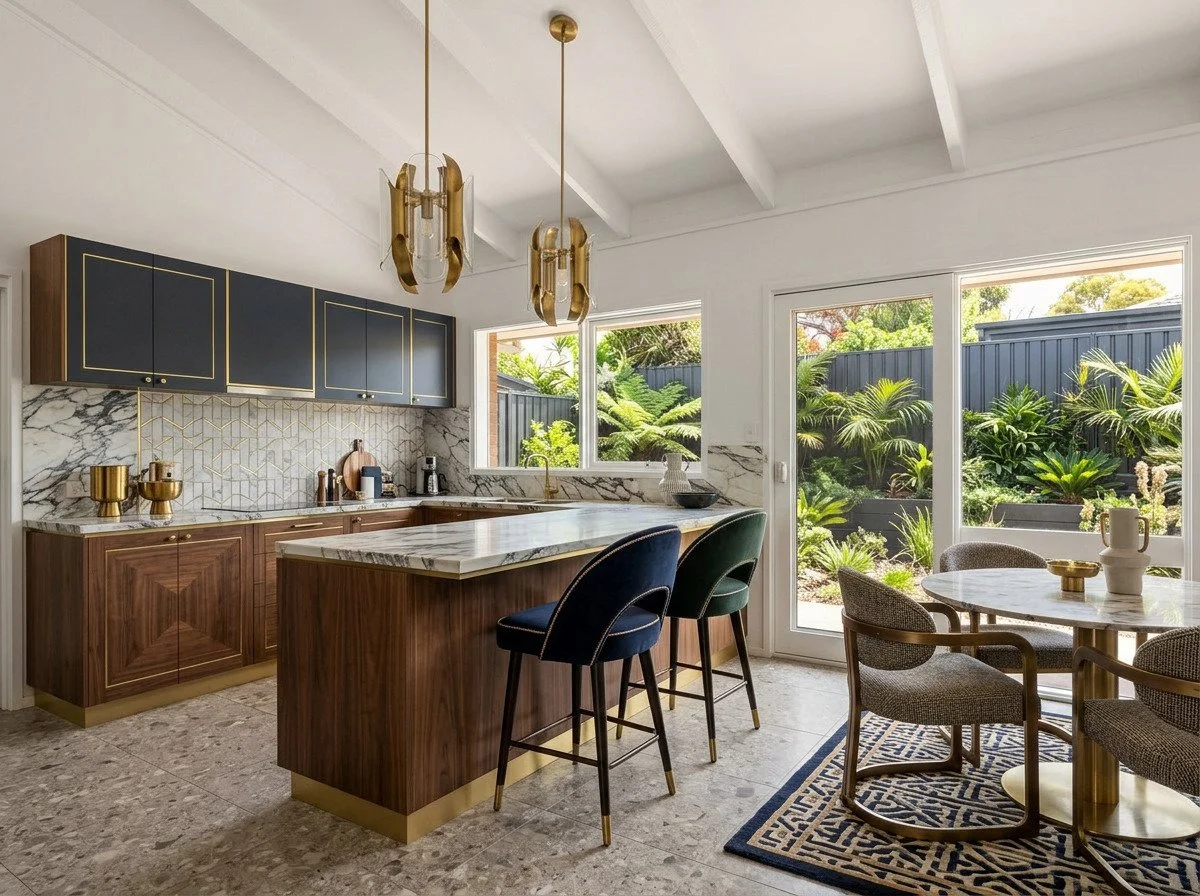
Many of my clients stay 10 to 15 years after a renovation or redecoration. That changes the question from “what will the next buyer like?” to “what will we love living with every day?”
It also means being smart about where you’re brave:
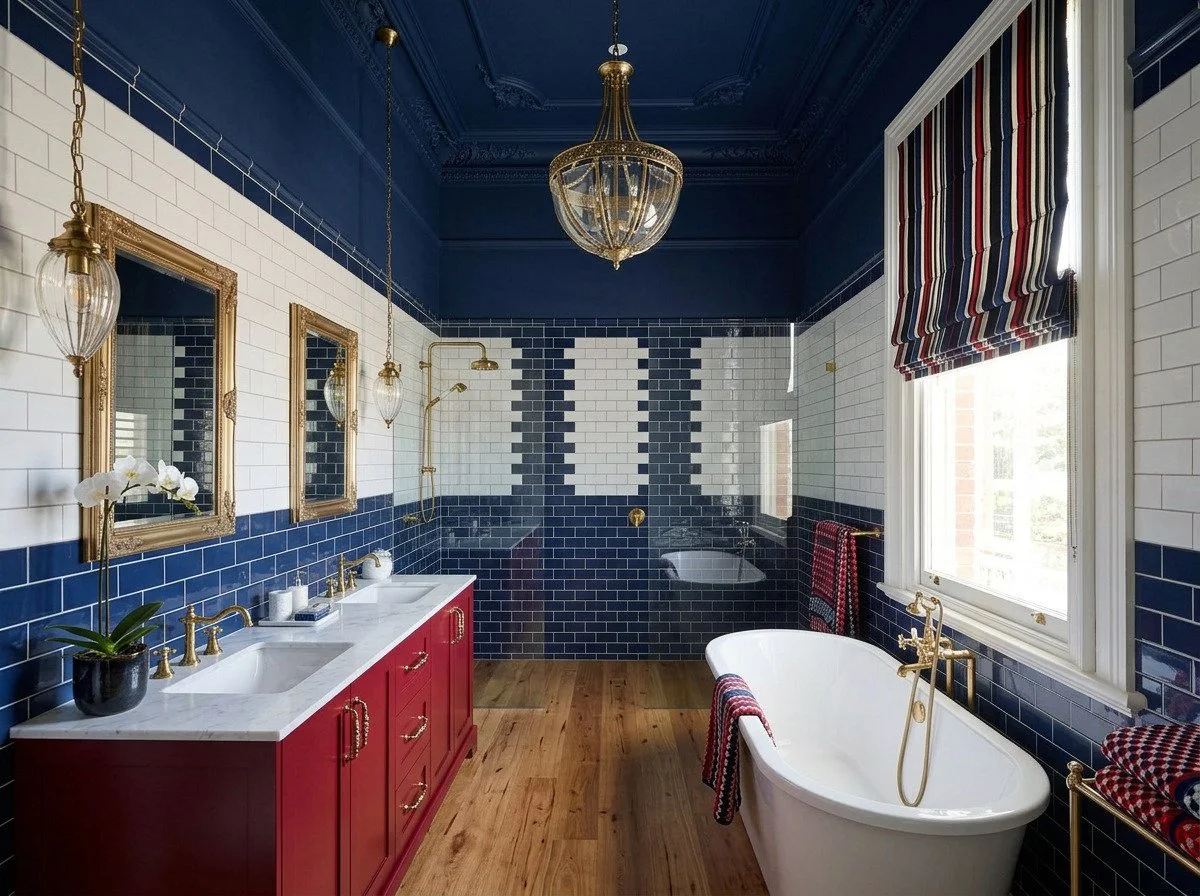
Be bold where change is cheap. Paint, wallpaper, textiles, lighting and furniture are where personality can run wild, and where it’s easy to evolve.
Be considered where change is costly. Tiles, natural stone, joinery and floors are long-term commitments. Choose them for longevity and for how well they suit the house’s era, not for this year’s trend.
Extend in a way that respects the original. A clear distinction between old and new usually serves both better than a fake-heritage addition.
The Kismet Moment
There’s a moment at some inspections when you stand in the hallway, under all that beige, and the house already feels like yours. For a seller, it’s the moment a buyer looks at the marble fireplace and thinks, that’s where the Christmas stockings go.
That moment is what sells heritage homes. It doesn’t happen in a white box. It happens when the house is allowed to tell its story.
Selling, Buying, or Just Bought?
A Design Power Session gives you two focused hours with an interior architect and interior designer, in person within 25 km of Aldgate (further additional fee may apply) or online via Zoom:
Selling? We’ll work out which features to reveal, what to repair, and what to pack away.
Buying? Bring me to the open home. I’ll see past the paint and tell you what the house could become before you sign.
Just bought? We’ll decide what to keep, what to change first, and where your budget does the most good.
$528 incl. GST · [Book your Design Power Session →] https://www.plushdesigninteriors.com.au/design-power-session
In Case You Scrolled Too Fast
Character belongs to the house and personality belongs to you.
Sellers should declutter their belongings but keep and show off original features.
Buyers should ignore the styling, count the features, check for damp, cracking, wiring and asbestos, and search the address for heritage overlays.
Be bold with paint and textiles, and careful with tiles, stone and joinery.
Then design for the 15 years you’ll actually live there.
Love, Penelope xx - Interior Architect and Interior Designer based in Aldgate, Adelaide SA
Plush Design Interiors uses AI‑generated imagery to help illustrate design concepts and possibilities in a fast, flexible and cost‑effective way. These images are inspirational visualisations only and may not represent final selections, exact colours, finishes or products available in Australia. All real‑world Plush Design Interiors work, including all design, specifications, selections and purchases, are curated by a human interior designer and are confirmed with clients using accurate samples, supplier information and detailed documentation before any work proceeds.
FAQs
Should I paint my heritage home white before selling?
Not by default. Declutter and clean, but use paint to highlight original features such as cornices and fireplaces rather than hide them. Neutral decor hasn’t been shown to raise what buyers will pay.Should I remove old tiles or fireplaces before selling?
No. Original features are irreplaceable, and they’re often exactly what heritage buyers want. Clean and repair them instead.What should I look for when buying a heritage home?
Look for intact original features, good proportions and light, and signs of salt damp, cracking, old wiring and asbestos. Check heritage overlays before making an offer.How do I check whether a South Australian home is heritage listed?
Search the address in South Australia’s online Planning and Design Code to see State or Local Heritage listings and any Historic or Character Area Overlays.Can I change paint colours inside a heritage home?
Usually yes, but on a State Heritage Place, changes to interior colour schemes may need development approval. Check with your council first.Can I extend a heritage home?
Often yes, with approval. Extensions typically sit to the rear, clearly distinguished from the original, and respect the streetscape.