
Wellness-Led Luxury Homes: The 2026 Interior Design Trends Transforming High-End Living
Luxury design is finally misbehaving, and that’s excellent news for anyone bored to death by “timeless” white boxes. The new high-end home isn’t trying to look expensive; it’s busy making you feel something.
Wellness-led luxury design prioritises how a home makes you feel over how it photographs — replacing the generic white-paint-pale-oak-chrome formula with spaces that address sensory experience, circadian rhythm, acoustic comfort and genuine lifestyle function. The defining features of a wellness-led luxury home in 2026 are: layered, tunable lighting that shifts from energising to restorative across the day; acoustic design integrated from the planning stage rather than applied as afterthought; natural and tactile materials chosen for how they feel underhand and underfoot; indoor-outdoor connections that bring air, light and nature into daily life; and spaces designed around how the household actually lives rather than how it might be staged for resale.
2026 luxury interior design trends
For years, “upmarket” meant white paint, pale oak, chrome tapware and a generic slab of engineered stone pretending it just flew in from Milan business class. Cute. Safe. Utterly unmemorable.
Now, 2026 luxury design has kicked off its heels, ordered a dirty martini and decided that personality, wellness and atmosphere matter more than showing off square metres.
In top-tier properties, wellness suites, biophilic architecture and intuitive tech are now headline features, not fringe extras.
High-end buyers want spaces that restore them, stimulate them and quietly perform in the background, not just rooms that photograph well for a real estate flyer.
Wellness as the new status symbol
The most expensive properties on the wellness luxury home market are boasting saunas, cold plunges, meditation rooms and circadian lighting long before they brag about a cinema or wine wall. Wellness real estate is now a defined sector, with research showing homes designed around health-focused features can command premiums of around 10–25% over standard properties.
Australia is one of the global hotspots for home wellness features, with luxury listings showcasing yoga studios, nature walls and advanced air and water filtration as core value drivers, not nice-to-have perks. In other words, how your home makes your body feel is now a measurable asset, not just a fluffy lifestyle line.
Deep, warm, deliberately decadent
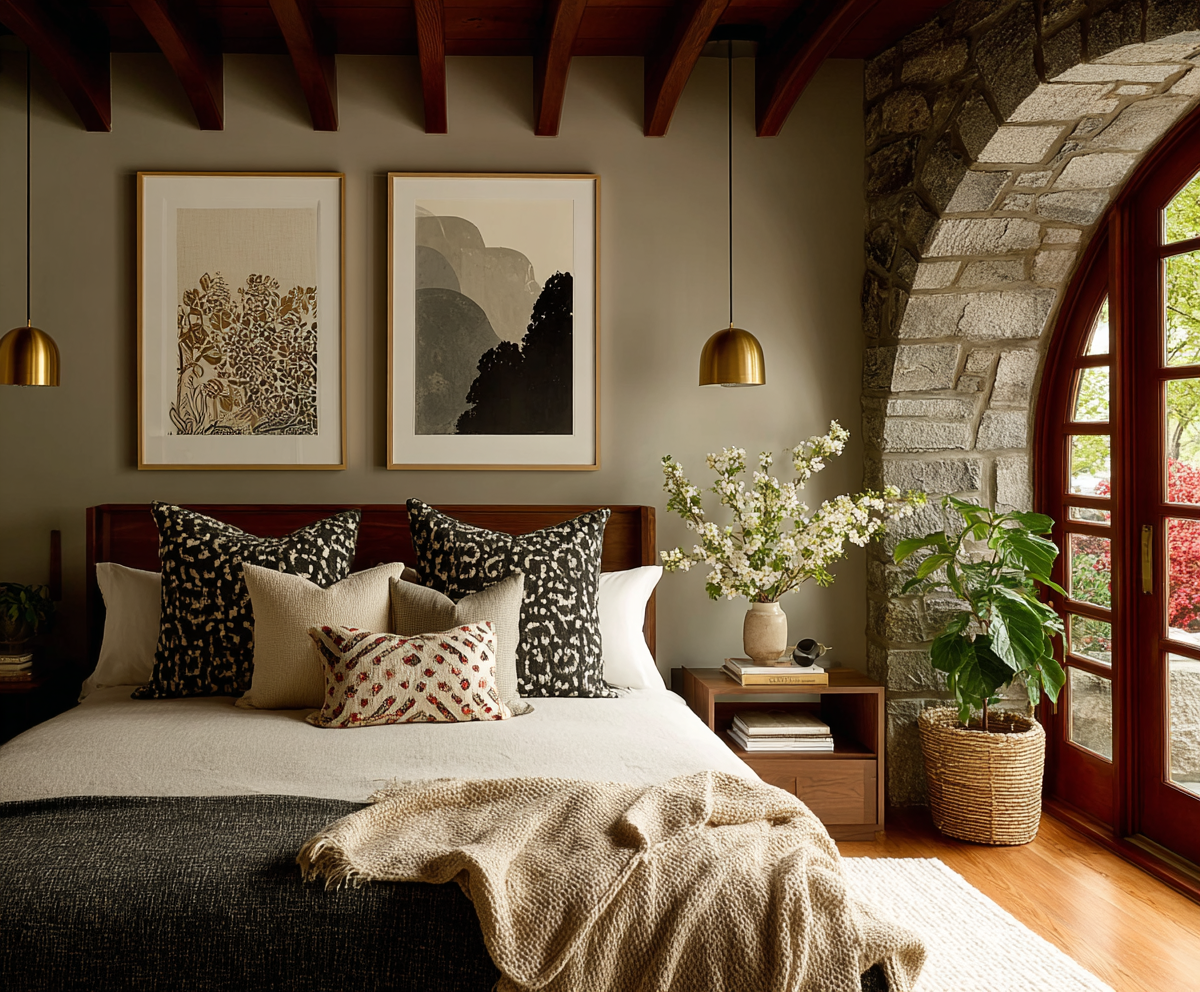
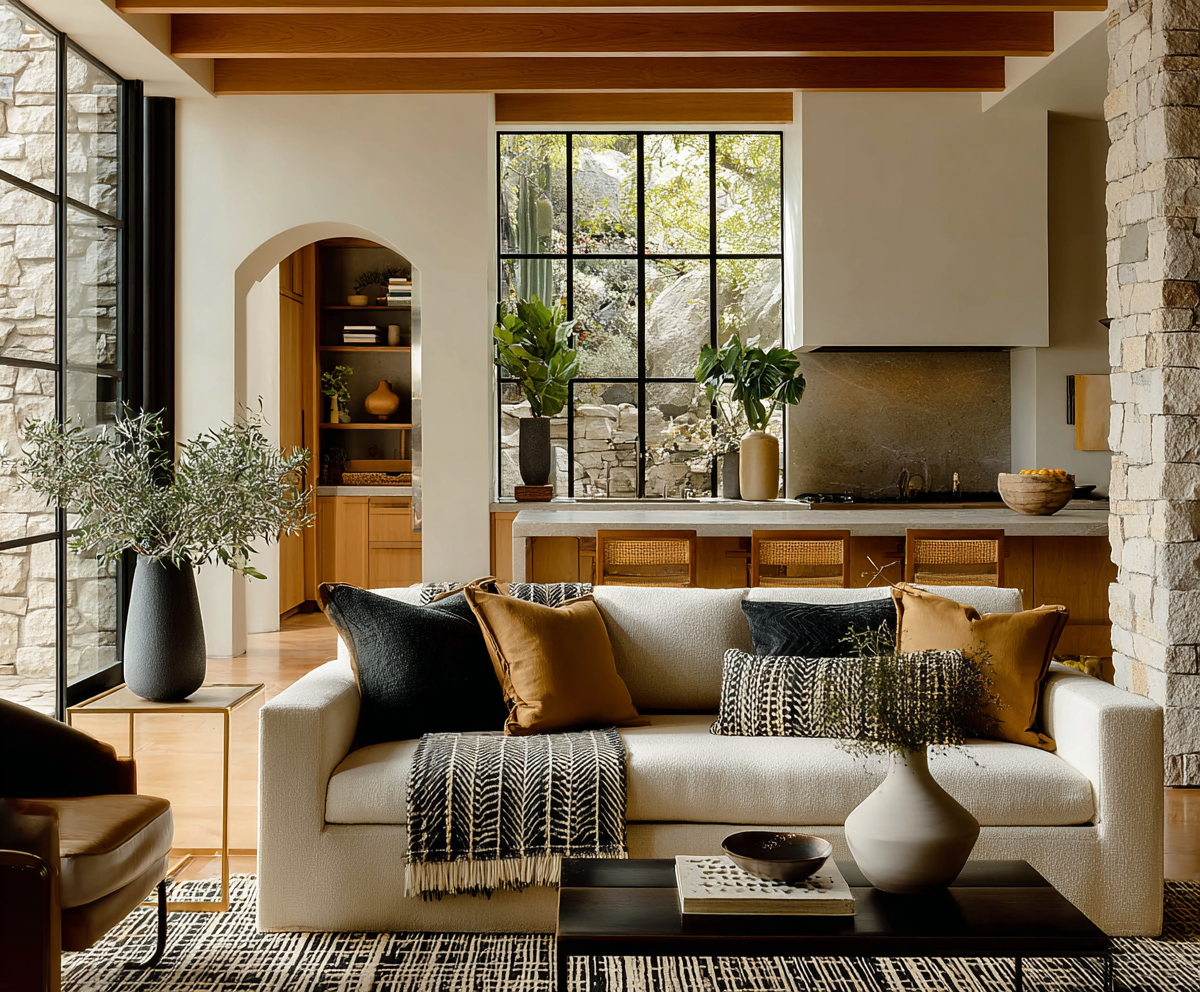
The pale-oak-everywhere era is finally losing its grip. Designers are pivoting to richer woods – think walnut, smoked oak and other dark, grounded timbers – combined with warm stone, textured plaster and layered lighting for warm luxury interiors that feel cocooning rather than clinical.
This shift to moodier materiality immediately signals “considered luxury” and is much harder to knock off with a budget moodboard. It gives depth, drama and instant gravitas to kitchens, living rooms and bedrooms that used to rely on yet another coat of flat white paint.

Homes that behave like resorts
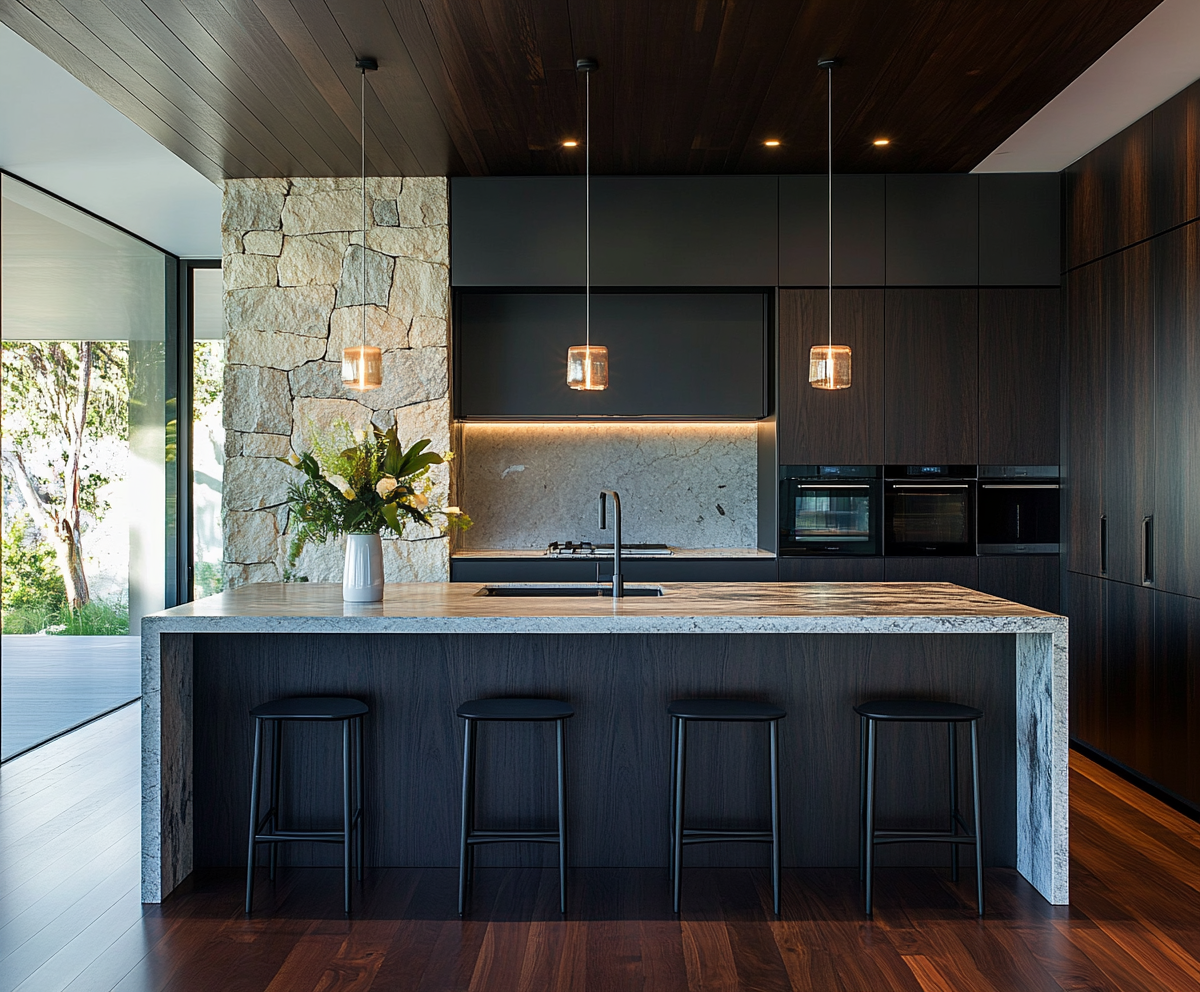
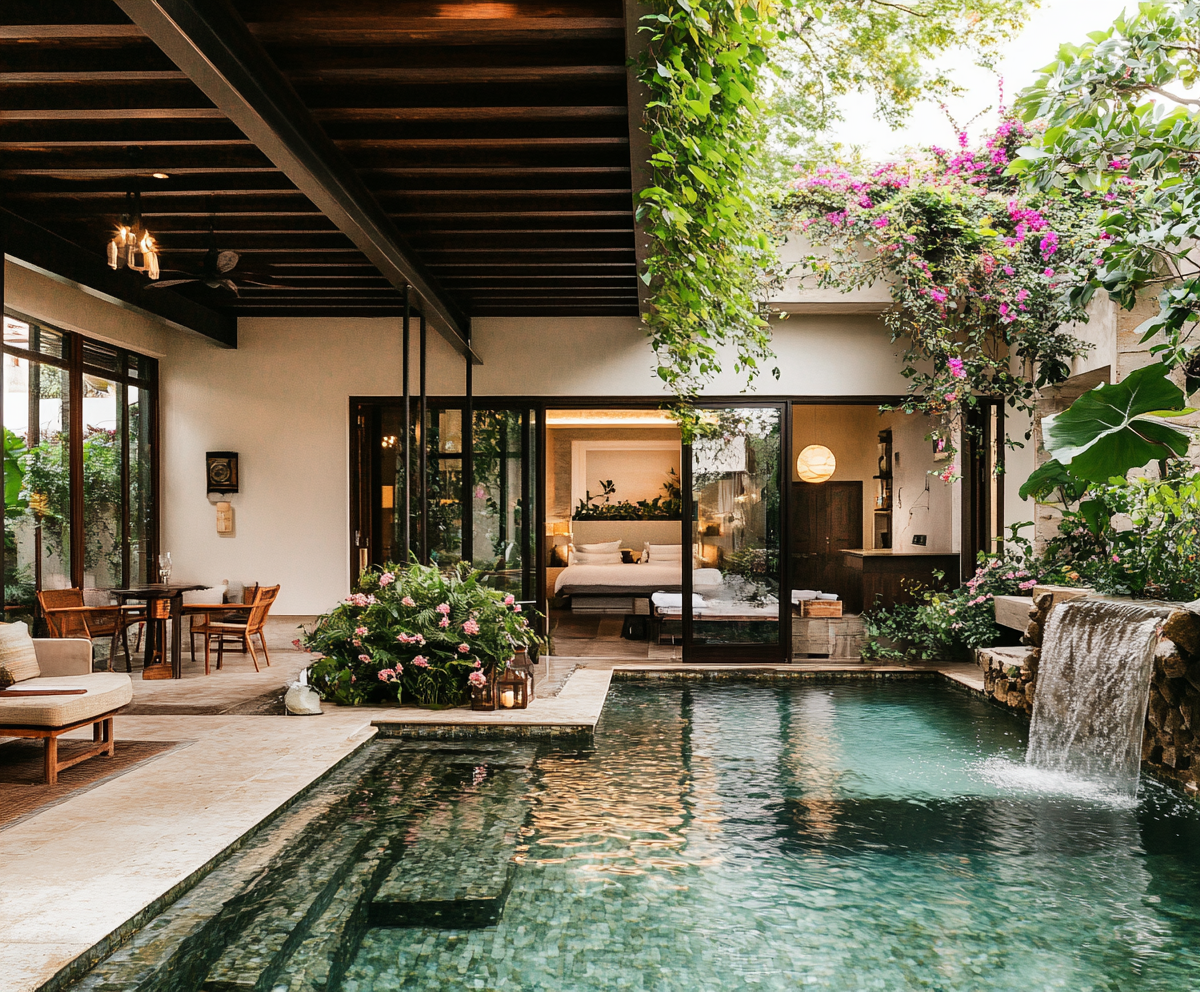
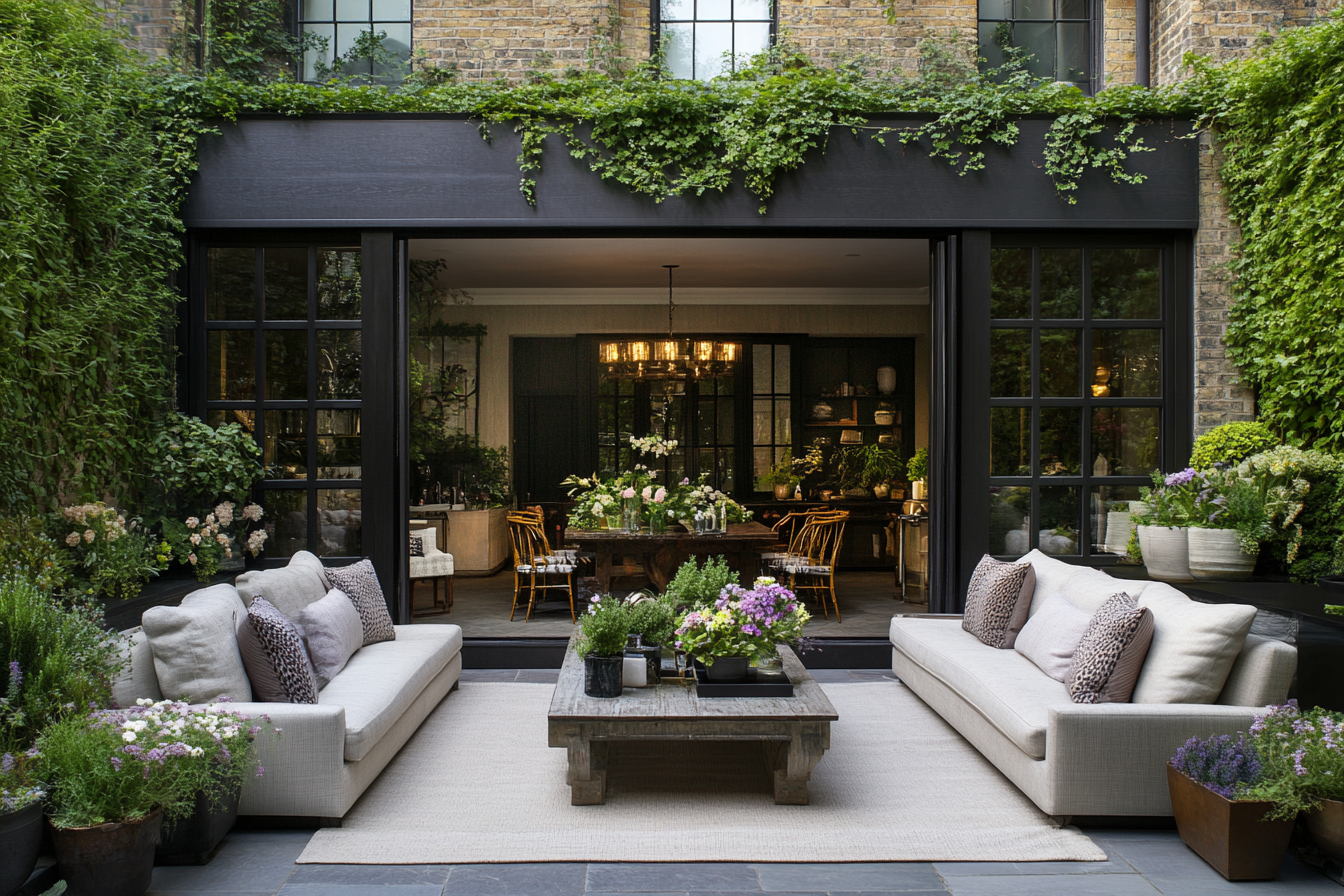
Biophilic home design and seamless indoor–outdoor living are no longer niche; they’re baseline expectations in luxury projects. Expect full-height sliders, continuous flooring from inside to terrace, green walls, internal courtyards and planting that wraps around daily life instead of sitting in one lonely pot in the corner.
Water soundscapes, fragrant planting, shaded outdoor “rooms” and restorative sightlines are all being treated like essential infrastructure rather than decorative afterthoughts. The goal is for your home to behave like a private resort or retreat, not just a shell you sleep in between work emails.
Layered, collected, not copy-paste
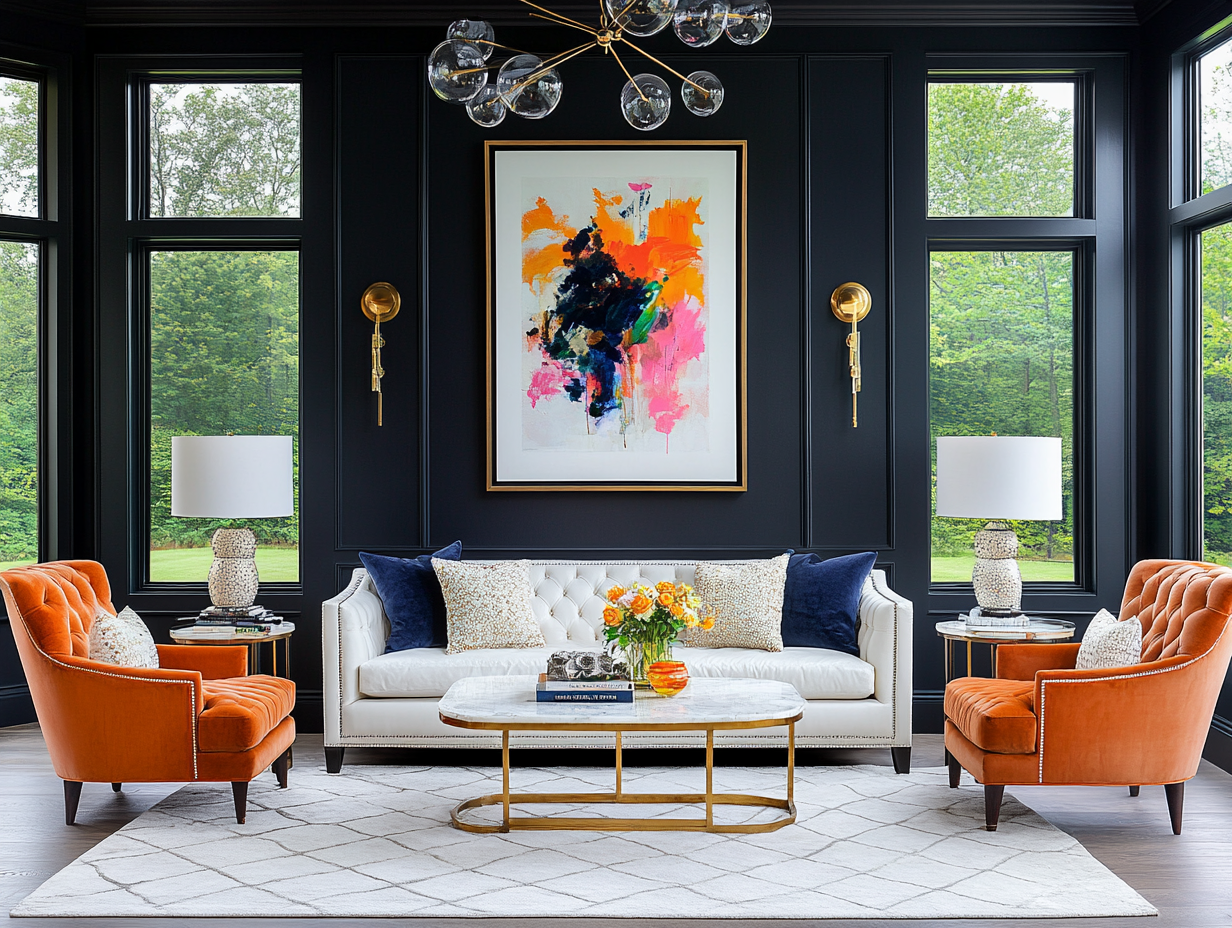
The most interesting 2026 interiors look curated over time, not ordered in one click. Designers are layering eras, finishes and textures – antique tables with contemporary sofas, bespoke joinery with tech tucked away – to create spaces that feel lived-in, intelligent and a bit mischievous.
Mixed metals are a key part of that story. The old “everything in one finish” rule is out; brass, nickel, blackened steel and chrome are being combined deliberately for subtle glamour and a bespoke, collected feel. Done well, it reads as confident and cultured, not chaotic.

Kitchens with main-character energy
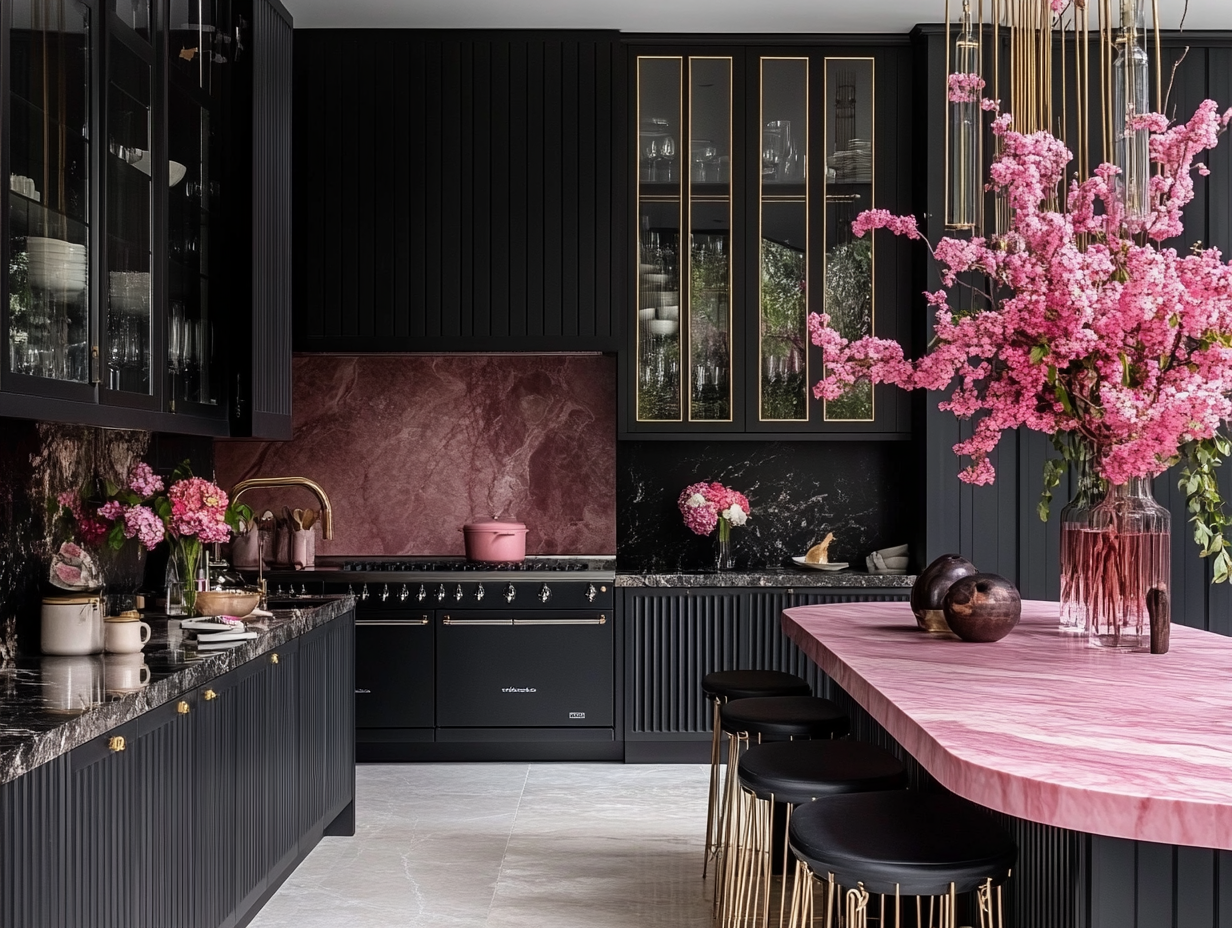
Luxury kitchen design is stepping fully into the spotlight with sculptural islands, expressive stone and furniture-like detailing. Rich wood cabinetry, deeply veined marble, fluting, ribbed fronts and softly glowing integrated lighting are all markers of high-end, 2026-ready spaces.
Instead of “big white rectangle with bar stools”, luxury kitchens now act as social hubs, cocktail bars and visual centrepieces in one. Back-of-house work zones are being concealed so the main kitchen can perform like a glamorous stage set when you’re entertaining.

Tech that feels sentient, not shouty
High-end homes are folding technology into the architecture so you experience the effect, not the gadget. Think hidden speakers, motorised blinds tucked into ceiling details, pre-planned AV spines, and smart systems that quietly manage light, temperature and sound in harmony.
Wellness-focused tech is also on the rise: air-quality sensors, acoustic treatment and tunable lighting schemes that support circadian rhythms are becoming standard talking points in luxury design briefs. The result is a home that feels calm and intuitive, even though it’s working incredibly hard behind the scenes.
Sustainable opulence with receipts
Sustainability has moved from “nice bonus” to core definition of modern luxury. Net‑zero or low-energy systems, passive design principles, upgraded insulation and high-performance glazing are now central to premium projects, especially in forward-thinking markets.
Natural, lower-impact materials – reclaimed timber, local stone, low‑VOC finishes and high-quality natural fibres – are used as part of the aesthetic story as much as the eco story. Clients want homes that feel indulgent but come with better running costs and a lighter footprint.
How to renovate with intent, not imitation
If you’re planning a renovation or new build, this version of luxury asks you to think strategically, not just shop harder. Start with the bones: circulation, glazing, indoor–outdoor flow and the envelope that will support rich materials, layered lighting and serious wellness features.
Then design your joinery and key spaces – kitchens, robes, media walls, wellness suites – as architectural statements that can carry deep timbers, sculptural stone, mixed metals and concealed tech. Finally, layer in art, textiles and collectible furniture so your home feels like a fascinating person to get to know, not a generic display home angling for a quick sale.
If you’re done decorating for imaginary future buyers and ready to create a home with presence, power and actual personality, this is your moment. The beige era is over; the no‑vanilla, wellness‑rich, gloriously complicated home is the new luxury benchmark.
Love, Penelope xx - Adelaide-based Interior Architect + Interior Designer
When you are looking for luxury renovation design please have a chat with us FIRST. Contact Plush Design Interiors today.
Now Available to Download - ‘Don’t Get Ripped Off By Your Reno’ and ‘A Home With a Pulse’ written by me, Penelope Herbert (interior architect + renovator) BUY NOW and save thousand$ on your future renovation.

Wellness-Led Luxury Home FAQ’s
-
A wellness-led luxury home is designed from the ground up to support your physical, mental and emotional health, not just show off finishes and square metres.
Think saunas, cold plunges, meditation rooms, circadian lighting, air and water purification, biophilic design and quiet, intuitive tech all working together to restore you, not exhaust you. -
Dedicated wellness suites with saunas, steam or infrared, cold plunge, yoga or Pilates space and meditation zones consistently sit at the top of buyer wish lists.
Layer that with high-performance air and water filtration, circadian lighting, acoustic control and access to nature and you are in the 10–25% value uplift territory seen in wellness real estate. -
The 2026 luxury home has officially retired the bland white box; rich timbers, moodier palettes, sculptural lighting and layered textures are the new status symbols.
Instead of copy-paste “minimal luxe”, designers are creating warm, cocooning interiors with personality, patina and atmosphere that feel curated, not staged for a sales brochure. -
Start by maximising your connection to nature with full-height glazing, indoor–outdoor flow, internal courtyards, generous planting and views to greenery or water wherever possible.
Then layer in sensory details – water soundscapes, fragrant plants, dappled light, natural materials and shaded outdoor “rooms” – so your daily life feels more retreat than rental. -
Deep, grounded timbers like walnut or smoked oak, warm stone, textured plaster, natural fibres and low‑VOC finishes create that cocooning, wellness-rich mood.
Mixed metals, tactile textiles, handmade tiles and soft, layered lighting keep things feeling human and sensual instead of cold, shiny and “developer standard”. -
Wellness-led tech focuses on how your body feels: circadian (tunable) lighting, smart climate control, air-quality monitoring, acoustic treatment and advanced filtration are key players.
Integrated systems that quietly manage light, temperature, fresh air, blinds and soundscapes in the background give you a calm, intuitive home instead of a noisy gadget showroom. -
Give the kitchen a strong visual story: a sculptural island, expressive stone, rich timber cabinetry, fluted or ribbed fronts, integrated lighting and furniture-like detailing.
Hide the hard work in a back-of-house zone or butler’s pantry so the main kitchen can behave like a cocktail bar, social hub and design showpiece in one -
Start with the “bones” – passive design, insulation, glazing, orientation and indoor–outdoor flow – then plan joinery, wellness spaces and lighting around how you actually live.
Choose durable, lower-impact materials, efficient systems and a layered, collected aesthetic so your home supports your health, slashes running costs and still feels unapologetically luxurious.
Plush Design Interiors uses AI‑generated imagery to help illustrate design concepts and possibilities in a fast, flexible and cost‑effective way. These images are inspirational visualisations only and may not represent final selections, exact colours, finishes or products available in Australia. All real‑world Plush Design Interiors work, including all design, specifications, selections and purchases, are curated by a human interior designer and are confirmed with clients using accurate samples, supplier information and detailed documentation before any work proceeds.