
The Biggest Interior Design Mistake You Don’t Even Realise You’re Making
You probably don’t realise that the biggest interior design mistake you’re making isn’t about owning enough cushions or the ‘perfect’ sofa. It’s playing it too safe while your home is quietly filing for emotional divorce.
The biggest interior design mistake isn't a wrong colour or a bad furniture choice — it's designing from fear rather than intention. Fear of colour. Fear of being wrong. Fear of what visitors will think. Fear of resale. The result is rooms that are technically fine and emotionally flat — spaces that look like they could belong to anyone and therefore feel like they belong to no one. Great design starts with understanding who actually lives in the space and what they need from it, then making deliberate, confident choices that serve that understanding. Safe design isn't neutral — it's just quietly disappointing.
Most smart, capable women do this without even realising. You follow resale advice, you copy what you see in display homes, you buy the same beige sofa everyone else bought because “it goes with everything”… and suddenly your home feels as exciting as watching paint dry – especially if it’s beige.
The biggest interior design mistake isn’t a colour or a sofa or a light fitting. The biggest mistake is designing by default instead of by intention.
Let’s unpack what that actually means – and how to fix it, without burning your house down or starting a six‑figure renovation.

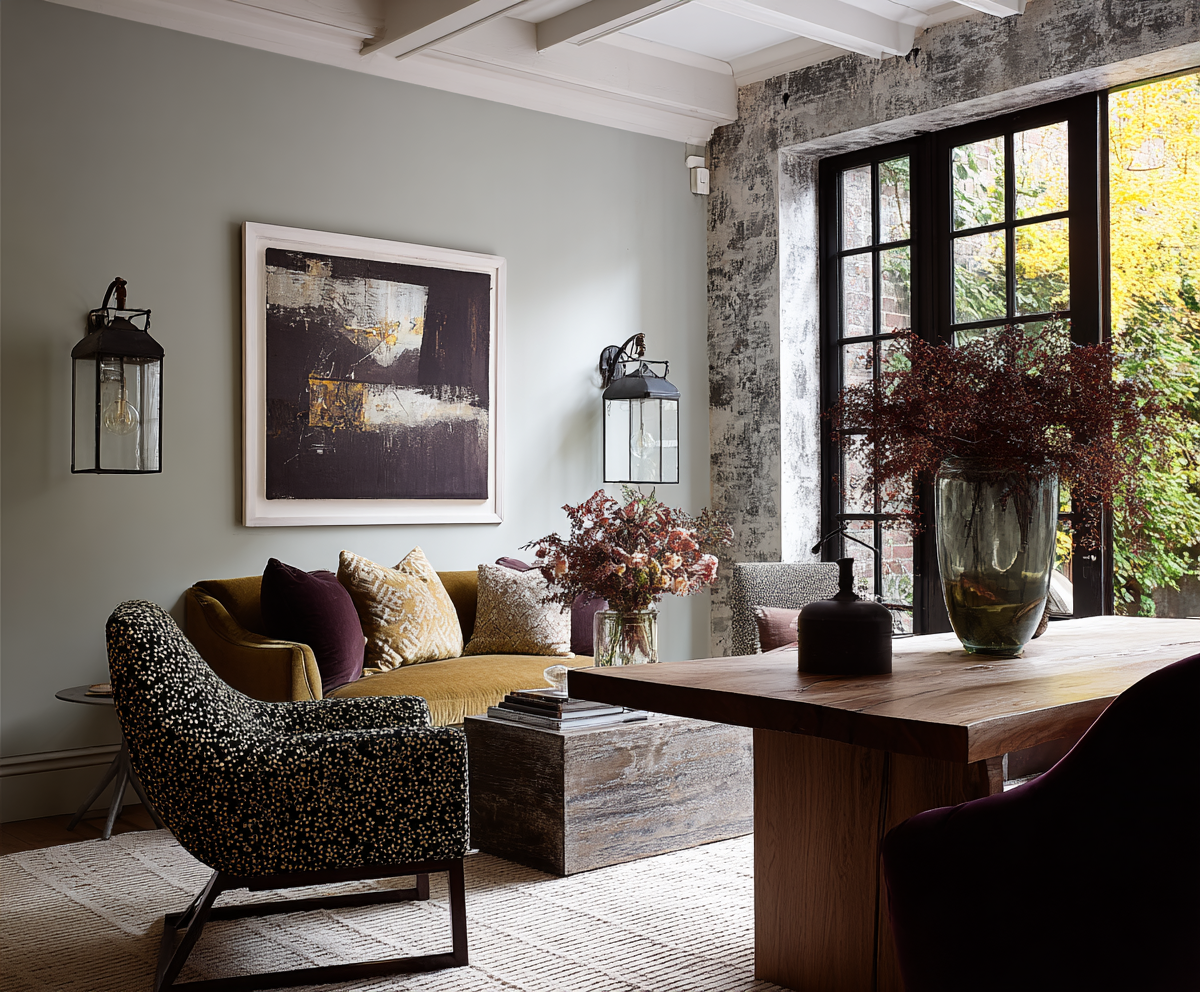
Yes, we use Ai tools to quickly bring to life our design ideas, and there’s nothing wrong with that. We control the Ai; it works for US and our clients who can easily see our suggested design direction.
The Real Problem: Designing by Default vs Designing On Purpose
The number one design mistake? Designing by default instead of by intention. Designing by default is what happens when your home is built out of other people’s opinions and the path of least resistance.
Designing by default looks like this:
Choosing beige because it “goes with everything” (translation: it stands for nothing).
Buying the full matching lounge or bedroom set because it’s easy and in stock.
You copy Pinterest boards and display homes instead of listening to your own taste.
Duplicating a Pinterest room and hoping the vibe will magically transfer to your real, messy, glorious life.
You make choices purely for resale, even though you’re the one living there now.
You end up with a space that technically “works” but has all the personality of a rental listing photo. It functions, but it doesn’t flirt, seduce, or tell your story. It’s a background, not a main character.
Designing on purpose looks completely different. It starts with how you want to feel and how you actually live, then uses colour, layout, furniture and lighting to support that – even if it’s not what the resale blog or your mother‑in‑law would choose.

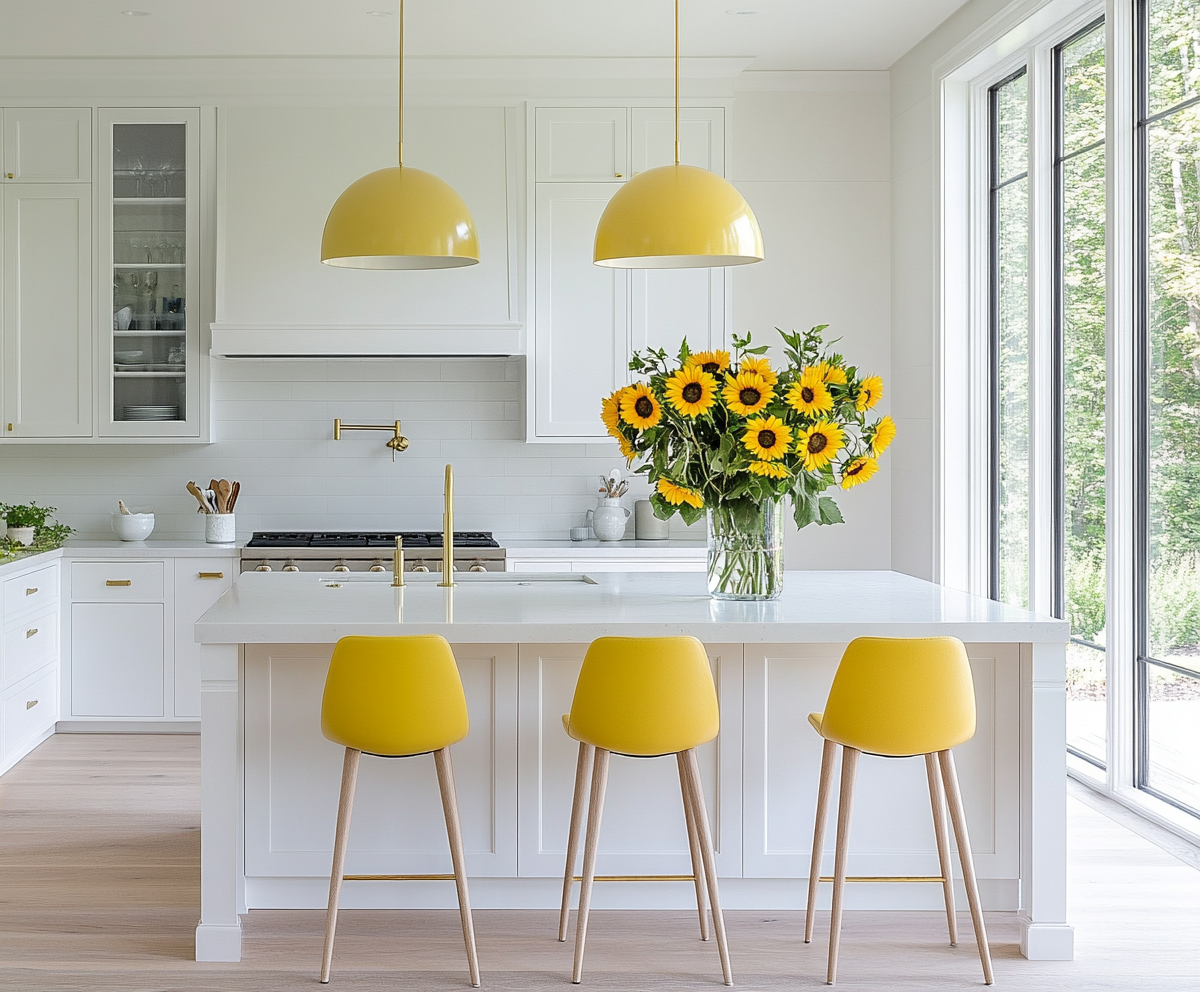
Why Your Home Feels Boring (Even Though You Tried Really Hard)
If your home feels boring, it’s not because you’re lazy or talentless. It’s because you’ve been designing for approval, not for you.
When every choice is about “Will this offend anyone?” or “What if I get sick of it?”, you end up with a room that could belong to absolutely anyone – which means it doesn’t fully belong to you.
Here’s what usually pushes people into default mode:
Fear of expensive interior design mistakes, so you pick the safest, most resellable option “just in case”.
Overwhelm from trends, reels, and renovation shows shouting conflicting advice at full volume.
Time and energy fatigue, so you grab whatever is styled together in the showroom and call it done.
You don’t need a personality transplant. You need to stop outsourcing your taste and start trusting it.


How to Fix The Biggest Interior Design Mistake
Here’s where we swap autopilot for intention – without needing a full gut-renovation or a lottery win. Once you see the “designing by default” pattern, you can’t unsee it. The good news is you don’t need a full renovation to change it – you just need to make a few braver, more intentional moves.
1. Introduce real colour (even if you’re colour‑shy)
You don’t have to paint the whole house teal to stop it feeling beige and blah. Start with one brave move:
A statement wall in a colour that makes you feel something – calm, energised, cosy, opulent.
A rug with actual pattern and personality, not just “slightly darker beige”.
Cushions, throws or artwork that pick up that colour so it feels deliberate, not random.
The aim isn’t a rainbow explosion; it’s a clear “I chose this on purpose” moment in the room.
2. Prioritise emotion over aesthetic
Instead of starting with “What style do I want?”, start with “How do I want to feel in this room?” Relaxed? Powerful? Playful? Seductive? Energised?
Then choose:
Colours that support that feeling, not just what’s trending.
Textures that make you want to touch them.
Lighting that flatters your life, not just your photos.


3. Mix old and new so it doesn’t look like a showroom
Over-matching is one of the quietest interior design killers.
Mix leg shapes, materials, and finishes instead of buying one full set.
Bring in one or two “imperfect” or vintage pieces to rough up the edges.
Layer art, books, and personal objects that look like they belong to a specific, interesting human (you), not a generic “young professional couple”.
Pair a modern sofa with a vintage sideboard or heirloom table.
Put a contemporary lamp on your grandmother’s chest of drawers.
Use a flea‑market chair as a statement piece in an otherwise polished room.
When you combine old and new, your home stops looking like a display home and starts looking like a life.

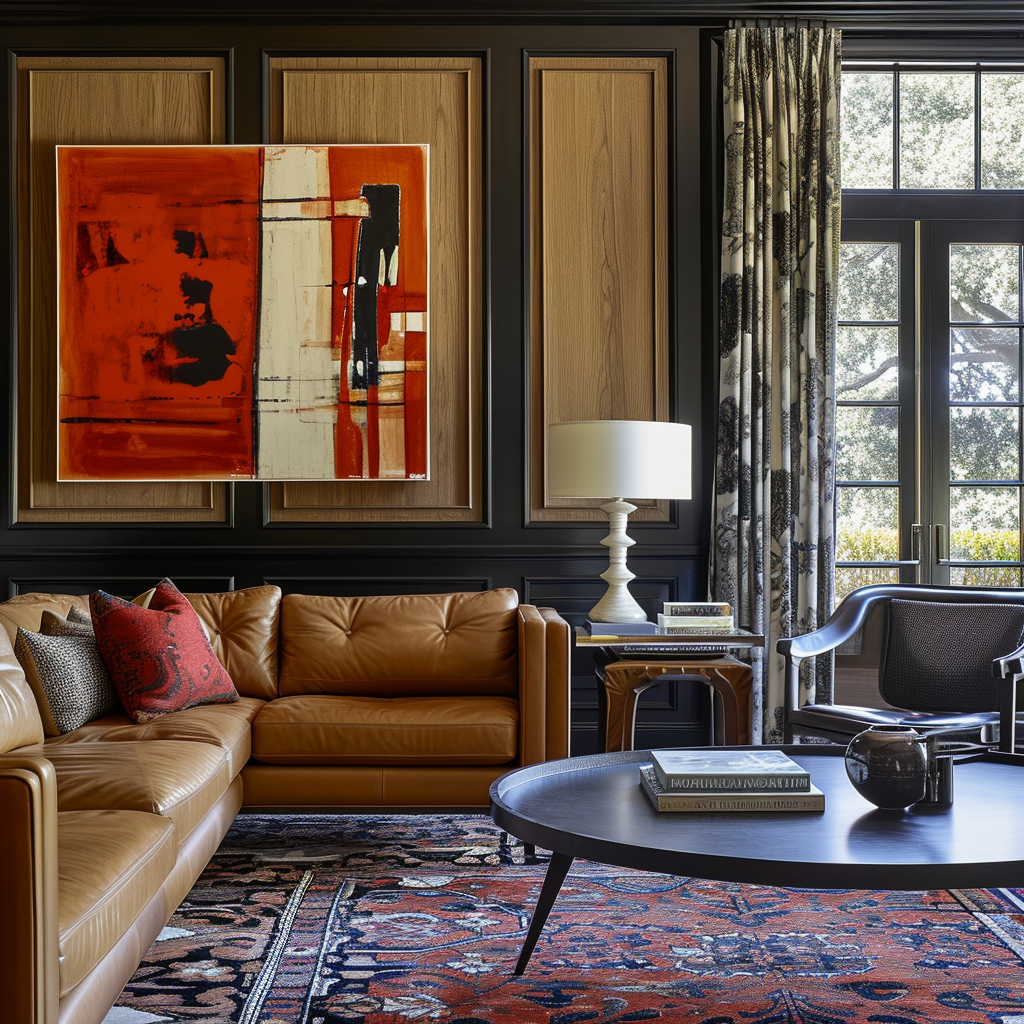
4. Make Your Home Biographical, Not Generic
Your home should read like a beautifully edited biography, not a bland CV.
Ask yourself:
Where in this room can someone read who I am – not just what I bought?
What stories are on display: travel, heritage, hobbies, obsessions?
If a stranger walked in, would they know anything about me beyond “likes neutral cushions”?


5. Choose one or two statement pieces instead of lots of “filler”
Clutter is not character. You don’t need 37 little knick‑knacks; you need a few strong pieces that carry the room.
One amazing artwork that actually fills the wall.
A bold coffee table instead of three tiny forget‑me‑nots.
A dramatic pendant over the dining table that you’re mildly obsessed with.
Anchor the room with something you love, then let everything else support it.
6. Play with your layout (yes, move the sofa)
If your furniture is still pushed up against every wall, your room is doing absolutely nothing for you.
Float the sofa in the room and create a cosy conversation zone.
Use a bookshelf or console as a room divider to create a “zone” for reading, work or play.
Angle a chair or two so the room feels more like an invitation and less like a waiting room.
Layout is free design. Shift things around until the space feels more intentional and less like the removalists just left.
Your Home Should Tell Your Story
The whole point of fixing this mistake isn’t to impress the resale market or win at Instagram.
It’s to live in a home that feels like a three‑dimensional version of you – your history, your quirks, your priorities, your future.
When you stop designing by default and start designing on purpose, your home becomes less about “Is this on trend?” and more about “Does this feel like us?”.
That’s where the magic – and the confidence – lives.


Ready to Stop Playing It Safe in Your Adelaide Home?
Your home is not a waiting room for the life you're planning to live one day. It's not a showroom for buyers who might come along in seven years. It's not a safe, inoffensive backdrop designed to offend nobody and delight nobody in equal measure.
It's where you live. Right now. Today. And it should feel like the most honest room in your life — the one place where nobody else's opinion gets a vote.
The biggest design mistake is choosing everything from fear. The fix is choosing one thing — just one thing — from joy instead. Start there. See what happens.
Design from joy. Not from fear. Not from beige.
Love, Penelope xx - Interior Architect and Interior Designer in the Adelaide Hills, Adelaide East, and Inner Southern Adelaide
Beige is Banned. Luxury is Law. Apply Within.
Interior Architect and Interior Designer - E-book Author ‘Don’t Get Ripped Off By Your Reno’ and ‘A Home With A Pulse’ - both available NOW for purchase + download.


FAQs About Interior Design Mistakes
What is the biggest interior design mistake most people make?
The biggest interior design mistake isn't a wrong colour, an oversized sofa or a badly placed mirror. It's designing from fear rather than from who you actually are — choosing safe neutrals to please hypothetical buyers, copying trends because they look acceptable rather than because they resonate, and accumulating furniture and accessories without a clear sense of what the room is meant to feel like. The result is a home that is technically fine and emotionally hollow.
How do you fix a home that doesn't feel like you?
Start with one room and ask one question: if this room could only keep five things, what would they be? The things you'd keep are the things that genuinely resonate — the starting point for a room that feels like yours. Everything else is worth interrogating. Does it add to the feeling you want in the room, or is it just there by default? Editing with intention is almost always more powerful than adding more things.
Why do so many Australian homes feel the same?
Because the same advice has been given to virtually every homeowner in Australia for thirty years: keep it neutral, keep it safe, maximise resale, don't take risks. The result is a national interior design vocabulary of white walls, pale timber, oatmeal sofas and stone benchtops that looks inoffensive in a photograph and feels like nobody in particular lives there. The antidote is designing for the person who actually occupies the space — with their specific personality, their specific lifestyle and their specific aesthetic convictions.
Is it too late to fix a home that has already been renovated?
No. Rooms can be transformed without structural changes through colour, lighting, textiles and the deliberate addition or removal of key elements. The order of intervention matters: lighting first (it changes everything and is often underestimated), then colour (walls or major upholstered pieces), then textiles and accessories. A Design Power Session is often the fastest way to identify the highest-impact, lowest-cost changes for a specific room.