
The Easy Secret Ingredient of Homes That ‘Feel Right’
Ever walked into a room and felt instantly at ease—like it just got you?
And then walked into another that looked perfect on paper but felt... sterile? That’s the difference between a home that has soul and one that’s just been styled.
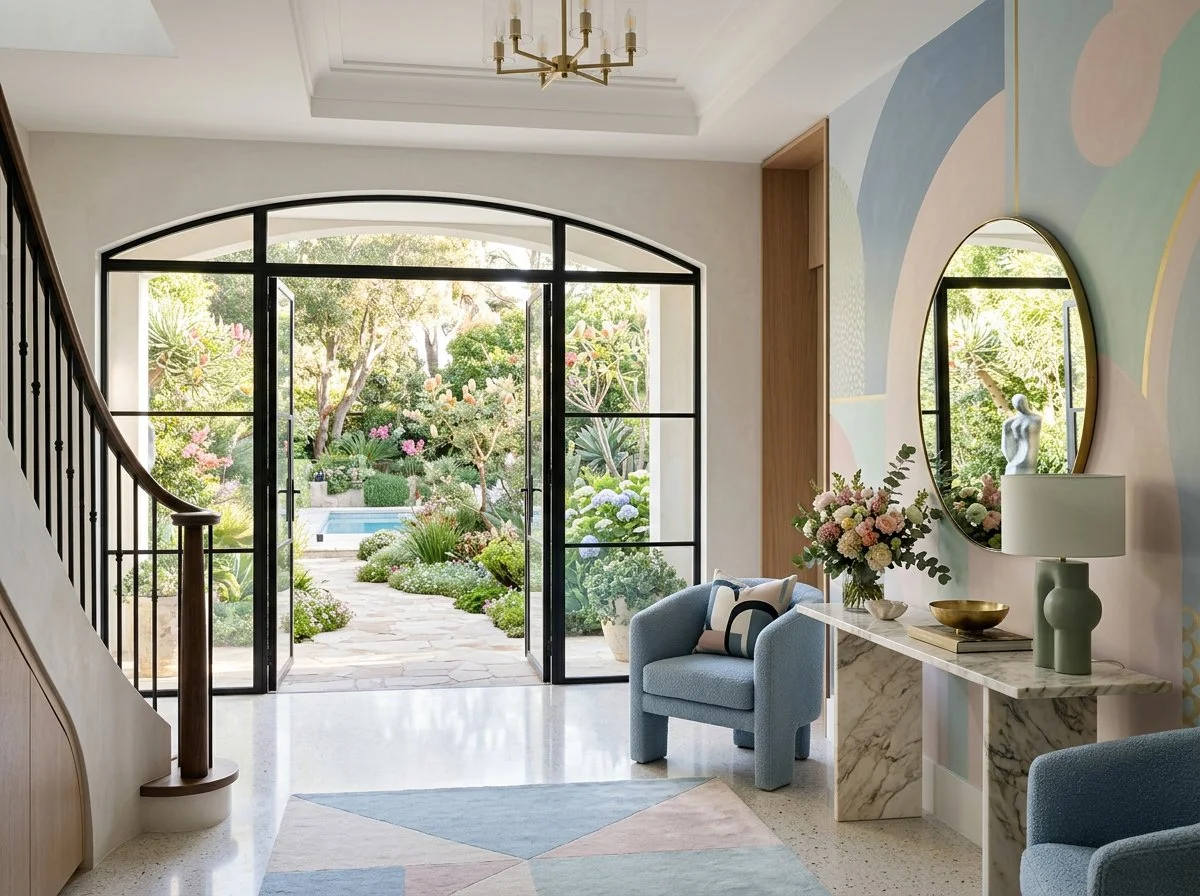
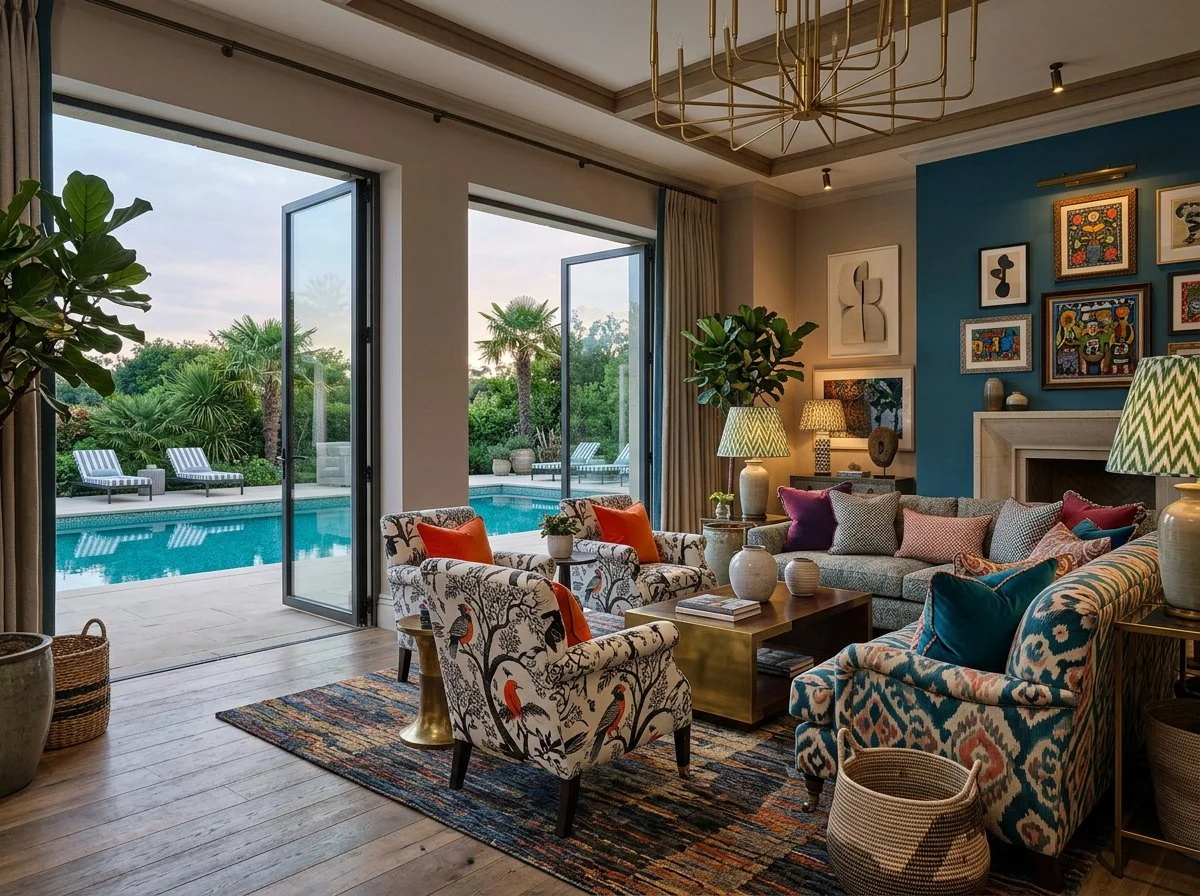
The secret ingredient of homes that feel right is emotional design — spaces layered with memory, mood and meaning rather than just aesthetically correct choices. A room can be technically perfect and completely soulless if every object in it was chosen for how it looks rather than how it feels or what it means to the people living there. Homes that feel right typically have: objects with personal significance, layered lighting that shifts across the day, varied textures that reward physical interaction, and at least one element that surprises — something unexpected that makes the room feel chosen rather than assembled. You cannot buy soul at a homewares store. You build it deliberately.
The secret ingredient of homes that feel right is emotional design – surrounding yourself with objects that carry stories, colours that shift your mood and pieces that hold real personal meaning.
The easy secret ingredient of homes that feel right is emotional design – layering your rooms with memory, mood and meaning so they feel personal, not like a Pinterest showroom.
When you surround yourself with objects that carry stories, colours that shift your mood, and pieces that hold emotional weight, your home starts to feel like you. That old chair from your first home. The ceramic bowl you picked up in Bali. The faded rug that’s moved with you three times. These things aren’t just decor—they’re emotional landmarks.
But here's the catch: mainstream design advice rarely talks about emotion. Pinterest-perfect rooms are designed to impress the algorithm, not the heart. And it shows. They’re often full of things people think they should like—trending colours, safe layouts, matchy-matchy everything. But all the life gets drained out in the process.
Emotionless perfection is the fastest way to create a home that looks good and feels bad.
To design a space that feels right, you have to stop chasing what looks impressive and start tuning into what feels true. Choose art that moves you. Use colour to tell a story. Let your weird, sentimental, and unexpected objects live out loud.
Because the homes that really hit you in the heart? They're never the most “perfect.” They're the most personal.
Does it carry a memory, mood, or meaning?
If the answer’s “meh,” it might be time to rethink it—or replace it with something that speaks to you. Your home should be a gallery of you, not just a collection of stuff.


Storytelling Through Interiors — Make Your Home Speak
A home without a story is just a showroom. You can have all the right pieces—designer sofa, curated shelfies, statement lighting—and still feel like you’re living in someone else’s Pinterest board.
What gives a home life is narrative. Not the kind you read, but the kind you feel the moment you walk through the door. That subtle but powerful sense of, “Oh, I get who lives here.”
Every item in your space has a voice. The question is, does it say something worth hearing?
At the heart of a soulful interior is intention. When you choose pieces that mean something, your home stops being a backdrop and starts becoming a story in motion. Whether it’s a vintage mirror from your nan’s house, a chipped mug from a local artist, or a print that makes you laugh every time—it all matters.
Here’s a simple rule:
✔ If it makes you happy, keep it.
✔ If it’s useful, love it.
✔ If it tells a story, display it.
If it does none of the above? Let it go.
Your home is a living, breathing reflection of who you are—and who you’re becoming. So let it evolve like any good story: full of twists, sentiment, and just enough unpredictability to make it unforgettable. That’s the easy secret ingredient of homes that feel right!


Quick Exercise: Let Your Home Speak
Pick one object in your home that means something to you.
Ask yourself:
Why do I love this?
What memory is attached?
Now, imagine your entire home filled ONLY with things that evoke that kind of feeling. That’s the sweet spot. Curate with meaning, not just aesthetics.


Here's what nobody in the homewares industry wants you to know: you cannot buy soul at a furniture store.
You can buy beautiful. You can buy expensive. You can buy "on trend for 2026." But that ineffable feeling of walking into a room and exhaling — that sense of oh, this is mine — that doesn't come in a flat-pack box or a perfectly curated online cart. It comes from intention. From choosing things that mean something to you rather than things that photograph well for people who don't live there. From designing spaces around how you actually feel in them, not how they'll look at arm's length on a screen.
Your home should feel like the most honest room in your life. The one place where nobody else's opinion gets a vote.
Start there. Build from that. The rest is just furniture.
Design with meaning. Live without apology.
Love, Penelope xx Interior Architect and Interior Designer - Author of ‘Colour Without Apology’ download now for FREE below
What’s Next?
If you’re ready to design a home that feels like you, not a display home, join the me for regular emotional design prompts and no‑beige pep talks.
FAQ: Emotional Design and Homes That Feel Right
-
The secret ingredient of homes that feel right is emotional design – layering your space with memory, mood and meaning so it feels personal, not like a display home.
-
Start by editing out anything that feels “meh” and display objects that carry real stories, like travel finds, heirlooms or art you genuinely love, not just what’s trending.
Curate with meaning over matching, so your rooms tell your story instead of copying a Pinterest board. -
Emotional design in interiors is the practice of choosing colours, objects and layouts that intentionally shape how you feel in a space, not just how it looks in photos.
It treats your home as a living story about who you are and who you’re becoming, rather than a collection of generic decor. -
Perfectly styled homes can feel cold when they chase trends and “safe” choices instead of including personal, sentimental and slightly imperfect pieces.
Emotionless perfection drains the life out of a space, creating rooms that look good on Instagram but feel bad to live in. -
Choose one meaningful object in your home and give it pride of place, then build a vignette or small area around it that reflects the memory or mood it holds.
Repeat this with a few more pieces you love and remove accessories that don’t carry a story, and your home will start to feel more soulful and intentional. -
You don’t need all new furniture; you need better editing and styling around the pieces you already own and love.
Rearranging, telling their story through art and objects, and introducing colour that matches your emotional vibe can transform the feel of your home without a full refurnish. -
A styled home focuses on matching, trends and visual perfection, while a soulful home focuses on intention, story and how each room makes you feel.
Soulful homes are rarely “perfect” but they feel grounded, lived‑in and unmistakably personal. -
The No‑Vanilla Design Manifesto helps you break up with beige, safe decisions and copy‑paste trends so you can design a home with a strong emotional heartbeat.
It gives you a framework for choosing colour, pieces and styling details that reflect your personality and values, not just what’s popular.