
5 Signs Your Home Needs a Redesign
Adelaide, if your home is trying to tell you something, it's probably not "add more beige”.
What are the signs your home needs a redesign?
Five signs reliably show up: an awkward room nobody uses properly, storage that never actually solves the clutter, furniture and finishes that don't relate to each other, decision paralysis over colour or layout choices, and a budget spent on the wrong things in the wrong order. None of these are fixed by going safer or more neutral — they're fixed by a plan. A designer diagnoses which of the five is actually at play in your home, then resolves it with layout, storage strategy, or a considered material palette, rather than a fresh coat of beige paint papering over the real problem.
Your home has been trying to tell you something for a while now. Not in a haunted-house way — in a "this room has never once worked properly" way. And the instinct, when a space feels off, is almost always the same: strip it back, go neutral, add a jute rug, hope it settles down. It won't. Because "safe" was never the problem you needed solved.
Here are the five signs that show up again and again in Adelaide homes — and what's actually fixing them (hint: it's not another tin of Dulux Natural White).
Sign 1: You Have a Room Nobody Actually Uses
AKA the "WTF Do I Do With This Room?" Conundrum
You know the one. The L-shaped living zone that feels like a bowling alley. The "bonus" room quietly hosting a treadmill and good intentions. The dining room that only sees action when the laundry needs folding. These rooms aren't badly built — they're misread. Nobody's ever actually zoned them for what they could do.
The fix: This is a layout and flow problem, not a decorating one. Reimagining traffic paths, furniture zoning, and the room's actual job transforms a dead space without moving a single wall. That awkward corner becomes the reading nook you fight over — not through magic, through a floor plan someone actually thought about.
Sign 2: You Keep Buying Storage and Nothing Changes
AKA Clutterpocalypse and the Myth of "More Bins"
You have stuff. Everyone does. But when the stuff starts staging a hostile takeover of every surface, more clear bins isn't the answer — it's just better-organised chaos. Your home starts feeling like a self-storage unit you accidentally live in.
The fix: Storage without an editing strategy just relocates mess, it doesn't remove it. The real fix is ruthless editing first (yes, the chipped mug collection can go), then integrated, considered storage that belongs in the room — built-ins that read as design, not afterthought.
Sign 3: Nothing In the Room Relates to Anything Else
AKA the Frankenstein's Monster Mashup
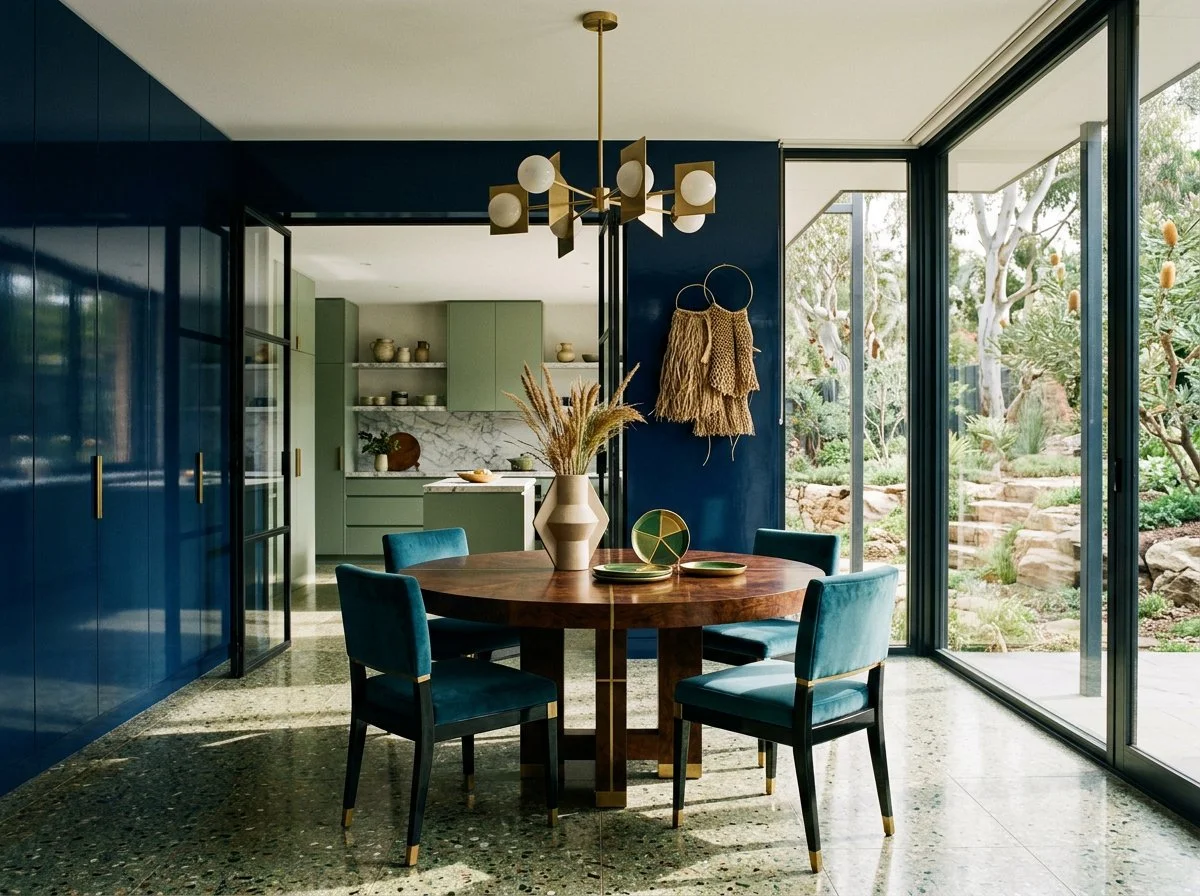
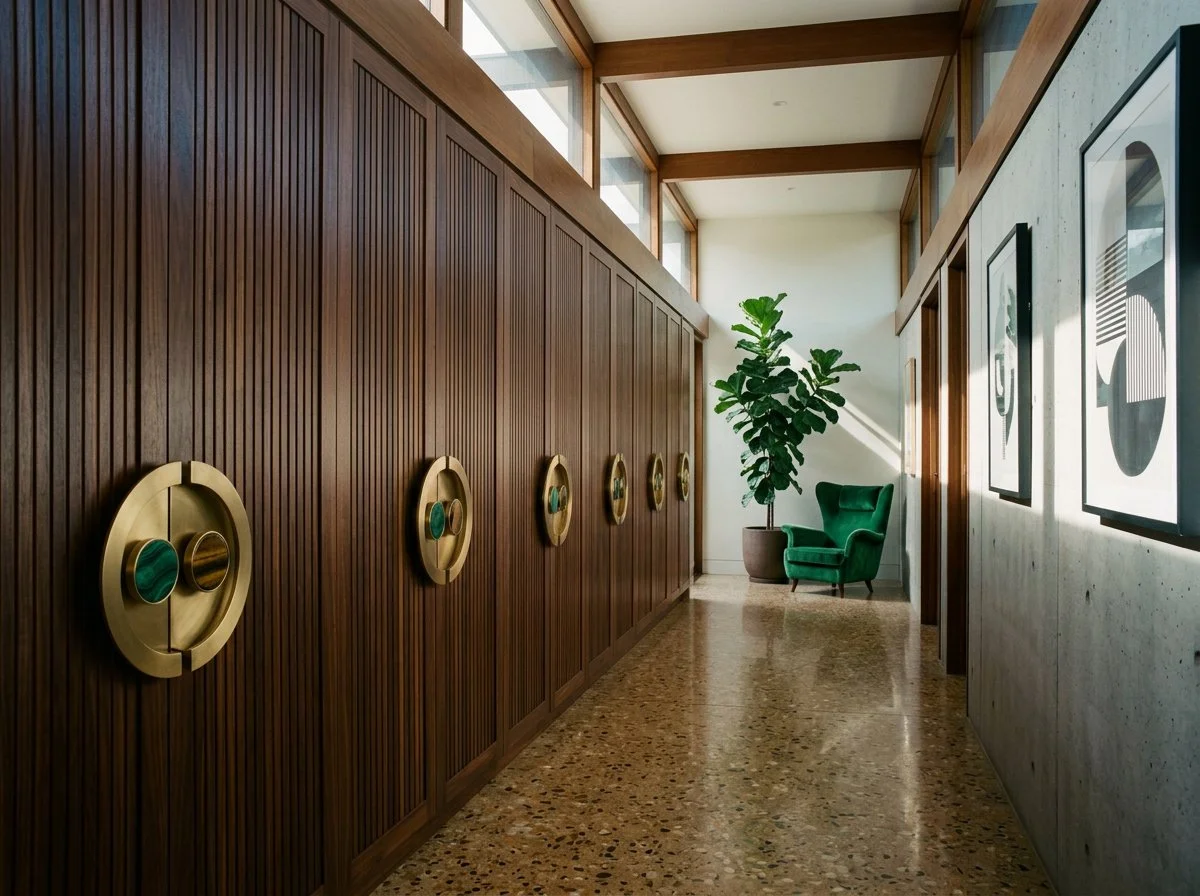
Grandma's antique cabinet. Your partner's industrial-chic bookshelf. The neon pink pouf you impulse-bought. Individually, all fine. Together, a design identity crisis with no common thread and no story — just things that happened to end up in the same room.
The fix: One unifying thread — a colour, a texture, a material — pulled through every piece, on purpose. That's the difference between harmony and homogeneity. Grandma's heirloom and the neon pouf can absolutely coexist; they just need someone directing the conversation between them.
Sign 4: You Can't Make a Single Decision
AKA Paralysis by Pinterest
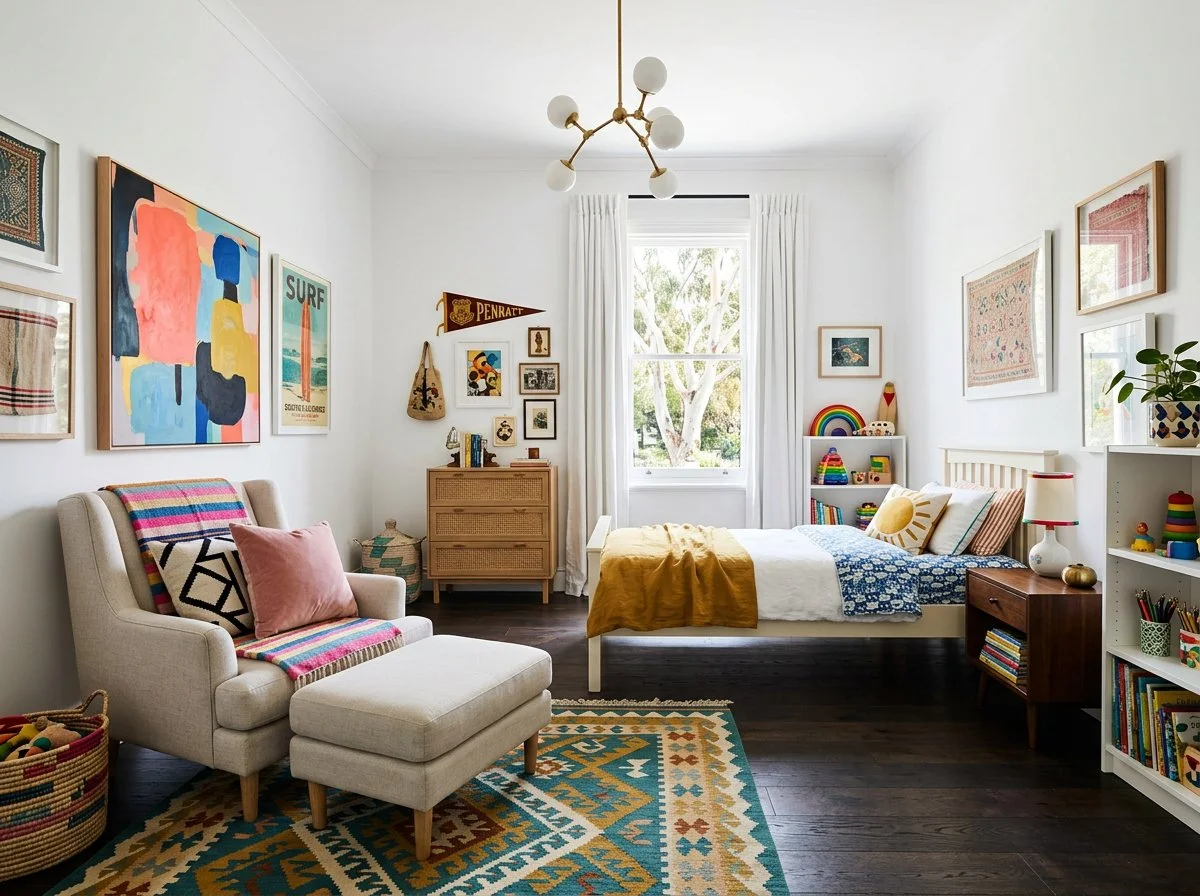
Thirty-seven boards. A camera roll full of inspiration. A brain too full of options to choose any of them. What if the paint's wrong? What if the sofa looks terrible in person? The fear of an expensive mistake keeps everything stuck on neutral — which is really just another word for boring.
The fix: A designer's real job here is narrowing infinite choice down to the right choices for the room, the light, and the budget in front of them — samples, mood boards, 3D renders, so you can see the decision before you commit to it. Confidence, not more options, is what actually breaks the paralysis.
Sign 5: You're Spending in the Wrong Order
AKA the Champagne Taste, Beer Budget Blues
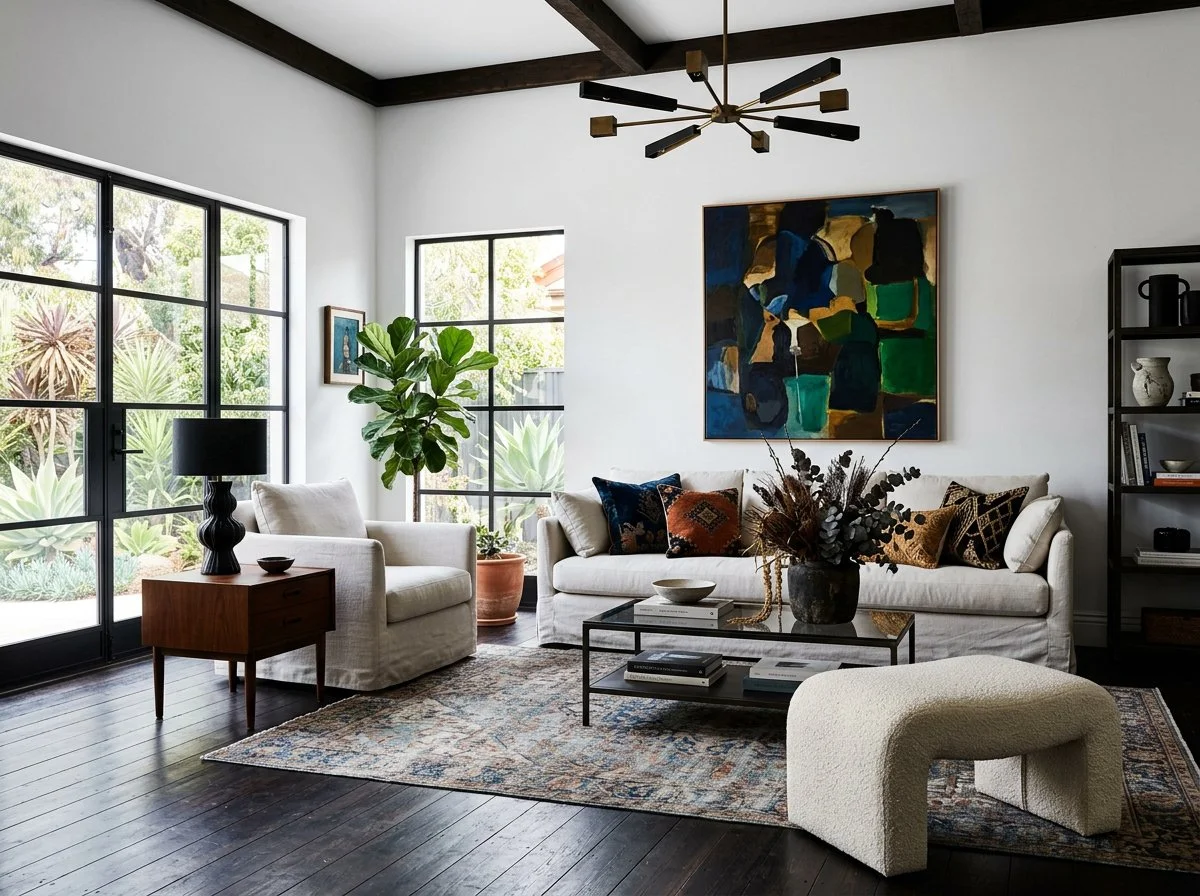
Either the wish list outpaces the bank balance, or the budget's there and you're too nervous to spend it well — settling for "good enough" instead of "genuinely good." Most people end up with a room full of small compromises rather than a few confident decisions.
The fix: Knowing where to invest for impact — a statement sofa, considered lighting — and where a savvy save is genuinely fine (a vintage find, a high-street hero piece) is a skill, not a guess. Trade access and experience stretch a budget further than shopping alone ever will.
Stop Diagnosing, Start Designing
None of these five signs get fixed by going safer. An interior designer isn't there to impose taste — they're there to diagnose which of these is actually running your home into the ground, and resolve it properly. Layout, storage, cohesion, decision-making, budget sequencing: name the real problem, and the beige stops being tempting.
IN CASE YOU SCROLLED TOO FAST
A room nobody uses is a layout and flow problem — not a decorating one
More storage without an editing strategy just relocates clutter, it doesn't remove it
Mismatched furniture needs one unifying thread, not a full replace
Decision paralysis is solved by narrowing choices, not adding more of them
Budget problems are about sequencing — what to splurge on, what to save on — not the total spent
None of the five are fixed by going more neutral
Stop Whining, Start Designing (With a Little Help)!
Look, your home is your stage, your sanctuary, your command center. It deserves to be a reflection of your badassery, not a monument to your indecision.
An interior designer isn't some mystical creature who swoops in and imposes their will. We're collaborators, problem-solvers, and your personal guide to unlocking a home that doesn't just look good but feels incredible.
So, ditch the beige. Ditch the fear. Ditch the "shoulds". It's time to tell your home's story, loud and proud. Ready to make some noise?
Good design isn’t luck. It’s decisions—made early and made well.
If you’re planning a renovation or interior project, this is where it all clicks.
In your 2-hour Design Power Session, we’ll:
Refine your layout for function and flow
Review plans, selections, and ideas
Give you clear, expert direction moving forward
Available in Adelaide or via Zoom.
$480 + GST — often the difference between a good outcome and a great one.
No obligation. Just a smarter starting point.
👉 Secure your session and move forward with confidence